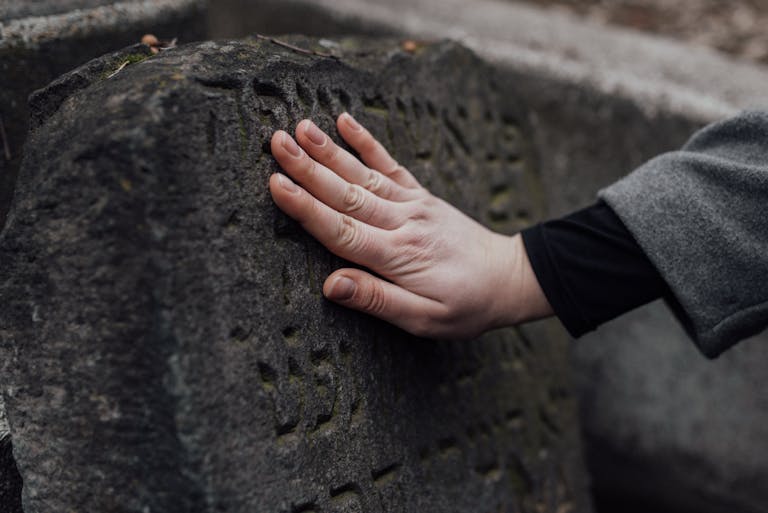
Is a ‘Jesus Revolution’ Unfolding in Iran? What the Evidence Really Shows
Behind Iran’s public image as the center of a powerful Islamic republic, a quieter religious story may be unfolding inside apartments, private homes and carefully guarded conversations. Reports circulating across social media describe growing numbers of Iranians turning away from state-enforced Islam and exploring Christianity through house churches, satellite broadcasts and small gatherings.
The phrase “Jesus Revolution” is dramatic, and the evidence does not prove that exactly one million Muslims have converted. Yet several findings suggest that Iran is experiencing a profound religious realignment involving secularization, disillusionment with official religion and a Christian community numbering in the hundreds of thousands.
A survey that challenged Iran’s official religious picture
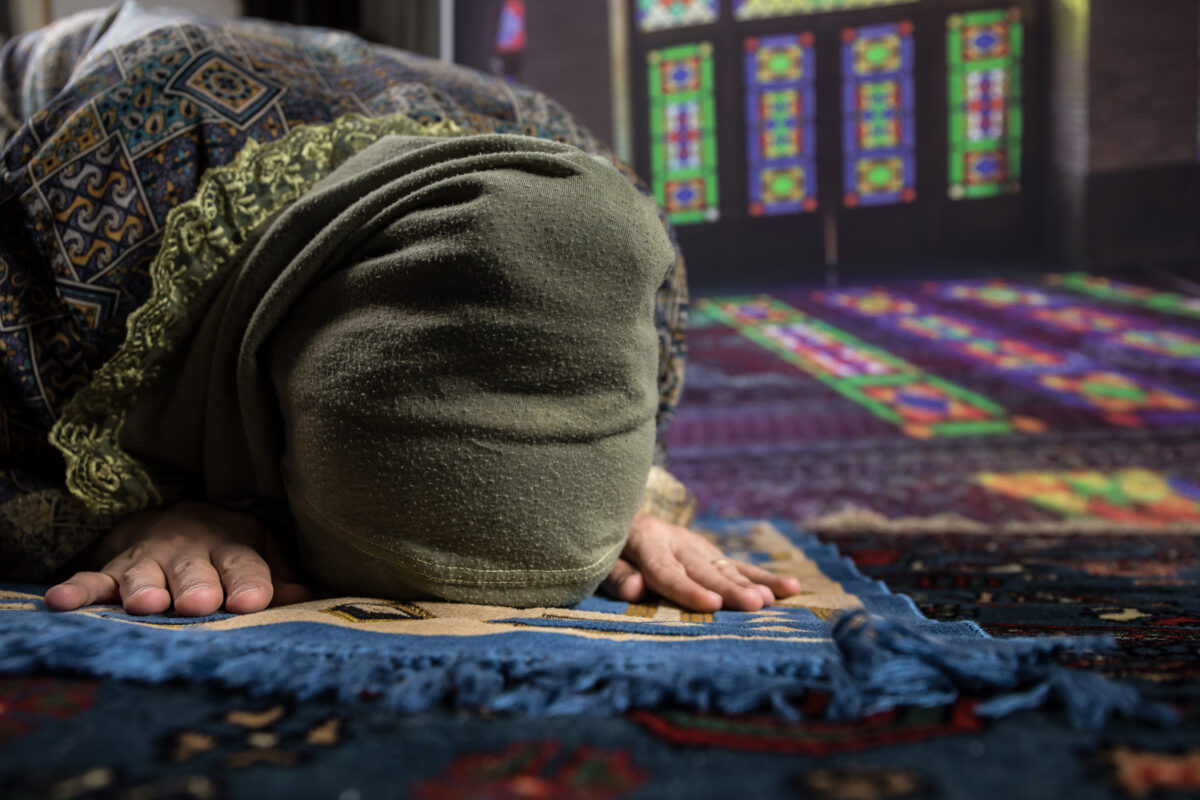
One of the strongest pieces of evidence comes from a 2020 survey by the Group for Analyzing and Measuring Attitudes in Iran, known as GAMAAN. More than 50,000 people participated, with roughly 90% living inside Iran. Researchers based the final findings on 39,981 Iranian residents and weighted the results to represent literate adults over age 19.
The survey found that 1.5% identified as Christian. It also produced a broader result that was even more striking: only 32.2% identified as Shiite Muslim, while 22.2% selected “none,” 8.8% identified as atheist, and 7.7% as Zoroastrian. Nearly half said they had moved from being religious to nonreligious during their lifetime.
Because the study represented about 47 million literate Iranian adults rather than the entire population, the Christian percentage cannot simply be multiplied by Iran’s national population. Researchers and religious-freedom advocates later estimated that the result pointed to roughly 750,000 to 950,000 Christians. GAMAAN researcher Pooyan Tamimi Arab offered a cautious baseline, explaining that 1.5% of the survey’s target population equaled approximately 700,000 people.
That is why the viral declaration that “one million Muslims in Iran converted to Christianity” should be presented as an estimate, not a verified count. Underground churches do not maintain public membership lists, and believers have strong reasons to hide their identities. The survey also did not establish that every Christian respondent came from a Muslim background. Other widely shared conversion claims involving Iran have similarly proven difficult to verify.
The mosque claim is real, but the explanation is complicated
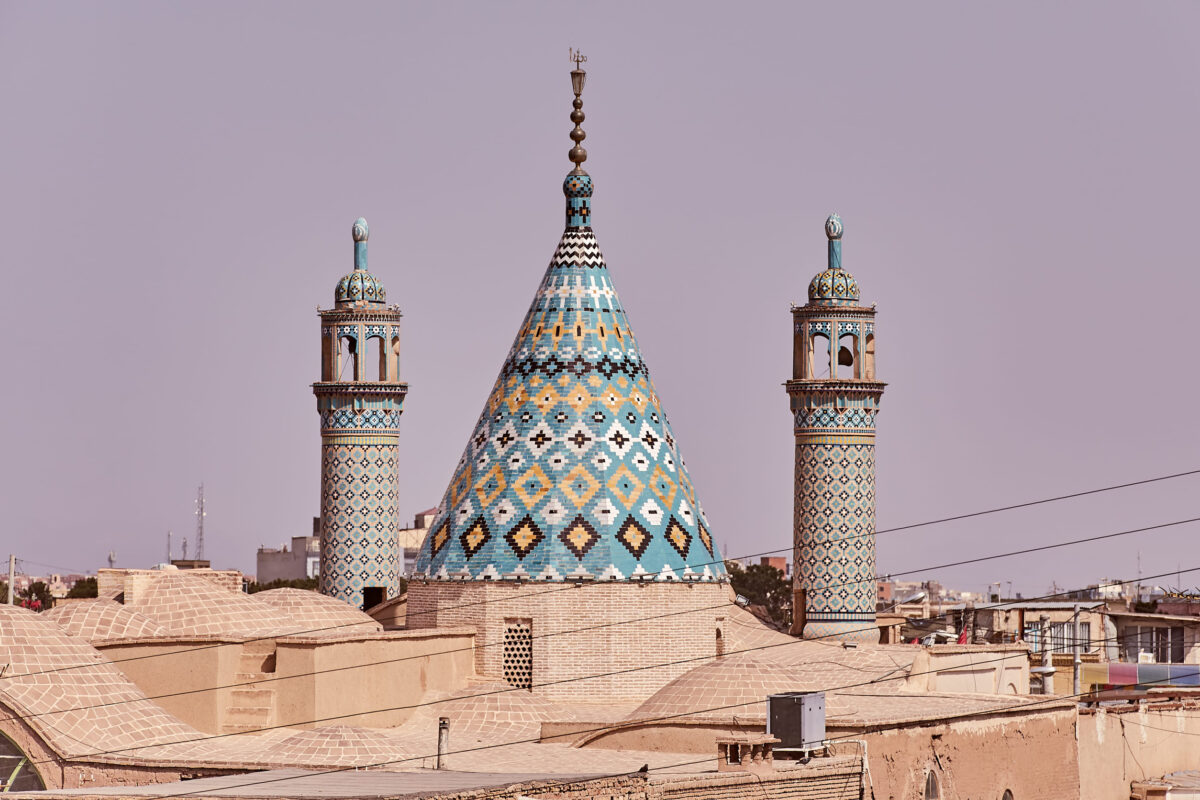
Another viral claim holds that 50,000 of Iran’s 75,000 mosques have closed. That figure came from senior cleric Mohammad Abolghassem Doulabi, who reportedly described tens of thousands of mosques as closed or inactive and warned about religion’s weakening place in Iranian society.
Doulabi linked religious disengagement to the way people experienced government rule carried out in Islam’s name. He pointed to poverty, humiliation and the distortion of religious teachings as factors that could push people away. His remarks attracted attention because they came from within Iran’s clerical establishment, rather than from an overseas missionary organization.
Still, the figure needs context. Reviews of the statement noted that some mosques were inactive because they lacked full-time imams, stable funding, proper heating and cooling systems, staff housing, or effective local management. Inactivity therefore cannot be treated as proof that every surrounding community abandoned Islam.
Even with that caution, the wider pattern is difficult to dismiss. GAMAAN found that almost 60% of respondents did not perform prescribed prayers, 68% wanted religious rules excluded from legislation and 72% opposed compulsory hijab. Those numbers point to more than a simple change in religious labels. They suggest a deep loss of confidence in religion controlled and enforced by the state.
Faith practiced behind closed doors
For Iranian converts, embracing Christianity can bring serious consequences. Iran formally recognizes historic Armenian and Assyrian Christian communities, but converts from Muslim backgrounds face a different reality. Many cannot worship in recognized churches and therefore meet in private homes, where ordinary prayer gatherings may be treated as threats to national security.
The U.S. Commission on International Religious Freedom has documented prosecutions of Christian converts connected to house churches, Bibles and Persian-language Christian materials. Its 2025 Iran update cited lengthy prison sentences against converts and charges involving “propaganda” against the state or activities considered contrary to Islamic law.
Christian advocacy groups documented an even sharper crackdown during 2025. A joint report involving Open Doors and Article18 recorded at least 254 Christian arrests, while Christians received combined prison sentences exceeding 280 years. The groups’ documented cases, court charges and sentencing details show that the danger facing converts is not theoretical.
Satellite television and digital ministry have become important because physical churches remain inaccessible to many converts. Christian broadcasters say Persian-language programs deliver Bible teaching, worship services and private follow-up directly into Iranian homes. These ministry accounts cannot independently prove national conversion totals, but they help explain how isolated seekers can encounter Christian teaching without entering a public church.
Conclusion
Iran may indeed be witnessing a spiritual upheaval, but the most responsible description is more complex than a viral slogan. The evidence supports the existence of a large Christian convert community, widespread disappointment with compulsory religion and a substantial decline in traditional religious participation.
What cannot be confirmed is an exact one-million-convert milestone. The true number remains hidden by fear, secrecy and the difficulty of surveying a closed society. Yet behind locked doors and drawn curtains, Iranians continue gathering to pray, read Scripture and worship despite surveillance, arrests and prison sentences.
Whether history ultimately calls it a “Jesus Revolution” or a broader revolt against state-enforced faith, something significant is clearly changing beneath the surface of the Islamic Republic.