10 Dishes From 1960s Women’s Magazines That Look Wild Today
In the 1960s, women’s magazines were the Pinterest and Instagram of their day. Millions of homemakers read Good Housekeeping, McCall’s, Better Homes and Gardens and Family Circle for recipes, party ideas and the latest kitchen trends. Food companies filled the pages with glossy photos of dishes made with their products, and many of those recipes made it onto real dinner tables.
Looking back now, some of those dishes are hard to believe. Gelatin was everywhere, hot dogs were dressed up as fancy roasts, and fruit and meat appeared together in ways that shock younger cooks. Yet many boomers grew up eating these meals, and some still love them. Here are ten dishes from 1960s women’s magazines that look wild today.
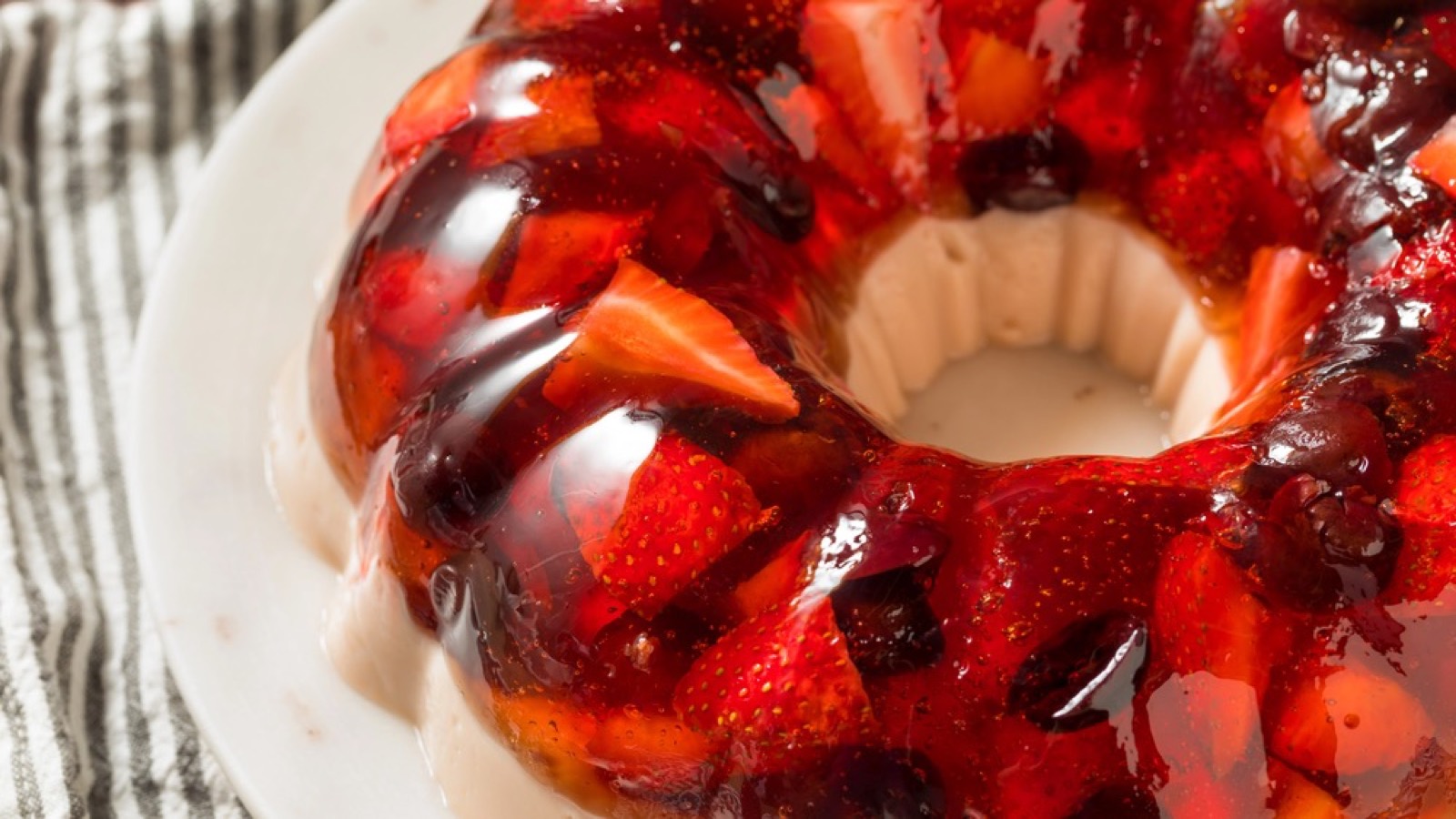
1. Lime Gelatin Salad With Cottage Cheese
Few dishes say “1960s” quite like a molded lime gelatin salad. Recipes often combined lime Jell-O with cottage cheese, crushed pineapple, chopped celery and sometimes mayonnaise or nuts, all set in a ring mold. It was served on a bed of lettuce and called a salad.
Jell-O ran advertisements and published recipe booklets encouraging homemakers to use gelatin in creative ways, and gelatin salads became a fixture at luncheons and church suppers. Younger people tend to find the combination baffling, but in some Midwestern families it still shows up at holidays.
2. Tomato Aspic
Tomato aspic was a savory gelatin made with tomato juice, seasonings and sometimes chopped vegetables or shrimp. It was molded into a ring and served cold, often as a first course at ladies’ luncheons and dinner parties. Magazines presented it as an elegant dish for entertaining.
Today, the idea of a wobbly, cold tomato mold surprises most people. It still has fans in parts of the South, where it’s served at holidays and bridal showers. But to many younger eyes, it looks more like a science experiment than a salad.
3. Frankfurter Crown Roast
One of the wildest ideas from mid-century food pages was the hot dog crown roast. Frankfurters were stood on end and tied into a circle to look like an elegant crown roast of pork or lamb, and the center was filled with sauerkraut, potato salad or baked beans.
It was a fun, budget-friendly way to make a cheap meat look fancy. Families on a tight budget could serve something that looked like a special occasion dinner. Today, photos of it often go viral as an example of how strange vintage food could be.
4. Candle Salad
The candle salad was a playful dish often made for children and parties. A pineapple ring served as the base, half a banana stood upright in the center as the “candle,” and a cherry on top acted as the flame. Sometimes a drizzle of mayonnaise dripped down the side like melting wax.
Recipes like this appeared in magazines and cookbooks for decades. Kids loved it at the time, but modern viewers often find the presentation odd. It’s a reminder of how much fun homemakers had with food presentation, even if the results look strange now.
5. Molded Tuna or Salmon Mousse
Fish molds were popular party food. Canned tuna or salmon was mixed with gelatin, mayonnaise, celery and onion, then poured into a fish-shaped mold. Once set, it was unmolded and decorated with olive slices for eyes and cucumber for scales.
Hostesses thought it was elegant and clever. Today, a cold, jiggly fish shaped like a fish is a hard sell for most guests. Still, the idea of a creamy fish spread isn’t far from the dips and spreads people serve at parties now.
6. Ham and Banana Rolls With Cheese Sauce
Some recipes paired ham and bananas in ways that seem unthinkable now. One version wrapped banana halves in ham slices, baked them and covered them with a cheese sauce. It was promoted as a quick and interesting supper.
Sweet and savory combinations like this were part of a broader trend of experimenting with new ingredients. To younger cooks, it seems like a dare. To some boomers, it’s a strange but fond memory of their mother trying something new from a magazine.
7. Spam With Pineapple Glaze
Canned luncheon meat was promoted as a quick, affordable main dish. Magazines and ads showed whole loaves of Spam studded with cloves, topped with pineapple rings and baked with a brown sugar glaze, looking like a miniature holiday ham.
It was a clever trick for families who couldn’t afford a real ham every week. Many boomers remember eating it and enjoying it. Younger diners are usually more amused than tempted, though Spam itself has found new fans in Hawaiian and Korean cooking.
8. Liver Loaf
Liver was cheap and widely available in the 1960s, and magazines suggested many ways to serve it. One was liver loaf, made with ground liver, bacon, onions and bread crumbs, baked like a meatloaf. It was served hot for dinner or sliced cold for sandwiches.
Many boomers have strong memories of being made to eat liver as children, and liver loaf was a common way mothers tried to make it more appealing. Today, most families rarely serve liver at all, and liver loaf is almost unheard of.
9. Chicken à la King in Toast Cups
Chicken à la king, a creamy mix of chicken, mushrooms and peppers, was a dinner-party favorite. Magazines suggested serving it in toast cups made by pressing bread into muffin tins and baking until crisp, or in puff pastry shells.
The dish itself isn’t that strange, but the presentation and the heavy cream sauce feel very much of their time. It’s the kind of meal boomers associate with wedding showers, luncheons and the fancy restaurants of their childhood.
10. Sardine and Egg Canapés
Party pages loved fancy little canapés, and many of them used ingredients modern guests rarely see. Sardines mashed with egg and mayonnaise, anchovy spreads, deviled ham pinwheels and cream cheese with chipped beef were all common appetizers.
To hostesses of the era, these bite-size treats were sophisticated. To younger guests, they can seem old-fashioned or simply unappetizing. But some, like deviled eggs and cheese balls, have stayed popular for generations.
Why These Dishes Seemed Normal at the Time
Many of these recipes reflect the food world of the 1960s. Canned and packaged foods were new and exciting, and companies wanted homemakers to use their products in as many ways as possible. Gelatin and canned meat were affordable, and refrigerators made molded dishes easy to prepare.
Magazines also encouraged creativity. Homemakers were expected to entertain, and an eye-catching dish could impress guests. Many of these meals came from the same era that gave us 1960s kitchen gadgets we’ve mostly forgotten.
Do Any of Them Deserve a Comeback?
Some of these dishes have enjoyed small revivals, often as ironic party food or nostalgic holiday sides. Gelatin salads still appear at family gatherings, and cheese balls and deviled eggs have never really gone away.
Others, like liver loaf and hot dog crown roasts, are likely to stay in the past. But they’re a fun window into how American families ate and entertained. For boomers, flipping through an old magazine can bring back memories of their mother’s kitchen, her party dishes and the recipes she clipped and saved.