12 Shower Mistakes That Are Secretly Ruining Your Skin
Your shower may feel like the cleanest part of your day, but it can also be where your skin starts to lose moisture, comfort, and glow. The problem is not always your lotion, your weather, or your genetics. Sometimes, the real trouble begins with hot water, harsh soap, rough towels, and tiny habits that seem harmless until your skin starts feeling tight, itchy, bumpy, or dull.
The good news is that better skin does not always demand a fancy routine. We can protect the skin barrier by changing the way we shower, the order we use products, and how quickly we moisturize afterward.
These common shower mistakes may be silently making your skin look and feel worse.
Using Strong Soap Everywhere

Not every part of the body needs the same amount of cleanser every day. The underarms, groin, feet, and sweaty areas need proper washing, but drier areas like the shins and arms may not need heavy soap each time. Strong soaps can make already dry skin feel even rougher.
A gentle body cleanser is usually a better choice for daily use. We should look for something that leaves the skin comfortable after rinsing, not squeaky, tight, or irritated. Clean skin should feel fresh and balanced, not like it has been scrubbed into surrender.
Using Water That’s Too Hot
A steaming hot shower feels like comfort in liquid form, especially after a stressful day. The trouble is that very hot water can pull natural oils from the skin, leaving it dry, itchy, and more fragile than before. When the skin loses too much moisture, it may feel tight after drying, even if it felt soft under the water.
We do better with warm water that cleans without shocking the skin. The goal is not to freeze through the shower, but to avoid heat that leaves the skin red or overly flushed. If the bathroom mirror looks like a fog machine attacked it, the water is probably too hot for daily skin health.
Staying In The Shower Too Long
After a long day, stepping into a beautiful bathroom and taking long showers feel peaceful, but skin does not always enjoy the extra minutes. The more time we spend under running water, the greater the risk of weakening the skin’s natural moisture balance. This becomes especially noticeable on the legs, arms, hands, and feet, where dryness often shows up first.
A shorter shower can still leave the body clean, fresh, and comfortable. We should treat the shower like a smart routine, not a long soak disguised as skincare. When we wash efficiently and step out before the skin starts feeling stripped, the body has a better chance of staying soft and calm.
Using A Dull Razor
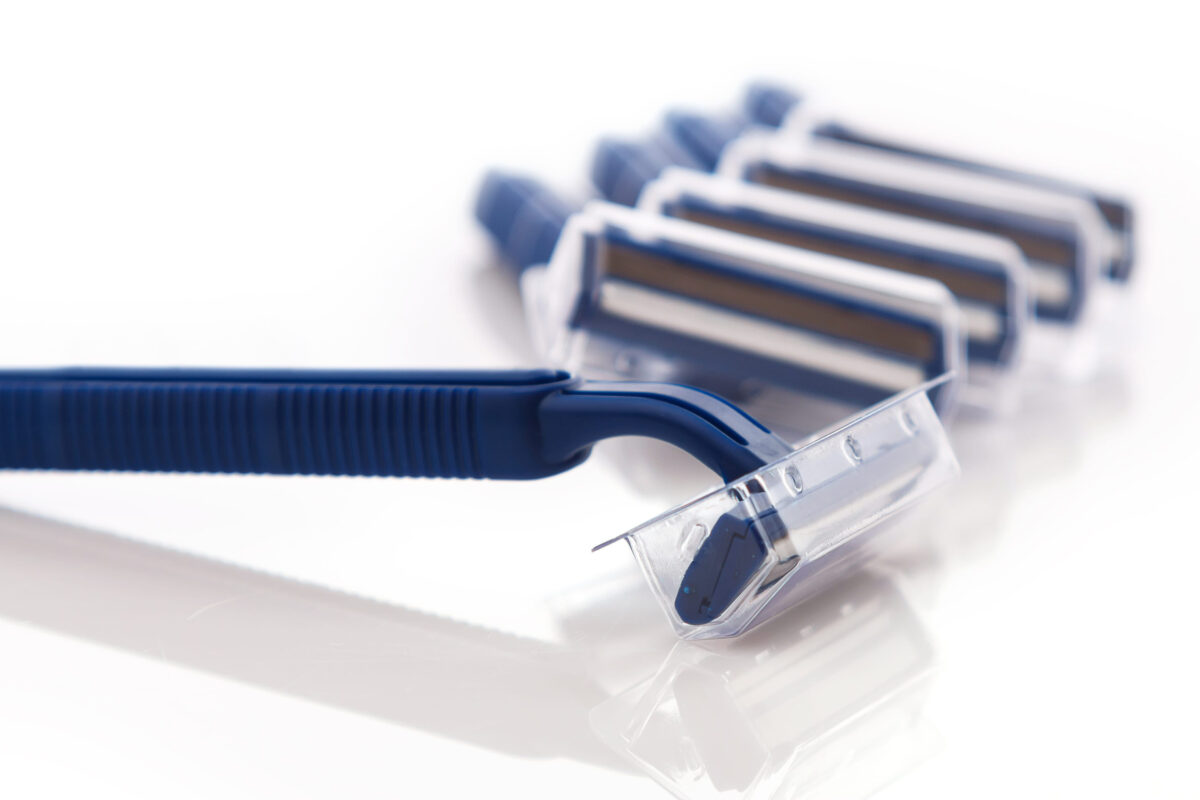
A dull razor is one of the fastest ways to upset the skin. Instead of cutting cleanly, it drags across the surface, forcing us to go over the same area again. Repeated friction can lead to bumps, stinging, ingrown hairs, and rough patches.
We should replace razor blades before they start pulling at the hair. It also helps to rinse the razor properly and store it somewhere dry, rather than leaving it in a wet shower corner. A clean, sharp razor is not just about a closer shave. It is about protecting the skin from unnecessary irritation.
Washing Your Body Before Rinsing Conditioner
Conditioner may make the hair silky, but it can leave a slippery film on the skin. When that residue runs down the neck, chest, shoulders, and back, it may sit on the skin after the shower ends. That can be a problem for anyone who struggles with body bumps or breakouts.
The better order is simple. Shampoo first, condition second, rinse the hair fully, then wash the body last. This helps clear away leftover hair product before we towel off. The back, chest, and shoulders deserve extra attention because those areas often collect conditioner without us noticing.
Scrubbing Like Your Skin Is A Dirty Dish
Rough scrubbing can feel satisfying because it gives the illusion of a deeper clean. The problem is that the skin is not built for punishment. Hard scrubbing with rough cloths, brushes, or gritty exfoliators can irritate the skin barrier, worsening dryness, redness, and bumps.
Gentle pressure is enough for most daily showers. We can use clean hands or a soft washcloth and let the cleanser do the work. Smooth skin comes from steady care, not from scraping away every layer until the body feels raw.
Using The Same Old Loofah
A loofah may look innocent hanging in the shower, but damp spaces can turn it into a hiding place for old skin cells and unwanted buildup. When it stays wet between uses, it may become less clean than we imagine. That is the opposite of what we want from a shower tool.
If we use a loofah, we should rinse it well, squeeze out water, and store it somewhere it can dry fully. It also needs regular replacement. For sensitive or breakout-prone skin, a clean washcloth may be a smarter option because it can be washed and dried more easily.
Shaving Too Early
Shaving at the start of the shower may seem efficient, but it can make the razor work harder. Hair softens after a few minutes in warm water, which helps the blade glide more smoothly. When we shave too soon, the razor may tug, scrape, or leave the skin irritated.
The better move is to shave closer to the end of the shower. By then, the hair has softened, and the skin is better prepared. A shaving cream, gel, or creamy cleanser can also help reduce friction, which means fewer nicks, less razor burn, and a smoother finish.
Forgetting Your Back Needs Real Attention

The back is easy to ignore because we do not see it in the mirror every morning. Yet it collects sweat, conditioner, styling products, sunscreen, and fabric friction throughout the day. That buildup can make the skin feel rough, clogged, or breakout-prone.
We should wash the back after rinsing hair products, not before. A gentle body wash and proper rinsing can make a real difference. If reaching the back is difficult, a clean soft cloth or a rinsed shower tool can help, as long as it dries properly afterward.
Rubbing Your Skin Dry Too Roughly
The towel step can undo a good shower routine. When we rub the skin aggressively, we add friction at the exact moment the skin is soft and more vulnerable. This can make dry skin feel itchier and sensitive areas feel more irritated.
Patting the skin dry is a much better habit. We do not need to remove every trace of water before applying moisturizer. Leaving the skin slightly damp helps body cream or lotion seal in hydration, giving the skin a softer and more comfortable finish.
Waiting Too Long To Moisturize
Moisturizer works best when the skin is still slightly damp after showering. If we wait too long, water evaporates from the surface, and the skin can quickly feel tight again. That is why some people feel soft in the shower but dry ten minutes later.
We should apply body lotion, cream, or oil within a few minutes after stepping out. Dry areas like elbows, knees, heels, and hands may need a richer product. This small timing change can make an ordinary moisturizer feel much more effective.
Using Fragranced Products On Irritated Skin

A beautiful scent can make a shower feel luxurious, but fragrance can be tricky for sensitive skin. Scented body washes, scrubs, shaving creams, and lotions may leave some people itchy, red, or uncomfortable. The reaction may not always occur immediately, making the cause harder to spot.
When skin feels dry, bumpy, or prone to irritation, fragrance-free products are often the safer choice. A cleanser does not need to smell like a perfume counter to work well. Calm skin is the real luxury, and sometimes the simplest products give the best results.