8 Most Dangerous Foods You Should Never Eat Without Caution
Eating is supposed to be a pleasure, but some foods hide deadly risks that can ruin a meal and your health. From naturally toxic fruits to exotic seafood, these foods have caused serious illnesses and even deaths. Knowing which foods are hazardous lets you stay adventurous in the kitchen while keeping yourself safe.
Fugu: Japan’s Deadly Pufferfish
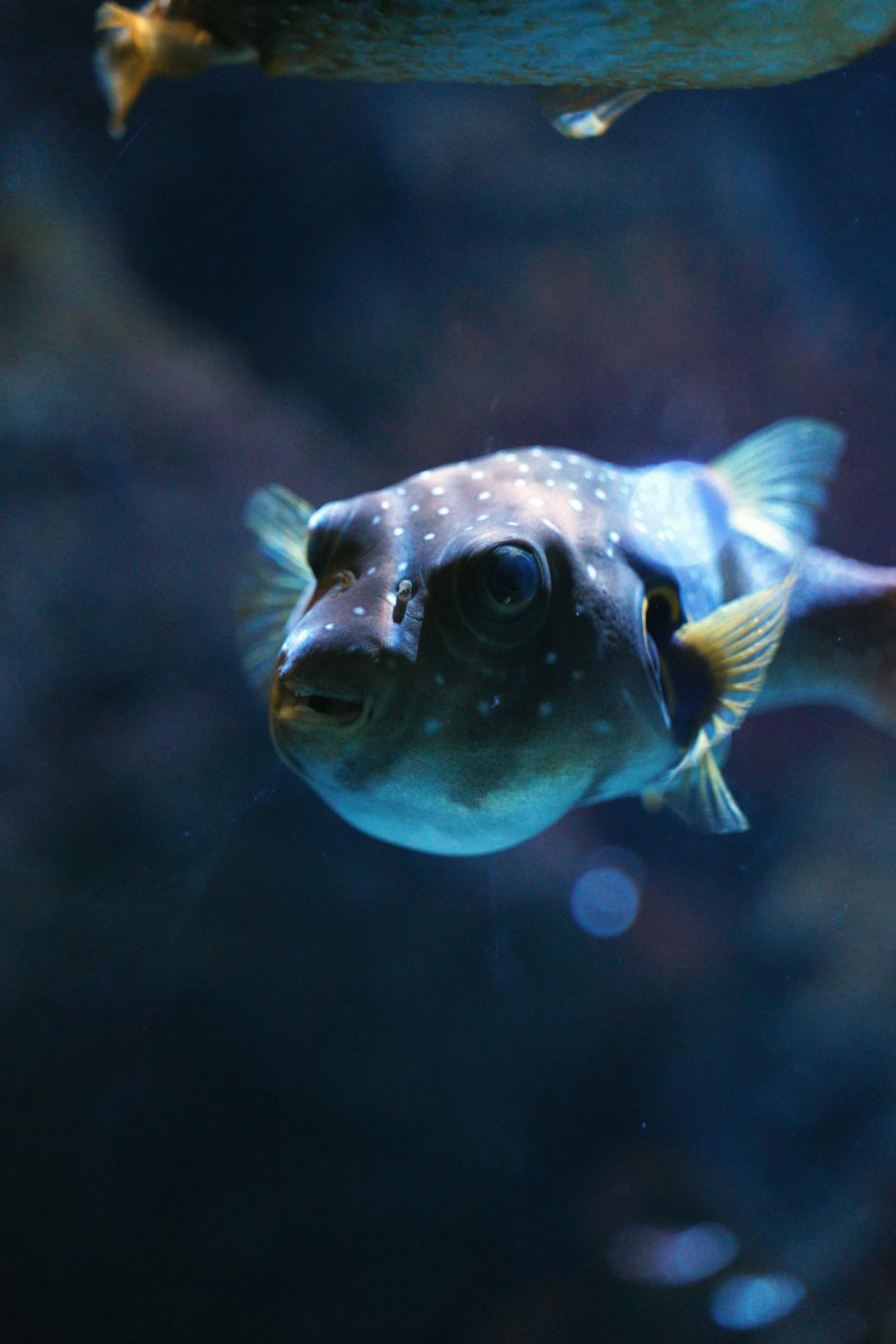
Fugu, the famous pufferfish, is considered a luxury in Japan, but it’s one wrong cut away from disaster. Its organs, especially the liver, contain tetrodotoxin, a neurotoxin far stronger than cyanide. Improper preparation can lead to paralysis or death within hours.
Even trained chefs with years of licensing experience are at risk of mistakes. Eating fugu in unregulated restaurants or attempting it at home drastically increases the danger. The thrill of this delicacy comes with a deadly price tag that diners must respect.
Ackee: The Jamaican Poison Fruit
Ackee is a staple in Jamaican cuisine, but unripe fruit is deadly. Hypoglycin A in the unripe pods can cause severe vomiting, hypoglycemia, and Jamaican vomiting sickness. Only fully ripened fruit, naturally opened on the tree, is safe to eat.
Cooking does not fully remove the toxin, so eating prematurely harvested ackee is a serious mistake. Hospitalizations occur every year in people who are unaware of their hidden dangers. Traditional preparation rules are critical to prevent life-threatening reactions.
Cassava: The Cyanide Root
Cassava is eaten worldwide, but improper preparation can release deadly cyanide. The root contains cyanogenic glycosides, which convert to hydrogen cyanide if not soaked, peeled, and cooked properly. Chronic consumption of poorly processed cassava can cause paralysis and acute poisoning.
Fermentation, soaking, and boiling reduce its toxicity, but mistakes can still happen, especially in home kitchens. Awareness of safe methods is crucial to enjoying this nutritious root without putting yourself in danger.
Raw Cashews: Poison in the Shell
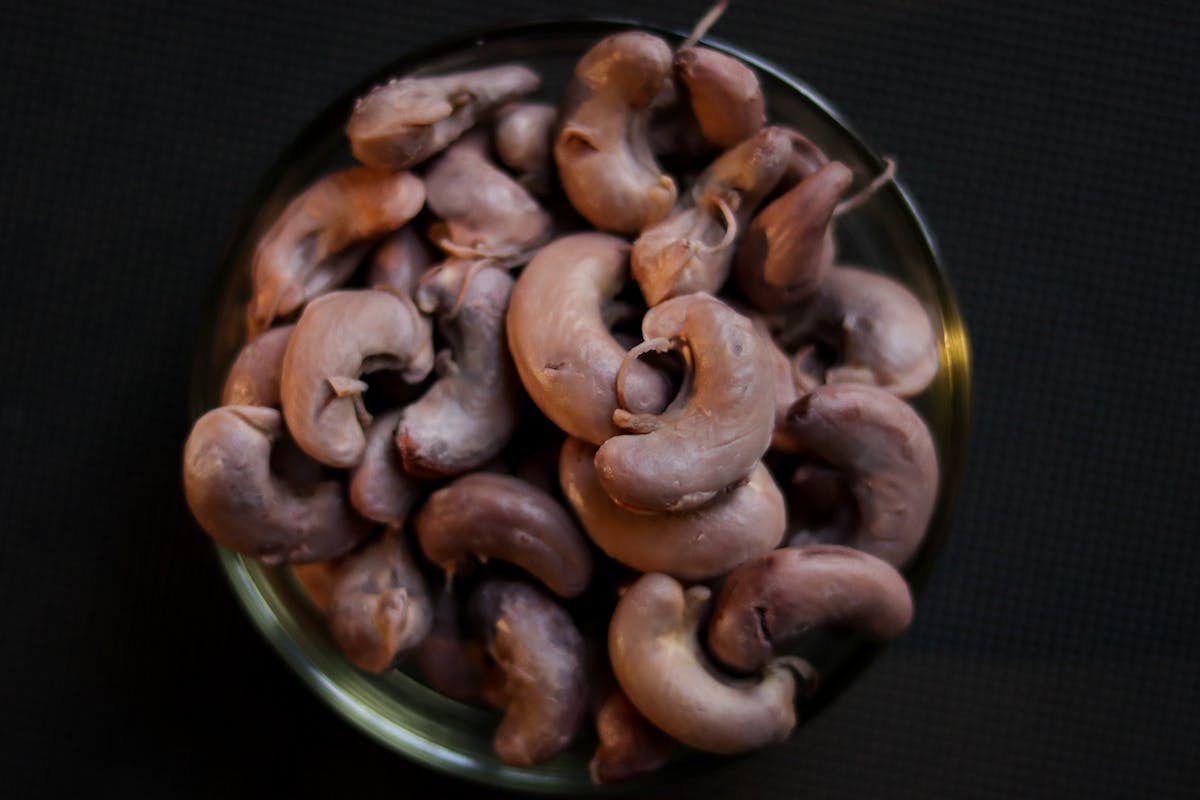
Cashews straight from the shell are toxic because of urushiol, the same irritant in poison ivy. Handling or eating unprocessed cashews can cause skin irritation, gastrointestinal distress, or allergic reactions. Commercial “raw” cashews are always steamed or roasted to remove the toxin.
Home-harvested nuts are the real hazard, as even trace amounts of urushiol can trigger severe reactions. Knowing how to handle and cook cashews safely is essential for anyone who wants to enjoy this popular snack.
Sannakji: Live Octopus Danger
Sannakji, a Korean dish of live octopus, is notorious for choking hazards. The suction cups on the tentacles can attach to the throat, blocking airways. Cutting the octopus into pieces doesn’t stop the movement, making every bite potentially lethal.
Even experienced diners risk suffocation, especially children or those unfamiliar with the dish. Eating slowly and carefully is crucial, but the danger remains ever-present.
Rhubarb Leaves: Toxic Foliage
Rhubarb stalks are delicious, but the leaves are extremely poisonous. They contain oxalic acid and anthraquinone glycosides, which can lead to kidney failure or death. Only the stalks are edible, and leaves must be discarded immediately.
Symptoms such as nausea, vomiting, and breathing difficulty can appear quickly if leaves are eaten. Home cooks must learn the difference between stalks and leaves to prevent accidental poisoning.
Raw Kidney Beans: Lectin Threat
Raw kidney beans carry phytohaemagglutinin, a lectin that can cause severe nausea, vomiting, and diarrhea. Even a handful of undercooked beans can trigger poisoning. Boiling beans for at least 10 minutes at high heat neutralizes the toxin.
Slow cooking or insufficient heating fails to destroy lectins, making preparation methods critical. These common beans show that even familiar foods can harbor hidden dangers if not treated correctly.
Stonefish: Venomous Seafood

The stonefish is one of the most venomous fish in the world. Its spines contain potent venom that can cause excruciating pain, cardiovascular collapse, and death. Careless handling in seafood markets or kitchens can be extremely hazardous.
Only skilled chefs fillet stonefish safely, removing all spines and venom sacs. This extreme caution highlights the risks associated with exotic seafood.
Conclusion
Some foods are as dangerous as they are delicious. Eating them safely means understanding the risks of toxins, following preparation guidelines, and respecting expert guidance. Are you willing to take the risk for a taste of danger?