10 Almost No-Calorie Foods That Can Still Leave You Hungry
Low-calorie foods can look like the perfect shortcut when we want to eat more without feeling guilty. They are crisp, watery, colorful, and easy to pile onto a plate, which makes them feel like a smart win for weight control. The problem is that many almost no-calorie foods can trick the stomach for a short while, then leave hunger knocking again much sooner than expected.
That does not make these foods bad. It simply means they work best as meal builders, not meal replacements. When we use them with protein, fiber-rich carbs, and a little healthy fat, they can turn ordinary meals into fuller, fresher, lighter plates. When we eat them alone, they can feel satisfying for ten minutes and disappointing by the next hour.
Cucumber Looks Filling But Fades Fast
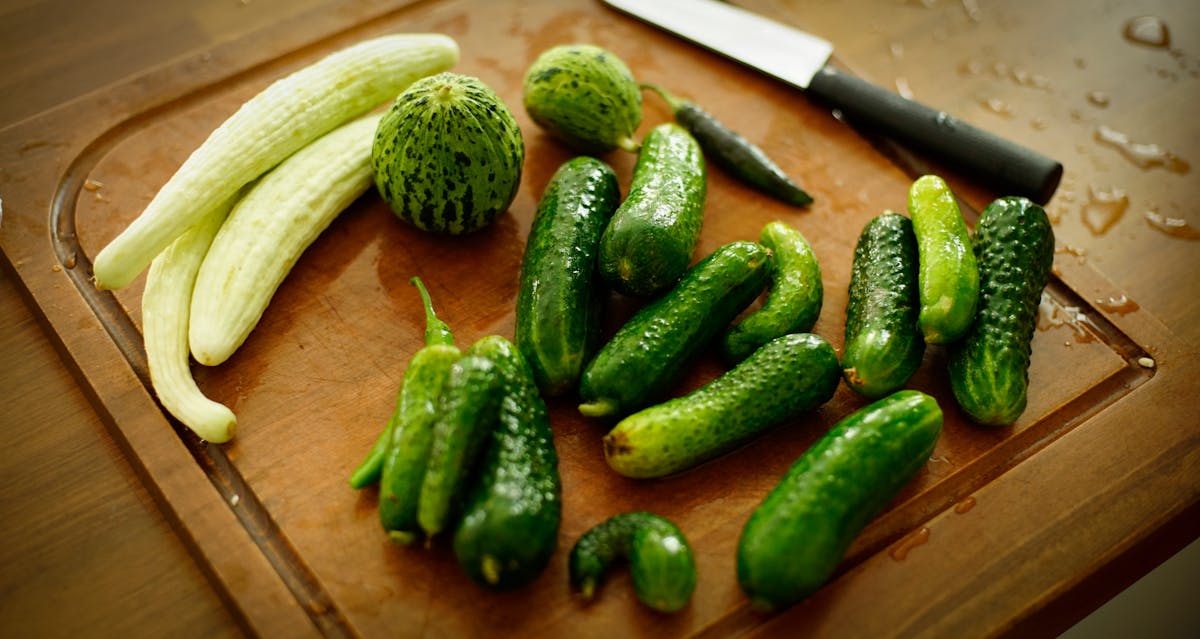
Cucumber is fresh, cool, and incredibly easy to eat in large amounts. Its crisp texture makes salads, sandwiches, wraps, and snack plates feel cleaner and more refreshing. A bowl of cucumber slices with lemon, vinegar, herbs, or black pepper can feel like a smart snack when we want something light.
The catch is that a cucumber is mostly water, so it does not offer much lasting fullness on its own. It can make the stomach feel busy for a moment, but it rarely lasts for hours. To make the cucumber more versatile, pair it with tuna, eggs, cottage cheese, hummus, Greek yogurt dip, chicken, or beans.
Celery Gives Crunch Without Real Staying Power
Celery has the kind of crunch that makes people feel like they are eating something serious. It works in salads, soups, lunch boxes, and snack trays because it adds texture without adding many calories. It’s clean, and a watery bite can also help when we want to snack out of boredom rather than true hunger.
The problem is that celery often feels more satisfying in the mouth than it does in the body. Plain celery can leave us hungry again because it lacks sufficient protein, fat, or dense fiber. It makes a better snack when used as a carrier for hummus, tuna salad, chicken salad, cottage cheese, or a thin spread of peanut butter.
Iceberg Lettuce Can Make A Plate Look Bigger Than It Is
Iceberg lettuce is famous for adding volume without adding much weight to a meal. Its crisp leaves make burgers, tacos, wraps, and salads feel fresher and bigger. For anyone cutting back on bread, fried sides, or heavy toppings, iceberg lettuce can be a helpful swap.
Still, a giant pile of lettuce is not the same thing as a complete meal. It may look impressive, but it can feel empty if there is no real source of fullness underneath. We should build around it with grilled chicken, boiled eggs, turkey, fish, beans, lentils, tofu, or avocado, in controlled portions.
Zucchini Can Replace Carbs, But Not Always Satisfy
Zucchini is one of the most popular low-calorie swaps because it can be turned into noodles, ribbons, boats, or soft, roasted slices. It absorbs garlic, tomato sauce, lemon, herbs, and spices well, which makes it easy to use in pasta bowls, casseroles, omelets, and stir-fries. It gives meals a larger size without making them feel heavy.
The downside is that zucchini cannot always replace the comfort of rice, pasta, or potatoes. A full plate of zucchini noodles may look generous, but the body may still ask for something more filling. A smarter move is to mix zucchini with a smaller portion of regular pasta, brown rice, potatoes, beans, or whole grains so the meal stays light but still satisfying.
Mushrooms Taste Meaty But Need Backup
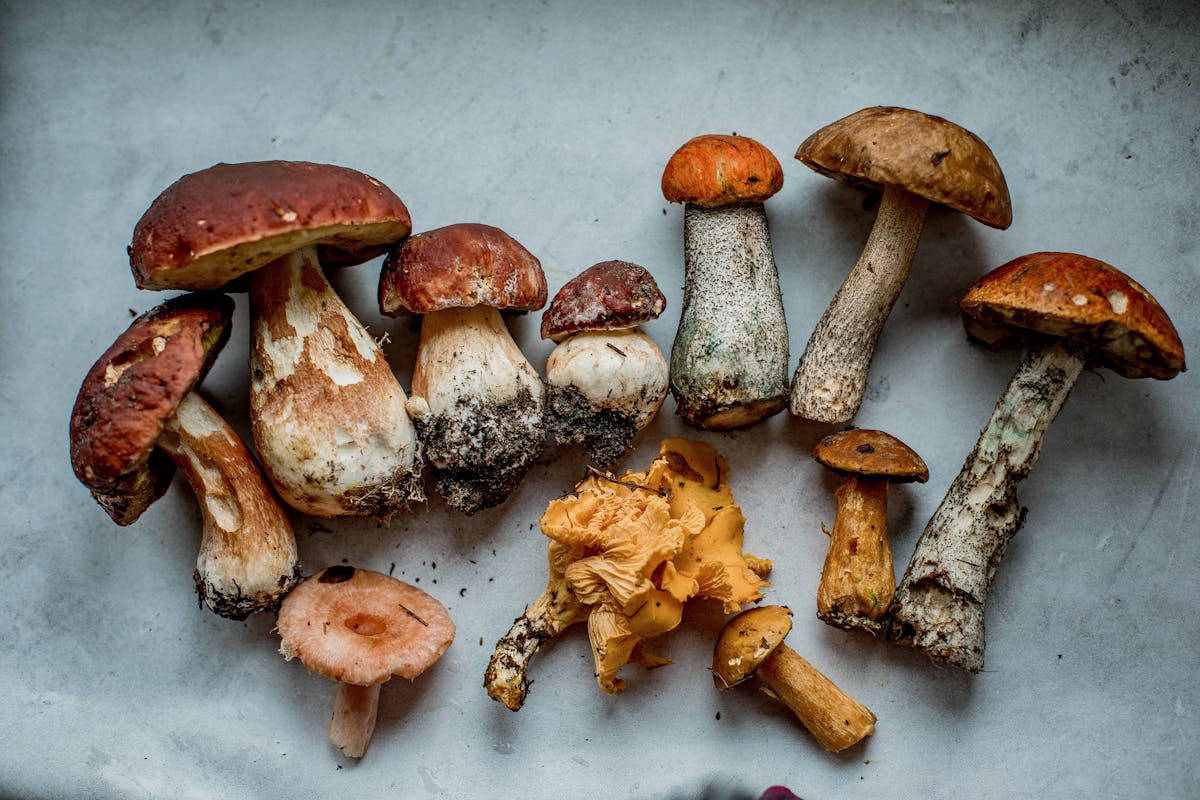
Mushrooms bring rich, savory flavor with very few calories, which makes them one of the best low-calorie foods for comfort meals. They can deepen the taste of soups, omelets, stir-fries, sauces, and roasted vegetable plates. When cooked well, they feel hearty without needing heavy cream, butter, or cheese.
Even with their meaty flavor, mushrooms should not be treated as a full meal on their own. They work better as a volume booster than a main source of energy. We can mix them with eggs, chicken, turkey, tofu, lentils, beans, or fish to create a meal that feels warm, filling, and still controlled.
Cabbage Makes Meals Huge But Not Always Complete
Cabbage is one of the cheapest ways to make a meal look much bigger. It works raw in slaws, cooked into soups, tossed into stir-fries, or added to taco and rice bowls. Its sturdy texture gives more bite than soft greens, making lighter meals feel more substantial.
The problem is that cabbage can create the illusion of fullness without delivering enough balance. A huge bowl of plain cabbage may stretch the stomach, but it may not keep energy steady for long. It works best when paired with protein-rich meals like turkey skillets, chicken stir-fries, tofu bowls, lentil soups, or bean-based dishes.
Cauliflower Can Pretend To Be Comfort Food
Cauliflower has become famous because it can mimic the texture of rice, mashed potatoes, pizza crust, and even creamy soup. It has a mild flavor, so it takes on garlic, paprika, curry, herbs, tomato sauce, and cheese quite easily. For lighter cooking, it is one of the most useful vegetables in the kitchen.
The danger is expecting cauliflower to fully replace every comfort food without disappointment. Cauliflower rice can help lower calories, but it may not satisfy someone who truly wants rice. Cauliflower mash may taste good, but it may not feel as filling as potatoes. Mixing cauliflower with a smaller portion of the original food usually works better than forcing a full swap.
Tomatoes add flavor, but cannot Carry The Meal.
Tomatoes are juicy, bright, and naturally sweet, making them a powerful low-calorie upgrade for everyday meals. They improve sandwiches, wraps, omelets, soups, salads, and roasted vegetable plates. A good tomato can make a plain meal taste fresher and more alive.
Still, tomatoes are supporting players. They bring moisture, color, and flavor, but they do not bring enough substance to keep most people full for long. We should use tomatoes to improve meals that already include eggs, chicken, tuna, beans, lentils, tofu, cottage cheese, or whole grains.
Spinach Shrinks Before The Meal Even Starts
Spinach looks like a mountain when raw, but it shrinks quickly once cooked. That makes it tricky for anyone counting on it to fill a plate. A huge handful can turn into a tiny serving in the pan, leaving the final meal looking smaller than expected.
Spinach is still valuable because it adds nutrients and freshness with very few calories. It blends easily into eggs, soups, pasta, rice bowls, smoothies, and salads. The best strategy is to use spinach as a booster, then pair it with mushrooms, eggs, chicken, beans, potatoes, tofu, or whole grains for a meal that actually holds up.
Watermelon Feels Like Dessert, But Hunger Comes Back
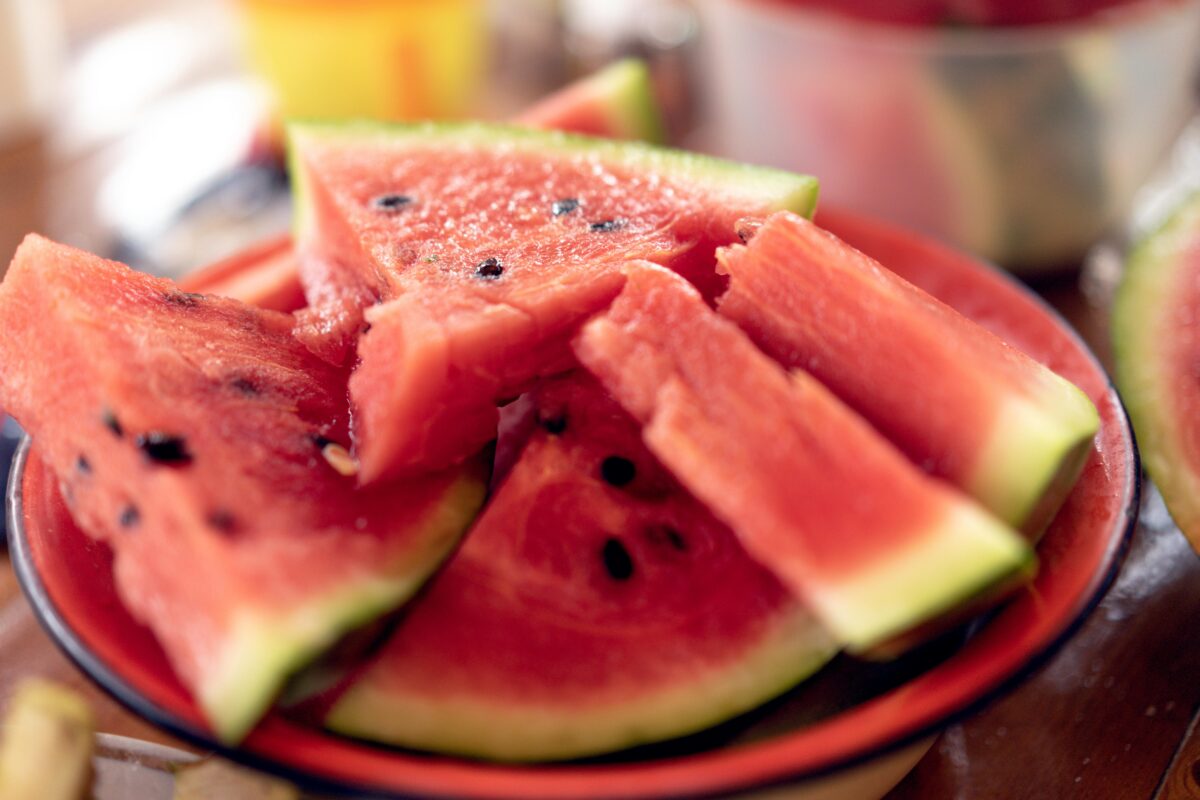
Watermelon is sweet, juicy, and refreshing, which makes it feel like a generous treat. A large bowl can calm a sweet craving without the heaviness of cake, cookies, or ice cream. On hot days, it feels especially satisfying because it gives both flavor and hydration.
The issue is that watermelon is quickly digested by many people. It can feel filling at first, but soon after, we’re looking for another snack. To make it work better, we can pair it with Greek yogurt, cottage cheese, a small amount of nuts, or eat it after a protein-rich meal instead of using it as the whole snack.
Conclusion
Almost no-calorie foods can help us eat lighter, but they can also fool us when we expect too much from them. Cucumber, celery, lettuce, zucchini, mushrooms, cabbage, cauliflower, tomatoes, spinach, and watermelon all bring freshness, crunch, color, and volume. They are useful foods, but they are not enough to replace balanced meals.
The smarter approach is to treat them like plate builders. We can use them to make meals bigger and brighter, then add protein, fiber-rich carbs, and small amounts of healthy fat for real fullness. That is how low-calorie eating becomes satisfying instead of frustrating.