7 Shocking Signs an Outsider Is Steering Your Relationship Choices
Love can survive distance, stress, busy schedules, and even painful disagreements, but it becomes dangerously weak when someone outside the relationship wields more power than the two people in it. The damage often begins quietly. A friend gives one opinion, a parent plants one doubt, a coworker makes one comparison, and before long, private decisions start feeling like public debates.
The most painful part is that outside influence can disguise itself as care. Someone may claim they are only protecting us, guiding us, or helping us see clearly, yet their voice slowly becomes louder than our own judgment. When an outsider begins shaping how we think, choose, forgive, argue, or commit, the relationship can lose its emotional privacy and become vulnerable to manipulation, pressure, and confusion.
A healthy relationship can welcome advice, but it should never be controlled by outside voices. Support is helpful when it brings clarity, balance, and honesty. It becomes dangerous when it creates fear, division, dependency, and emotional distance between partners. These are the painful signs that an outsider may have too much influence over relationship choices.
We cannot make relationship decisions without asking them first.

One of the clearest signs of unhealthy outside influence is when every relationship decision must pass through someone else before it feels valid. We may want to talk to our partner about moving forward, resolving conflict, setting boundaries, or making future plans, but instead of trusting the bond we are building, we run straight to an outsider for approval. Their reaction begins to decide whether we feel peaceful, worried, angry, or doubtful.
This pattern can look harmless at first, especially if the outsider is close to us. It may be a best friend, sibling, parent, mentor, or someone who has supported us through hard seasons. Still, the problem grows when their opinion becomes the final authority. A relationship cannot develop emotional strength when private choices are constantly outsourced to someone who does not live within it.
When we cannot decide whether to forgive, communicate, stay, leave, compromise, or trust without first hearing that outsider’s view, we have given them too much power. Advice should help us think, not replace our thinking. If their approval matters more than our own values, the relationship is no longer being guided by the people inside it.
Their Opinion Changes How We See Our Partner
Outside influence becomes dangerous when someone’s words begin to rewrite the way we view our partner. We may have felt loved, respected, and understood, but after repeated comments from an outsider, we start questioning even the smallest actions. A delayed text becomes suspicious. A tired mood becomes disrespect. A normal disagreement becomes proof that the relationship is doomed.
This is especially harmful because perception shapes emotional reality. If an outsider constantly describes our partner as selfish, weak, controlling, boring, unreliable, or unworthy, those words can slowly take root in our minds. We may begin watching our partner through borrowed suspicion rather than through personal experience. The relationship then becomes filtered through someone else’s fears, biases, jealousy, or unresolved pain.
A trusted person can point out real red flags, and that kind of honesty matters. The warning sign appears when their interpretation becomes stronger than the truth we have personally lived. If we no longer know whether we are reacting to our partner’s behavior or to someone else’s repeated commentary, the outsider has crossed a serious emotional line.
Private Relationship Problems Become Public Conversations

Every relationship has sensitive moments that deserve privacy, patience, and maturity. Arguments, intimacy struggles, financial stress, family tension, and emotional wounds should not become open material for outsiders to analyze, judge, and circulate. When private problems are repeatedly shared with one person outside the relationship, that person may gain emotional control over the story.
The danger is that outsiders often hear only one side. They may receive the angry, hurt, or dramatic version of events without seeing the full picture. Over time, they may build a harsh opinion of the relationship based on emotional snapshots rather than balanced truth. Then, when we calm down and want to repair things, they may still be holding onto the worst version of our partner.
This can trap the relationship in a damaging cycle. We vent during conflict; the outsider becomes protective, encouraging distance or suspicion, which makes reconciliation harder. Privacy does not mean hiding abuse or serious harm. It means understanding that every disagreement does not need an audience, and every emotional bruise does not need to become public evidence against the person we claim to love.
We Feel Guilty Choosing Our Partner Over Their Advice
A strong sign of unhealthy influence is guilt. We may make a choice that feels right for our relationship, but instead of feeling calm, we feel anxious because we know the outsider will disapprove. We may avoid telling them about a decision, soften the truth, or pretend we followed their advice just to escape judgment. That guilt reveals that the outsider has gained emotional leverage.
This often happens when the outsider frames disagreement as betrayal. If we do not follow their advice, they act hurt, offended, disappointed, or insulted. They may say we are being foolish, blinded by love, ungrateful, or controlled by our partner. Their reaction pressures us to choose loyalty to them over honesty with ourselves.
A healthy adviser can accept that we may hear their opinion and still make a different choice. A controlling outsider cannot. They need influence, not just involvement. If loving our partner makes us feel as if we are betraying someone else, the relationship is being pulled into a loyalty conflict that can poison trust and emotional safety.
Our Partner Feels Like They Are Dating the Outsider Too
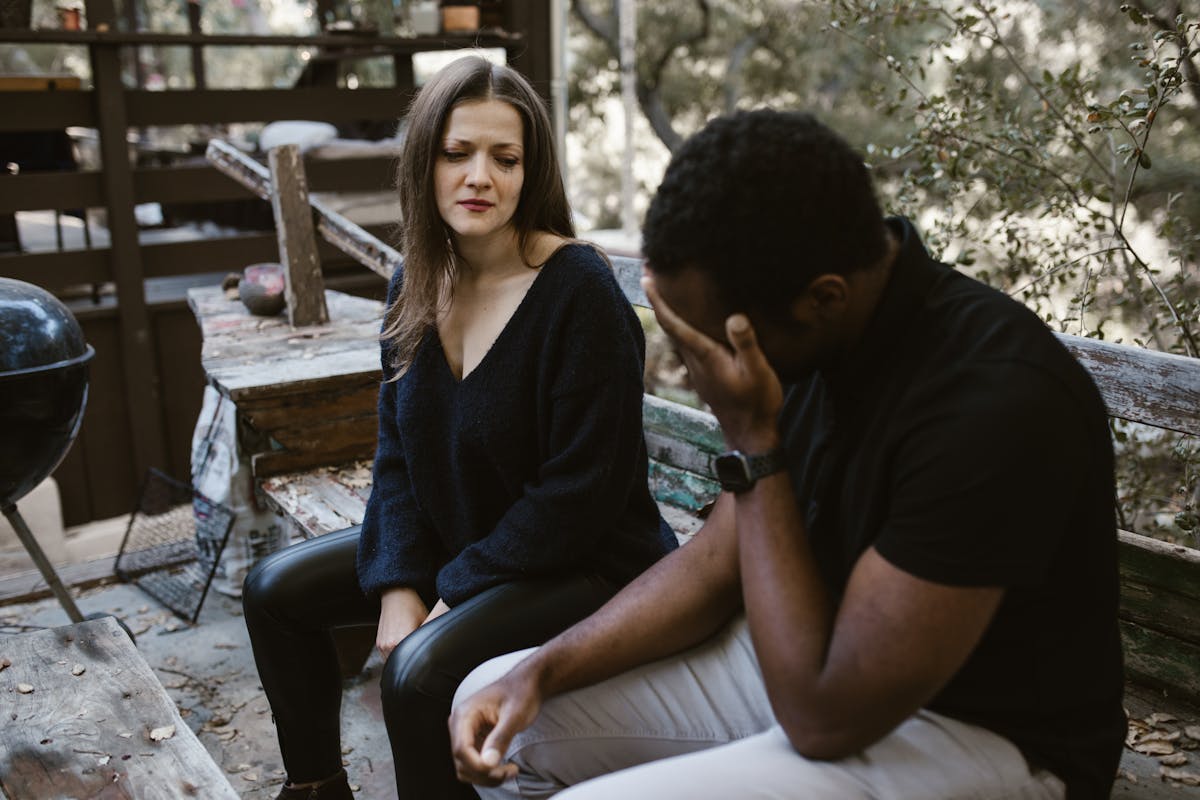
When an outsider wields too much influence, our partner may feel as if every disagreement involves a third party. They may notice that our arguments repeat phrases someone else uses. They may feel judged by someone who is not in the room. They may become cautious, defensive, or emotionally distant because they know private conversations will not stay private.
This can create deep resentment. A partner may start feeling that they are not just trying to love us, but also trying to win approval from our friend, parent, sibling, or confidant. That pressure can make the relationship feel crowded. Instead of two people solving problems together, the relationship starts operating like a committee, with one unseen person holding too much voting power.
This does not mean a partner should isolate us from trusted people. Isolation is dangerous and unhealthy. But there is a major difference between support and interference. If our partner feels constantly evaluated by someone outside the relationship, and if that person’s opinions keep shaping conflict, then the emotional boundaries around the relationship have become too weak.
We Repeat Their Words More Than Our Own Feelings
Another shocking sign is when our language begins to sound borrowed. We may start saying things that outsiders say, using their labels, judgments, fears, and conclusions. Instead of saying what we personally feel, we repeat what they think we should feel. This creates emotional confusion because the relationship is no longer being guided by honest self-awareness.
For example, we may say our partner is holding us back because someone else keeps saying it. We may accuse our partner of manipulation because an outsider suggested it after hearing one argument. We may call a normal compromise a sacrifice because someone else taught us to see it that way. Over time, their voice blends with ours until it becomes hard to separate personal truth from outside influence.
The healthiest relationship choices come from clarity, not emotional imitation. If we cannot explain our concerns without borrowing another person’s language, we may need to step back and listen to ourselves again. Real feelings have roots. Borrowed opinions often sound strong, but they collapse when we are asked to explain them honestly and in depth.
The Outsider Benefits From Keeping Us Doubtful

The most troubling sign is that the outsider seems to gain something from our uncertainty. They may enjoy being needed, being consulted, being the rescuer, or being the person with the greatest influence over our choices. They may not openly say they want control, but their behavior shows they feel important when the relationship is unstable.
This can happen in subtle ways. They may become more available when we are upset, but distant when things are peaceful. They may dismiss every good thing our partner does while magnifying every mistake. They may encourage breakups during temporary conflict, then act satisfied when we pull away from our partner. Their advice may always lead to more dependence on them and less trust in the relationship.
This does not always come from cruelty. Sometimes outsiders act from fear, jealousy, loneliness, past trauma, or a need to protect us too aggressively. Still, the effect can be damaging. A person who truly cares about us should want us to think clearly, make wise choices, and grow stronger. They should not need our relationship to stay uncertain so they can remain emotionally powerful.
Final Thought
An outsider has too much influence over a relationship when their voice becomes louder than our own judgment, their approval becomes more important than our peace, and their opinions begin shaping choices that should belong to the couple. The danger is not advice itself. The danger is control disguised as concern.
A strong relationship does not require silence from the outside world, but it does require emotional boundaries. Friends, relatives, mentors, and loved ones can support us, but they should not become hidden decision-makers. When a third party starts directing our feelings, choices, conflicts, and future, the relationship can become crowded, fragile, and deeply confused.
The healthiest love leaves room for wisdom, but it also protects the privacy and dignity of the bond. When we take back our voice, rebuild direct communication, and place decisions where they belong, the relationship has a better chance of growing from honesty rather than outside pressure.