Riley Gaines Sign Clash Exposes a Troubling Double Standard at Target Center
Americans pay heavily for professional sports, yet many increasingly receive political theater alongside the game. Tickets, parking, food, and merchandise can turn one afternoon into a costly family outing. Therefore, fans reasonably expect clear rules and consistent treatment. Riley Gaines says Target Center delivered neither during Sunday’s Indiana Fever game.
Her small Sophie Cunningham sign reportedly triggered an employee’s order to lower it. Meanwhile, other political messages remained visible around the arena. That contrast transformed a basic sign dispute into something uglier. It raised an uncomfortable question about who receives permission to speak.
A harmless poster suddenly becomes unacceptable.
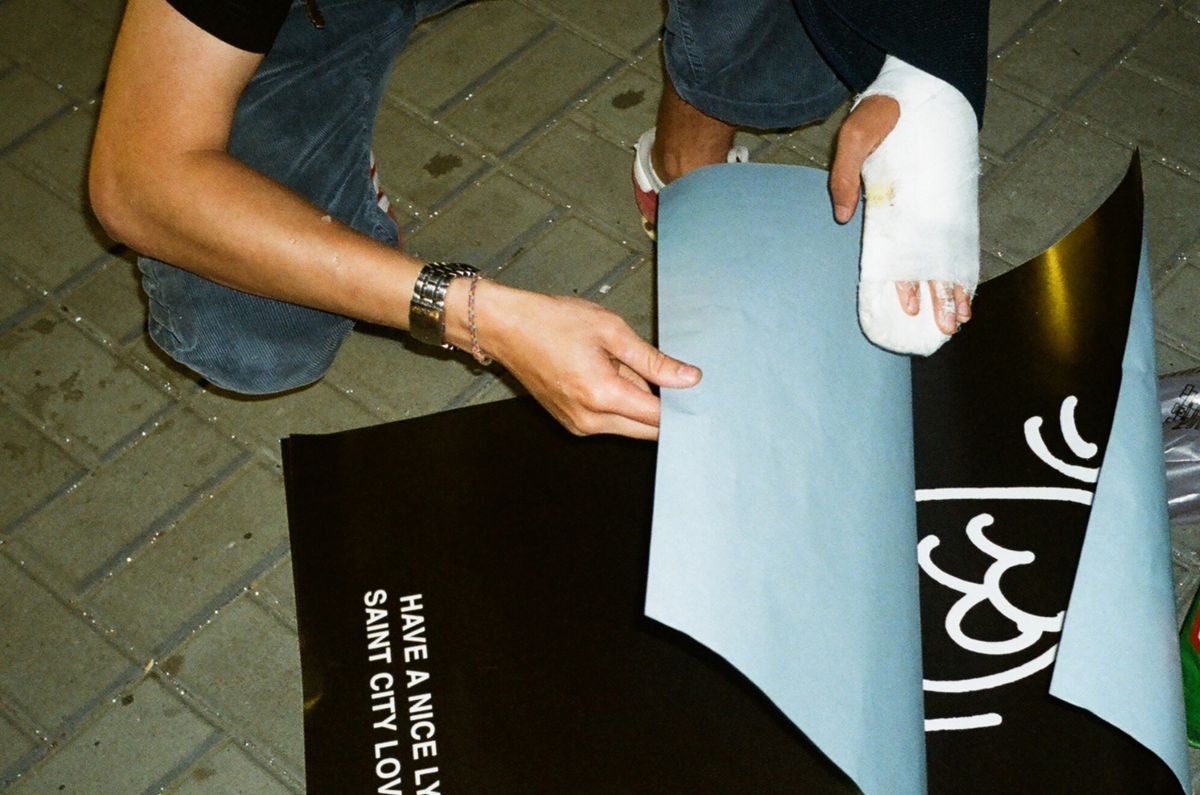
Gaines carried a handwritten poster reading, “Sophie, thank you, a girl mom.” Before entering, she reportedly measured the sign to ensure compliance. Its dimensions remained below the arena’s 11 by 17-inch limit. Still, Gaines says a staffer ordered her to put it down.
According to Gaines, the employee objected because Cunningham’s name appeared on it. Nearby spectators reportedly challenged that explanation because other signs named players. However, the staffer allegedly continued pressing the issue. Gaines ultimately refused to comply.
The published rules do not support that explanation.
The published Target Center policy generally permits handheld signs smaller than 11 by 17 inches. It bans offensive material, lighting, poles, and displays blocking another guest’s view. Additionally, event organizers can impose separate restrictions. However, the published policy does not ban athletes’ names.
Gaines says her poster contained no offensive words, lights, sticks, or threatening images. Therefore, the employee’s alleged reason appears disconnected from the written rules. That gap matters because unwritten policies create endless opportunities for unfair treatment. They also leave paying customers powerless against arbitrary decisions.
Americans recognize this frustrating routine.
Many Americans have experienced similar bureaucratic frustration at schools, workplaces, airports, and government offices. A rule suddenly appears after someone has already followed every published requirement. Then, another person receives different treatment under identical circumstances. Nobody accepts responsibility, and nobody offers a convincing explanation.
That experience makes the Target Center dispute painfully relatable. Most Americans do not expect special treatment when entering an arena. However, they expect employees to enforce the same standards equally. Selective enforcement quickly destroys that basic trust.
Political messages received noticeably different treatment.
Minnesota Lynx coach Cheryl Reeve wore a shirt reading, “Trans kids belong.” Fans also displayed messages supporting transgender participation in women’s sports. Meanwhile, Gaines used her sign to thank Cunningham for taking the opposing position. Only Gaines reported receiving an order to hide her message.
Reeve had every right to express her beliefs within league and arena rules. Likewise, Gaines deserved equal treatment if her poster met those requirements. Free expression loses credibility when authorities tolerate only fashionable opinions. Otherwise, inclusion becomes another empty slogan printed on expensive merchandise.
Basketball became a sideshow inside its own arena.

The game attracted competing rallies outside Target Center. It marked the third consecutive Fever road game surrounded by protests. Inside, spectators frequently booed Cunningham when she entered or touched the ball. Consequently, another WNBA contest became trapped inside America’s cultural warfare.
Meanwhile, Minnesota earned a 108-to-100 victory and extended its winning streak to 10 games. The Fever fell to 19-11 after winning five straight contests. Cunningham scored three points during the loss. However, those basketball details barely survived beneath the political noise.
An earlier Seattle controversy made everything worse.
The Minneapolis confrontation did not occur alone. Days earlier, the WNBA suspended a Seattle Storm co-owner following an encounter with two teenage Cunningham supporters. The league barred Celeste Keaton from five home games. It also imposed an undisclosed fine.
Consequently, Cunningham’s supporters increasingly see a pattern of institutional hostility. Arena confrontations now involve teenagers, executives, activists, and security workers. Even separate incidents can create a damaging collective impression. Professional leagues cannot dismiss that perception while similar disputes keep surfacing.
Silence leaves the harshest interpretation standing.
Still, fairness requires acknowledging that the Target Center allegation rests primarily on Gaines’s account. No public explanation has confirmed who directed the employee. Likewise, officials have not identified any special event restriction. That missing information prevents a complete judgment.
However, the Minnesota Lynx reportedly did not answer detailed questions about the incident. Silence rarely calms a controversy involving suspected double standards. Instead, it allows anger and speculation to harden. A simple explanation could settle several crucial questions.
Young fans watched adults turn disagreement into hostility.
After the game, Cunningham reportedly met Gaines near the tunnel. Several young girls remained nearby and called Cunningham’s name. She spent about 15 minutes greeting supporters and taking photographs. Finally, Cunningham posed while holding the disputed sign.
For those families, that moment probably mattered more than the final score. Yet children also witnessed adults weaponize disagreement inside a sporting event. They saw boos, protests, confrontations, and unclear enforcement. That may represent the afternoon’s bleakest lesson.
Target Center now owes paying fans a clear answer.
Target Center can resolve this controversy without another political statement. Officials should publish any event-specific rule that justified the employee’s demand. If the worker misunderstood policy, management should acknowledge that mistake. If someone ordered selective enforcement, fans deserve to know why.
Americans understand security rules, crowd controls, and reasonable restrictions. They also recognize favoritism when one viewpoint receives suspiciously different treatment. A sports league cannot demand trust while avoiding basic transparency. Until officials explain the incident, one small sign will represent something much larger.