10 Shocking Scams Targeting Seniors You Must Watch in 2026
Older adults remain prime targets for increasingly sophisticated scams. In 2025 alone, Americans aged 60 and over reported losses exceeding $3 billion, with experts estimating the actual damage could range from $10 billion to $81 billion when unreported cases are included. Scammers are exploiting social media, government impersonation, and even artificial intelligence, making vigilance essential. Below, we break down the 10 most alarming scams seniors face today and how to safeguard against them.
Social Media Investment Scams

Social media platforms have become fertile ground for fraudulent investment schemes targeting older adults. Scammers pose as financial advisors or promote bogus cryptocurrency and stock opportunities, promising high returns with no risk. Initial “profits” are often staged to gain trust, only for the scammer to vanish when the victim attempts to withdraw funds.
These scams frequently appear as personalized messages or advertisements on Facebook, Instagram, and LinkedIn. Seniors are advised to treat unsolicited offers with extreme caution, verify investment platforms independently, and avoid any promise of guaranteed returns, which is a hallmark of fraud.
Government Impersonation Scams
Reports of scammers posing as officials from agencies like the IRS, Social Security, or Medicare surged by 40% in 2025. These fraudsters create urgency by claiming overdue taxes, suspended benefits, or account issues to pressure victims into making immediate payments or sharing sensitive personal information.
Victims have suffered losses ranging from $10,000 to over $100,000. No legitimate agency will demand payment or threaten arrest via unsolicited calls or messages. Seniors should hang up and contact the agency directly through verified official channels.
Bank and Account “False Alarm” Scams
A growing tactic involves scammers calling to claim a senior’s bank or online account has been compromised. The caller then guides the victim to “secure” their money by withdrawing funds, transferring cryptocurrency, or wiring funds.
Data shows that about one-third of high-loss victims pay via cryptocurrency, with the remainder using bank transfers or cash. Financial institutions and government agencies never instruct clients to move funds for protection, so any such request is a clear red flag.
Tech Support Frauds
Tech support scams continue to trap seniors, with $159 million lost in 2024 alone. Pop-up alerts or unsolicited calls claim to detect malware or computer issues and ask for remote access to “fix” the problem.
Once scammers gain access, they can steal login credentials and personal data. They may also charge for unnecessary repairs or protection plans. Legitimate tech companies never request unsolicited remote access, and seniors should refuse such requests immediately.
Romance Scams

Romance scams are on the rise, often originating on social media and dating platforms. Scammers build trust over weeks or months, then fabricate urgent situations that require financial assistance, such as medical emergencies or travel expenses.
Losses in 2025 averaged around $2,020 per victim, with nearly 60% starting online. Any request for money from someone never met in person is highly likely to be fraudulent, regardless of the emotional connection.
Fake Toll and Payment Texts
Bogus texts claiming unpaid tolls or outstanding fines have caused a spike in government impersonation scam reports. These messages often spoof legitimate programs like EZ-Pass, SunPass, or FasTrak, threatening late fees or vehicle suspension.
Clicking links directs users to fraudulent payment pages designed to steal financial information. Seniors should delete such messages and verify balances directly through official state toll websites.
Prize, Sweepstakes, and Lottery Scams
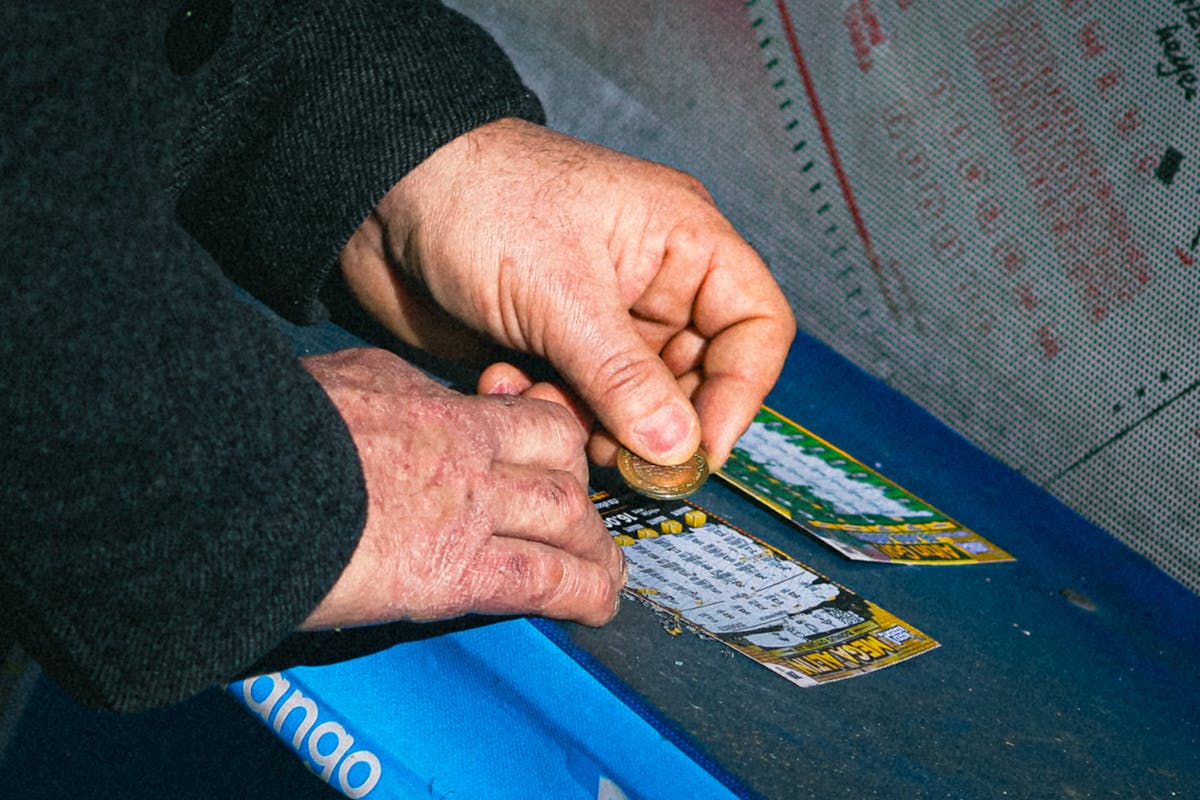
Seniors are disproportionately affected by fake prize notifications. These scams inform recipients of winnings but require upfront fees labeled as taxes, processing charges, or shipping.
Payments through wire transfer, gift cards, or cryptocurrency make recovery impossible. Seniors should remember that legitimate prizes never require advance payment, and any request for money up front signals a scam.
AI Voice Cloning and Family Emergency Frauds
Advances in AI have enabled scammers to mimic a relative’s voice, creating a sense of urgency with fabricated emergencies. Victims are pressured to wire funds immediately, exploiting emotional vulnerability.
Establishing family code words known only to relatives can prevent falling victim. Always verify emergencies by contacting the family member through existing trusted channels, rather than relying solely on the caller’s voice.
Cryptocurrency ATM Scams
Scammers are now directing seniors to cryptocurrency ATMs under the guise of helping them recover funds from fraudulent activity. Victims are instructed to insert cash and scan QR codes, sending cryptocurrency directly to scammers.
These transactions are irreversible. Any government or business entity claiming you must use a crypto ATM to protect your accounts is engaging in fraud. Seniors should hang up immediately and report the incident.
Medicare and Health Insurance Scams

During Medicare Open Enrollment, scammers increase activity, claiming fees for new cards or threatening coverage loss. Some sell fake discount medical plans that charge monthly fees but don’t deliver benefits.
Sharing personal information with unsolicited callers is dangerous. Seniors should verify any claims directly through 1-800-MEDICARE and avoid sharing sensitive data with unknown contacts.
How Seniors Can Report and Protect Themselves
Seniors can protect themselves by staying vigilant and treating every unexpected contact with a healthy dose of skepticism. Any unsolicited calls, texts, or social media messages demanding money, personal information, or urgent action should immediately raise red flags. Before responding, they should independently verify the source—whether it’s a government agency, financial institution, or a supposed family member—by using official phone numbers or websites they already know and trust.
Limiting exposure to online scams is equally important. Seniors should use strong, unique passwords, enable two-factor authentication on financial and email accounts, and be cautious of sharing personal information on social media. Establishing safety protocols, such as a family code word for emergencies, can help prevent falling victim to voice-cloning or impersonation scams. Additionally, reporting suspicious activity to the FTC not only protects them but also helps shield others from similar fraud. Regularly reviewing bank statements, credit reports, and digital accounts helps detect unusual activity early, making it harder for scammers to exploit gaps in oversight.
Conclusion
Awareness and verification are the strongest defenses against these evolving scams. Seniors and their families should maintain skepticism of unsolicited communications, independently verify any financial requests, and report suspicious activity promptly. The landscape is growing more complex, making proactive education essential to preserve savings and personal security.