9 Home Organization Trends That Create More Problems Than They Solve
Home organization trends can look magical online. Everything is color-coded, labeled, folded, stacked, and styled like a showroom. But real homes are not display shelves. They are busy spaces where people cook, dress, work, clean, rest, rush, spill things, lose things, and change routines.
The problem with many organizational trends is that they focus more on appearance than on daily function. A system may look beautiful in a video, but if it takes too much time to maintain, it quickly becomes another chore. These popular home organization trends often create more problems than they solve.
Clear Storage Bins Everywhere
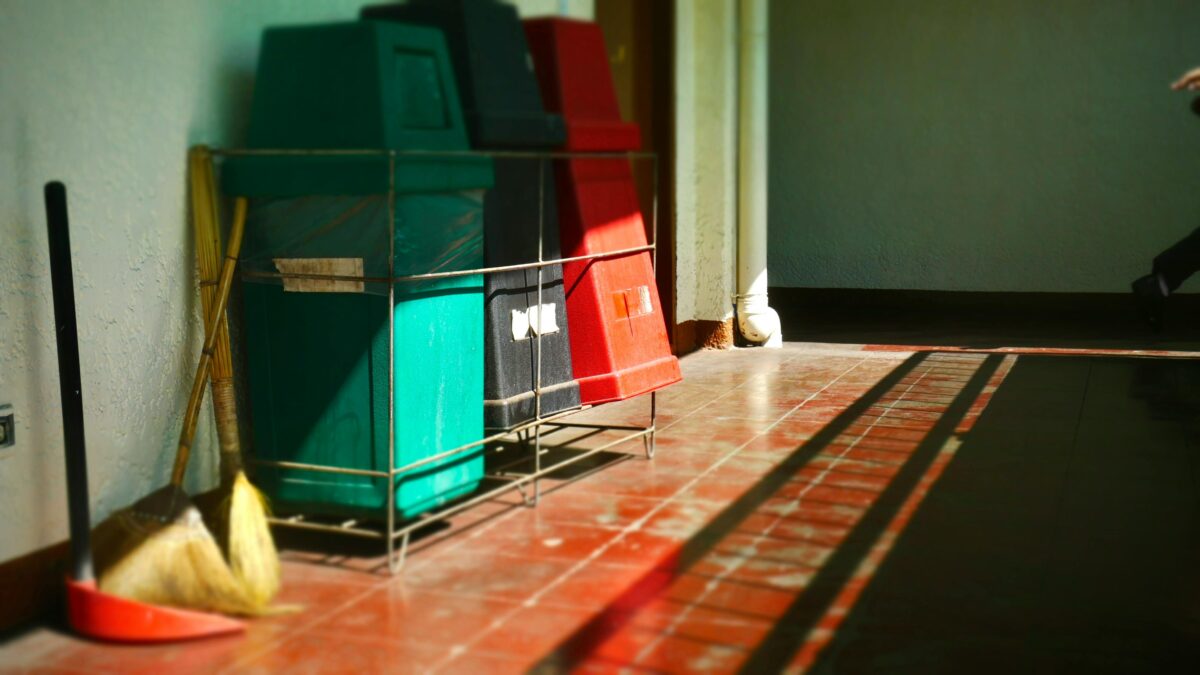
Clear bins sound practical because they let you see everything at once. But when every shelf is packed with transparent containers, the home can start looking visually noisy. Instead of hiding clutter, clear bins often put every bottle, toy, cord, snack, and cleaning product on display.
They also work best only when everything inside stays neat. Once items shift around, the entire system looks messy again. Solid baskets or labeled boxes can sometimes create a calmer, cleaner look with less pressure to keep every item picture-perfect.
Overlabeling Everything
Labels can be helpful, but too many labels can make a home feel stiff and overmanaged. When every basket, drawer, jar, shelf, and container has a label, the system starts controlling the person instead of helping them. It can also become annoying when items change places.
A good label should solve confusion, not decorate every inch of storage. If everyone already knows where the towels go, the towel label is doing very little. The organization should make life easier, not turn the house into a mini warehouse.
Decanting Every Product
Pouring cereal, pasta, flour, detergent, snacks, and spices into matching containers looks beautiful online. The problem is that decanting takes time, creates extra dishes, and makes it harder to track expiration dates. It also becomes frustrating when the new product does not fully fit inside the container.
For some items, original packaging is more useful than aesthetic jars. It carries cooking instructions, allergy information, dates, and measurements. Decanting works best when it solves a real problem, not when it becomes a full-time kitchen performance.
Color-Coded Bookshelves
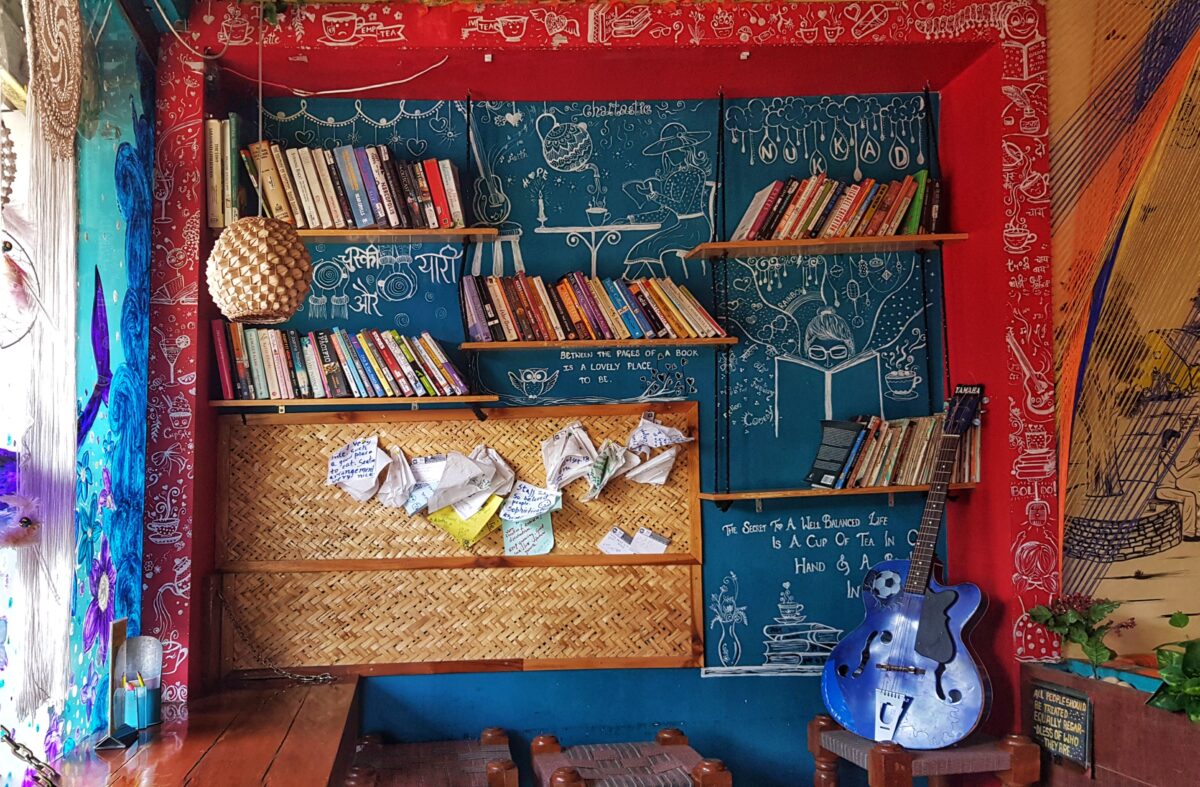
Color-coded bookshelves are visually striking but not always practical. Books are usually easier to find by author, topic, size, or personal reading habits. Sorting them by color may look creative, but it can turn a simple search into a guessing game.
This trend works well for people who can clearly remember book covers. For everyone else, it can become frustrating fast. A beautiful shelf is nice, but a useful shelf is better.
Tiny Drawer Dividers
Drawer dividers can bring order to messy spaces, but tiny compartments can become a trap. They may look neat at first, yet they often limit what can fit inside. Larger items get squeezed, oddly shaped items have nowhere to go, and the drawer becomes harder to use.
The best drawer systems leave room for real life. Not every item needs its own perfect little square. Sometimes, a few flexible sections work better than a complicated grid that demands constant rearranging.
Open Pantry Displays
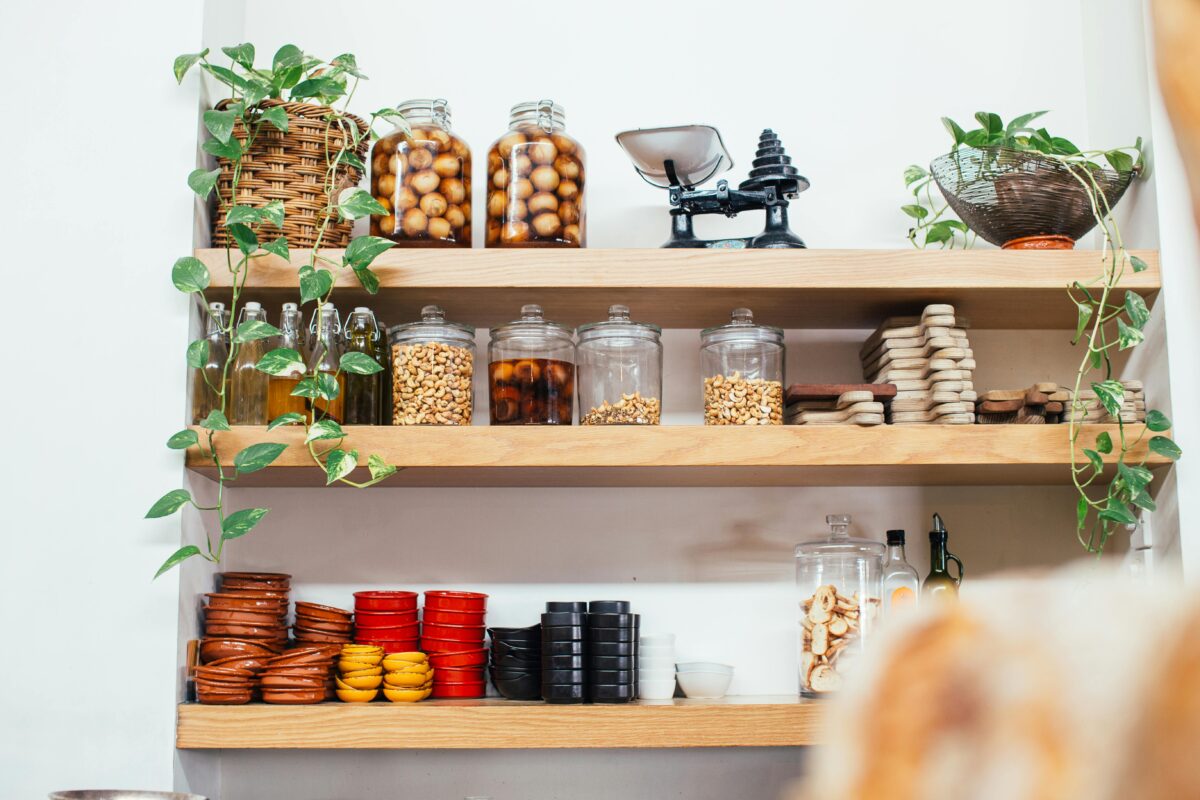
Open pantry displays can make food storage look stylish, especially when paired with matching jars and perfectly aligned rows. But open shelves collect dust, expose clutter, and require constant straightening. One rushed grocery trip can destroy the entire look.
A pantry should be easy to use on busy days, not just attractive when freshly organized. Closed cabinets, simple bins, and realistic grouping often work better for families and active kitchens. Food storage should serve meals, not social media.
Folding Clothes Too Perfectly
Perfect folding methods can make drawers look amazing, especially when shirts, socks, and workout clothes stand in neat rows. The problem starts on laundry day. If the system takes too long, people stop using it, and the drawer returns to chaos.
A folding style should match your energy, schedule, and household habits. Clothes do not need to look like a retail display to be organized. If a simpler fold keeps things clean and easy to find, that is the better system.
Matching Containers for Everything
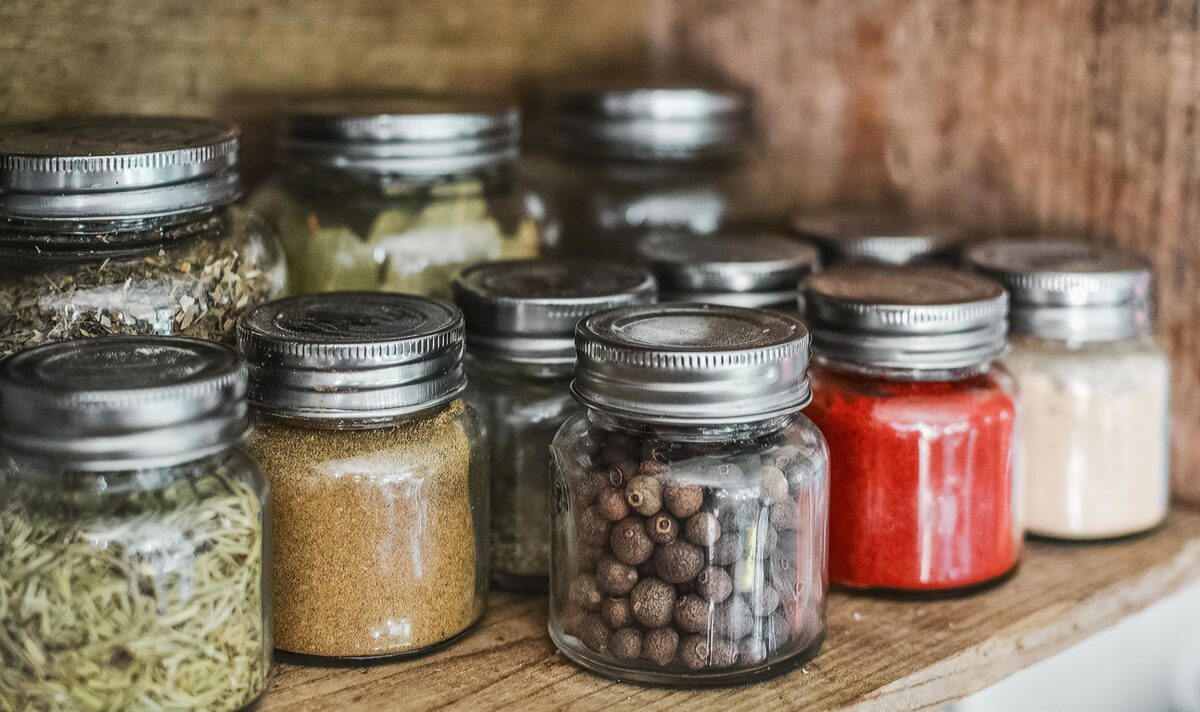
Matching containers create a polished, expensive look, but they can also become costly and restrictive. People often buy more containers than they need, then struggle to make their belongings fit the system. Instead of organizing the home, the containers become another category of clutter.
The goal is not to make every shelf look identical. The goal is to store items in a way that makes sense. A mix of practical baskets, boxes, bins, and drawers can work better than a perfectly matched system that costs too much and solves too little.
The One-Touch Rule for Everything
The one-touch rule says you should handle an item only once by putting it away immediately. In theory, it sounds efficient. In real life, people are tired, busy, distracted, or carrying five things at once. Expecting perfect behavior every time can create guilt instead of order.
A good home system allows for imperfect days. Drop zones, laundry baskets, entryway trays, and temporary holding spots can be more realistic than strict rules. Organizations should support human habits, not punish them.
Conclusion
Home organization should feel useful, calm, and easy to maintain. The best systems are not always the prettiest ones. They are the ones that survive rushed mornings, full laundry baskets, grocery days, tired evenings, and real family life.
Trends can inspire better habits, but they should never make your home harder to live in. Before copying the next viral organizing idea, ask one simple question: Does this actually solve a problem, or does it just look good on camera?