10 Harshest Places People Call Home
Imagine waking up to a world so relentlessly cold that your breath freezes in midair and the sun barely rises for months. This is not a movie set or a scientific experiment; it is the daily reality for a small, resilient community enduring temperatures that would stop most of us in our tracks. Every step outside feels like a battle, and every routine task becomes a test of endurance.
Survival here is not just about clothing or shelter; it is about learning to adapt to extremes that challenge human limits. While modern conveniences provide some relief, nature’s icy grip dominates every aspect of life, from work to play. Let’s take a closer look at what it takes to exist in the planet’s coldest inhabited corner.
Endless Nights and the Winter Sun That Barely Rises
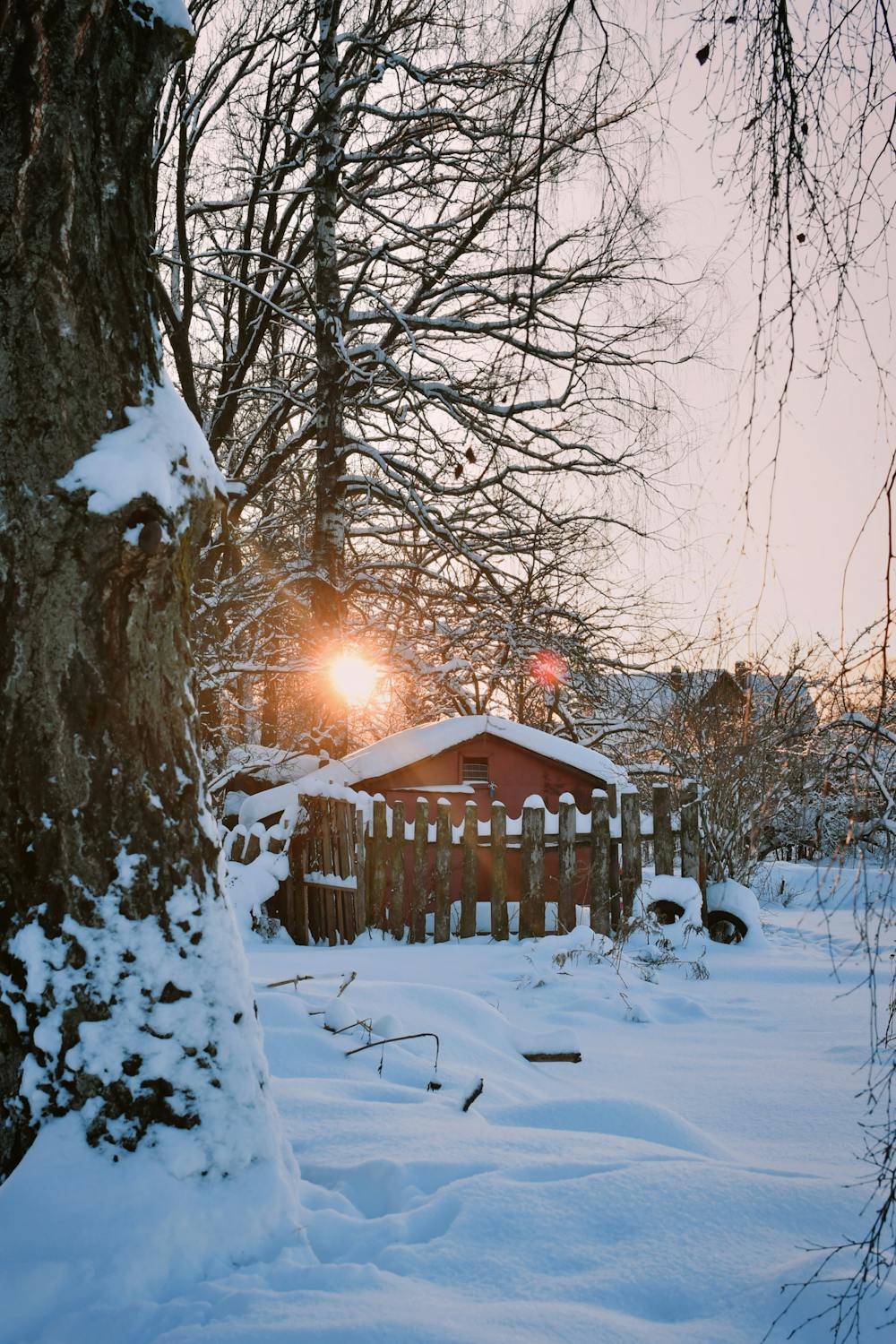
During the long polar night, darkness envelops the settlement for weeks on end. Residents navigate streets lit by artificial lamps, and the absence of sunlight affects everything from energy levels to mental health. The weak sun struggles to peek above the horizon, leaving the landscape frozen in an eerie twilight.
Even when daylight returns, it offers little warmth. The sunlight reflects off endless stretches of ice and snow, creating blinding glare that complicates every activity. Residents rely heavily on vitamin supplements and artificial lighting to maintain health, turning survival into a constant balancing act.
Ice and Wind That Never Relent
The wind here is merciless, cutting through layers of clothing and chilling exposed skin almost instantly. Even a brief walk can leave hands numb and lungs burning, forcing locals to meticulously plan every outing. Buildings are engineered to resist relentless gusts, and vehicles are specially modified to function in conditions that would cripple normal engines.
Snow drifts accumulate quickly, reshaping streets and altering familiar landmarks overnight. Residents must constantly clear paths, and transport schedules hinge entirely on the whims of the weather, proving that life here is never routine.
Daily Chores Become Deadly Tasks
Simple tasks like fetching groceries or walking a dog can become hazardous expeditions. Pipes freeze in seconds, water boils at a lower temperature, and electronics fail unexpectedly. Every domestic activity requires planning and redundant backup systems to ensure survival.
Families stockpile supplies, often for weeks at a time, to avoid venturing out in extreme conditions. Community cohesion becomes critical because neighbors depend on one another to manage emergencies and maintain vital infrastructure.
Extreme Clothing and Survival Gear
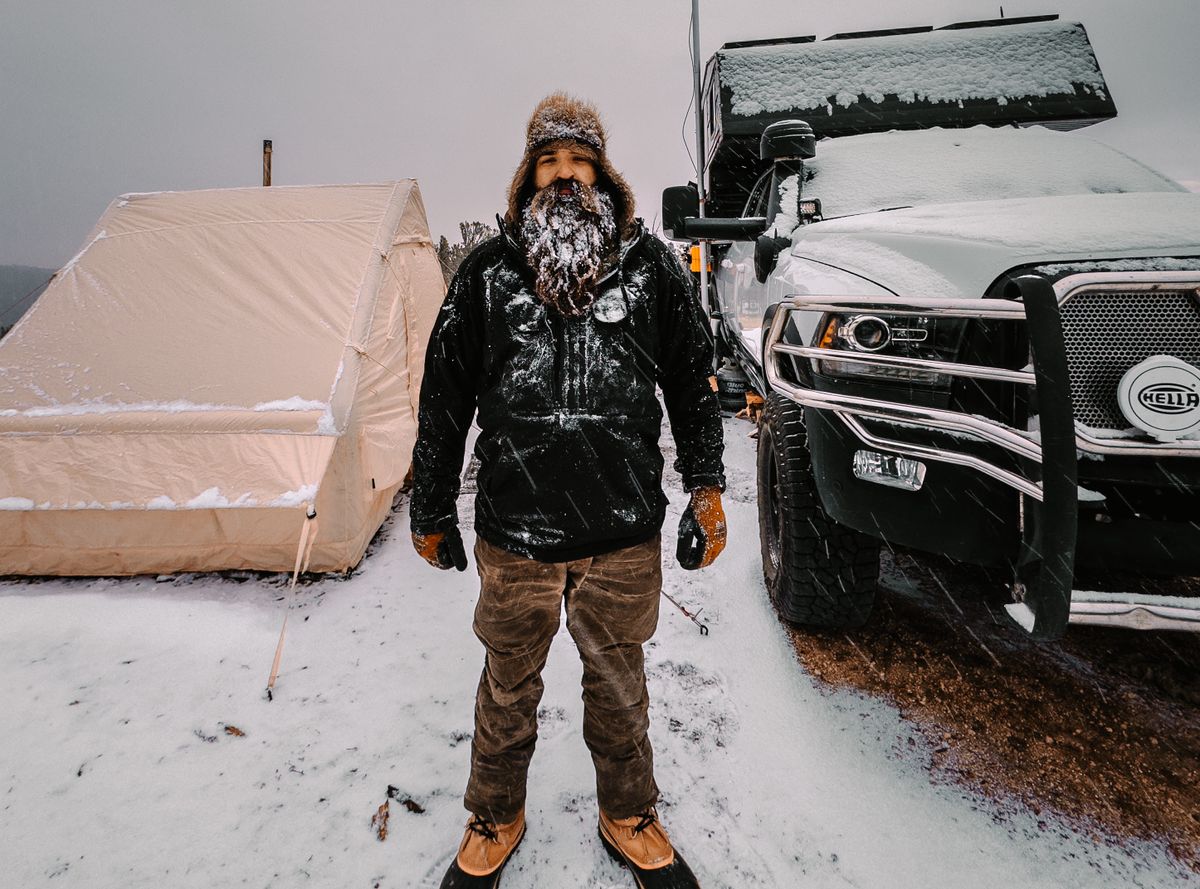
Layering is an art form, with thermal undergarments, windproof outer layers, and specialized footwear essential for mobility. Goggles, face masks, and hand warmers are not optional; they are life-saving tools. Clothing stores here carry items that would be considered excessive elsewhere, yet they are indispensable.
Even with gear, exposure must be limited. Residents plan trips down to the minute, ensuring that no one remains outside longer than necessary. Preparation is a ritual, and overconfidence can have fatal consequences.
Transportation Challenges in Subzero Extremes
Standard vehicles struggle in temperatures that plunge far below zero. Engines must be preheated for hours, batteries die quickly, and tires require special traction. Snowmobiles and all-terrain vehicles are preferred, but even they face delays when visibility drops or ice thickens unexpectedly.
Air travel is equally precarious, with flights frequently delayed or canceled due to frost buildup. The isolation becomes tangible, with supplies and medical access dependent on meticulous logistical planning.
Hunting and Food Survival
Traditional food sources are limited, forcing reliance on preserved, high-calorie diets to endure cold spells. Hunting and fishing require skill and courage, as venturing onto frozen rivers or tundra can be deadly if ice conditions shift suddenly.
Community meals are often communal events, with shared resources ensuring that no one goes hungry. Residents cultivate creativity in food preparation, making the most of sparse ingredients to maintain energy and morale.
Medical Risks Magnified
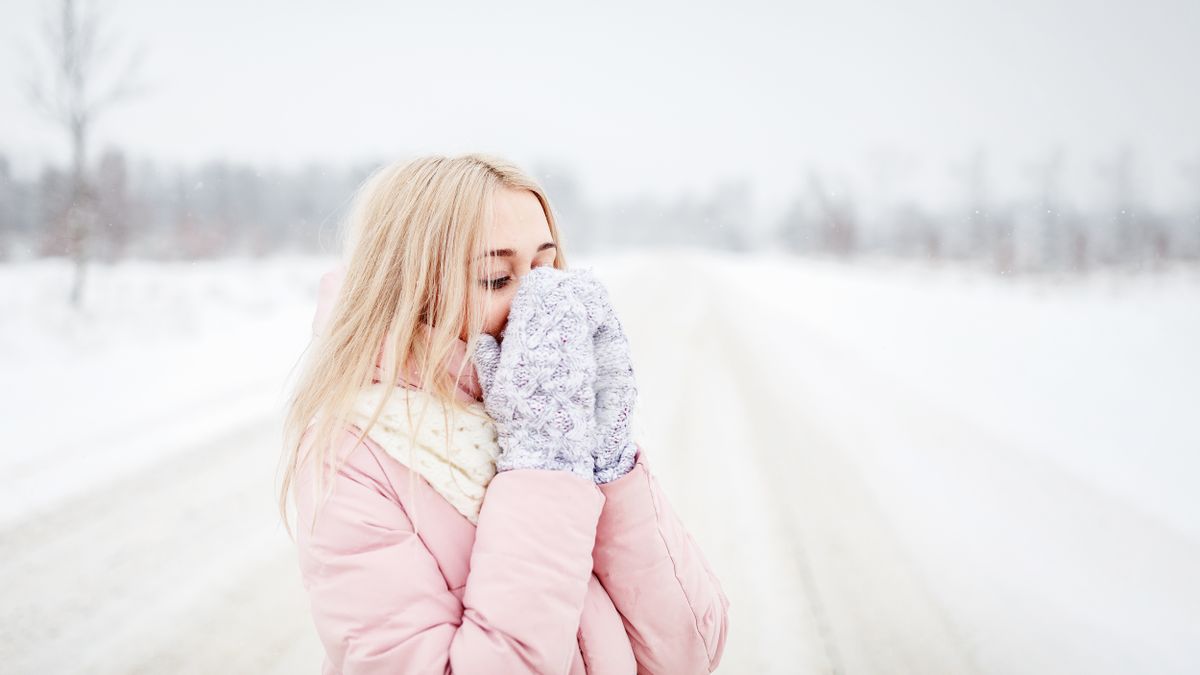
Hypothermia, frostbite, and respiratory complications are constant threats. Even minor injuries can escalate quickly due to limited medical access and harsh environmental conditions. Residents must be vigilant about clothing, nutrition, and activity levels to prevent life-threatening situations.
Remote clinics provide essential care, but emergency care often relies on evacuation plans that are vulnerable to weather delays. Preventive health is a daily responsibility, not a choice, shaping every decision from morning routines to outdoor leisure.
The Psychological Toll of Isolation
Months of darkness and bitter cold create unique mental health challenges. Social isolation, limited sunlight, and harsh living conditions combine to strain even the toughest minds. Residents combat this through community gatherings, routines, and digital communication to maintain social bonds.
The psychological endurance required is as critical as physical preparedness. Locals develop resilience strategies early, balancing work, socialization, and personal reflection to cope with the long, unyielding winters.
Housing Built to Withstand the Extreme
Homes here are engineered to trap heat, resist wind, and endure shifting ice. Insulation is thick, windows are small and double-paned, and doors are reinforced. Energy efficiency is paramount, as heating failures can be fatal in minutes.
Even with sturdy construction, maintenance is relentless. Roofs must shed snow constantly, foundations must be checked for frost heave, and backup heating systems are never optional. Living conditions demand constant vigilance and adaptation.
Community Spirit Amidst the Cold
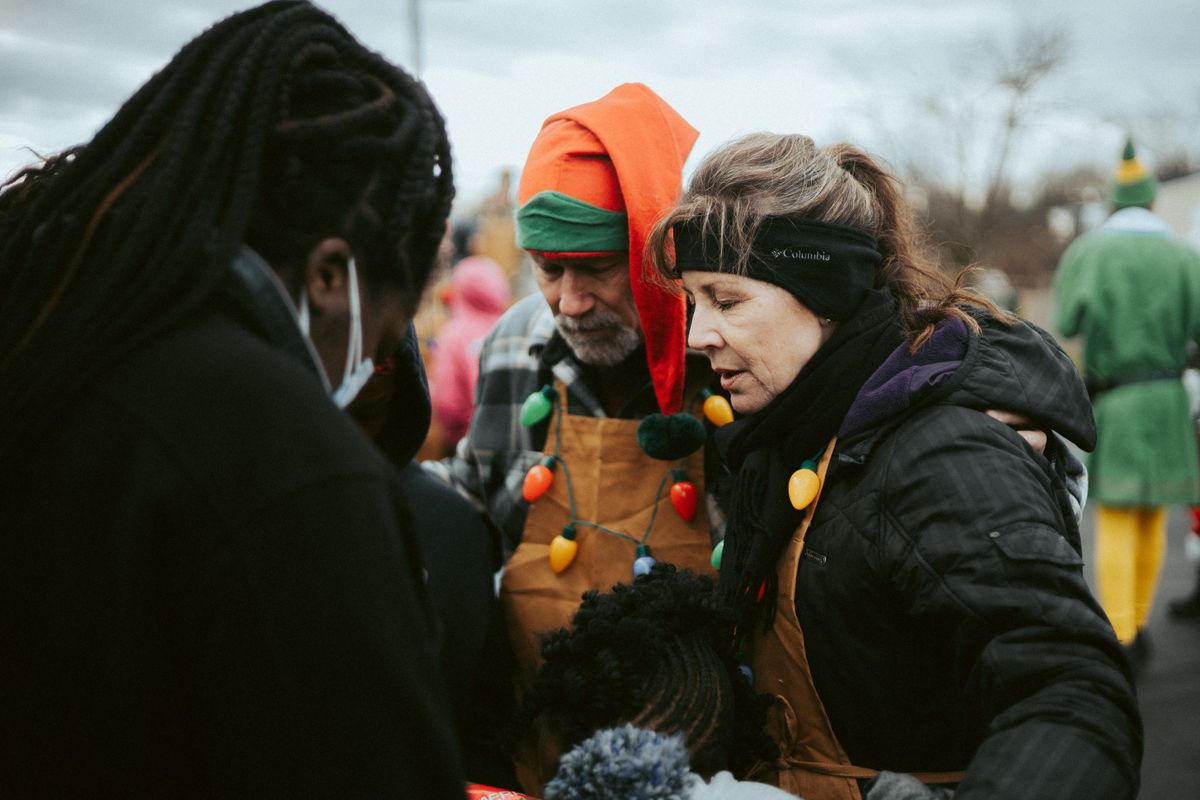
Survival in such an extreme environment fosters deep social bonds. Residents depend on each other for safety, support, and shared resources, cultivating a community spirit that outsiders rarely witness. Festivals, communal meals, and collective problem-solving are essential for morale.
This social cohesion is not just comforting; it is a survival tool. In a place where nature dominates every aspect of life, human connection becomes the warmest resource available.
The coldest inhabited place on Earth is a testament to human endurance, ingenuity, and resilience. Life here is a constant negotiation with a landscape that refuses to relent. For those who call this icy wilderness home, survival is a daily triumph over a frozen world that few can truly imagine.