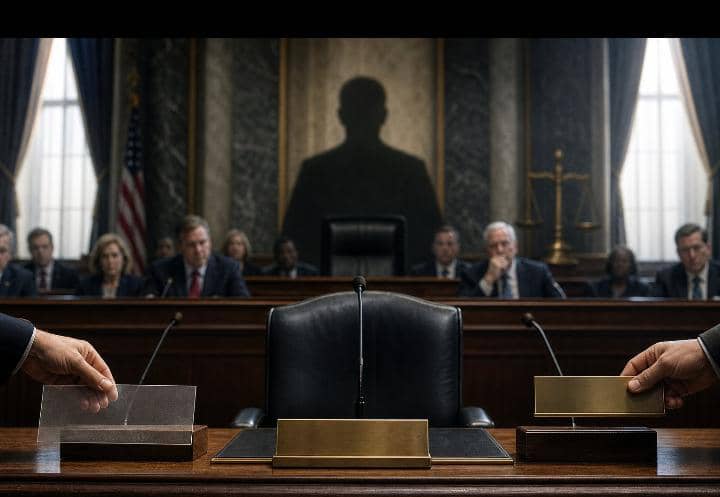
Trump Russia Sanctions Bill Raises Stakes for Putin, Ukraine and Global Energy Markets
A new chapter in the conflict between Russia and the West may be unfolding in Washington. The Trump-Russia sanctions bill has emerged as a major foreign policy issue as the administration considers stronger economic measures aimed at pressuring Moscow over its war in Ukraine.
The proposed legislation, linked to the late Senator Lindsey Graham’s long-running push for tougher action against Russia, could reshape how the United States uses economic pressure during international conflicts. The bill would target Russia’s energy revenue and could also affect countries that continue buying Russian oil and natural gas.
The debate surrounding the Trump-Russia sanctions bill comes at a critical moment. Peace talks between Russia and Ukraine remain uncertain, Ukrainian cities continue facing attacks, and lawmakers are divided over how aggressively Washington should respond.
The decision carries consequences far beyond Capitol Hill. It could influence global energy markets, diplomatic relationships, and the future direction of U.S. foreign policy under President Donald Trump.
Washington’s New Russia Strategy Faces a Difficult Test
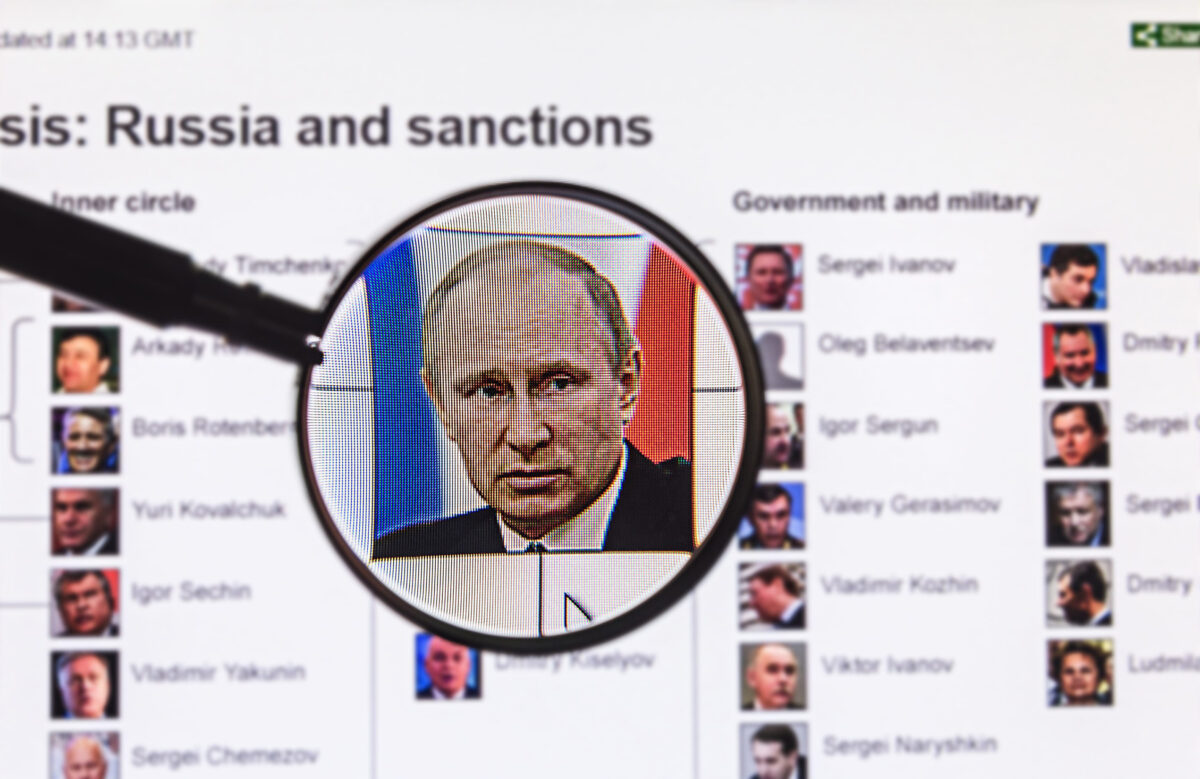
The Trump-Russia sanctions bill represents a significant shift in the ongoing debate over how the United States should respond to the war in Ukraine. Supporters argue that stronger economic pressure could force Russia to reconsider its military strategy and return to serious negotiations.
A White House official said Trump plans to support the legislation, creating new momentum for a proposal that had previously faced uncertainty. The bill would provide additional tools to punish Russia and target countries that continue supporting Moscow’s energy economy.
However, Trump’s own comments showed that the final decision remained complicated. When questioned about the legislation, the president said officials were still reviewing the details before making a final determination.
That hesitation reflects the broader challenge facing the administration. Trump has promoted diplomacy as the preferred path toward ending the Ukraine war, but supporters of sanctions argue that negotiations require stronger pressure on Russia.
The Trump-Russia sanctions bill places the president between two competing goals: pursuing peace talks while increasing economic consequences for Moscow. The outcome could define how Trump approaches major international conflicts during his presidency.
The Senator’s Final Fight Becomes a Global Policy Debate
The origins of the Trump-Russia sanctions bill are closely connected to Senator Lindsey Graham’s efforts to increase pressure on the Kremlin. Graham, a Republican from South Carolina, spent years advocating for stronger sanctions against Russia and greater support for Ukraine.
Before his death, Graham pushed legislation that included some of the toughest proposed economic penalties against Moscow. One of the most controversial ideas involved allowing the United States to impose secondary tariffs on countries that continued purchasing Russian energy.
Supporters described the proposal as a way to weaken the financial foundation of Russia’s military campaign. They argued that energy revenue allows the Kremlin to maintain its war efforts despite years of Western restrictions.
The bill gained renewed attention after Graham’s sudden death. Senate leaders described him as the driving force behind the legislation and suggested that advancing the measure would preserve his foreign policy legacy.
The Trump-Russia sanctions bill has therefore become more than a sanctions proposal. It now represents a broader debate about America’s role in global conflicts and how economic power can influence international behavior.
Putin’s Energy Revenue Faces a New Challenge

At the center of the Trump-Russia sanctions bill is Russia’s energy industry, one of the most important sources of funding for the Kremlin. Oil and natural gas exports have helped Russia maintain economic stability despite extensive Western sanctions.
The proposed legislation focuses heavily on limiting the benefits Russia receives from international energy sales. By targeting countries that purchase Russian oil, lawmakers hope to reduce the money flowing into Moscow’s economy.
Russia’s energy relationships have changed significantly since the invasion of Ukraine began. While many Western nations reduced their dependence on Russian supplies, other countries increased their purchases due to discounted prices.
This creates a difficult international situation. The United States must balance its goal of pressuring Russia with concerns about global energy stability and diplomatic relationships.
The impact of the Trump-Russia sanctions bill could therefore extend beyond Moscow. Countries that rely on Russian energy may need to reconsider their economic strategies, potentially creating new tensions between Washington and its partners.
The Hidden Battle Over Russia’s Global Customers
One of the most important features of the Trump-Russia sanctions bill is its focus on secondary sanctions. Unlike traditional sanctions that target a single country, secondary sanctions can pressure foreign governments and companies that continue to do business with Russia.
This approach has been used by the United States in previous international disputes. Washington has often relied on its financial influence to discourage companies and governments from supporting countries under sanctions.
The challenge is that secondary sanctions can create diplomatic friction. Countries purchasing Russian energy may view these measures as interference with their economic decisions.
India provides a clear example of this challenge. The country has purchased significant amounts of Russian oil while also maintaining important economic and strategic ties with the United States.
The Trump-Russia sanctions bill could force countries like India to make difficult decisions. They may need to balance affordable energy access with the risk of facing economic penalties from Washington.
This tension shows why sanctions policy is never simple. Economic pressure can influence governments, but it can also create new disagreements among international partners.
Ukraine War Deadlock Pushes Leaders Toward Stronger Measures
The timing of the Trump-Russia sanctions bill reflects growing frustration over the lack of progress in ending the Ukraine war. Diplomatic efforts have struggled to produce a lasting agreement between Moscow and Kyiv.
Ukraine continues to face missile and drone attacks that have damaged infrastructure and affected civilian communities. Ukrainian leaders have repeatedly called for additional military assistance and stronger international action against Russia.
Trump recently met with Ukrainian President Volodymyr Zelenskyy to discuss security support and possible diplomatic solutions. The United States has also supported Ukraine’s efforts to strengthen its air defense capabilities.
Despite these developments, negotiations remain difficult. Ukrainian officials have called for direct discussions with Russian President Vladimir Putin, but Moscow has shown limited willingness to engage under current conditions.
The Trump-Russia sanctions bill has gained attention because many policymakers believe economic pressure may be necessary when diplomacy reaches a standstill.
The debate reflects a recurring question in international relations: can stronger sanctions create conditions for peace, or do they risk increasing tensions?
A New Political Divide Emerges Inside Washington

The Trump-Russia sanctions bill has also highlighted divisions within American politics. Lawmakers disagree about the appropriate level of U.S. involvement in the conflict in Ukraine and the effectiveness of sanctions.
Some Republicans and Democrats support tougher measures against Russia. They argue that failing to increase pressure could encourage further aggression and weaken America’s credibility with allies.
Others question whether additional sanctions will achieve their intended goals. They warn that economic restrictions can produce unintended consequences and may complicate diplomatic efforts.
These disagreements reflect a larger debate about American foreign policy. The United States has historically used economic tools during major conflicts, including sanctions against countries such as Iran and North Korea.
The current debate surrounding the Trump-Russia sanctions bill continues that tradition while raising new questions about the limits of economic power in modern conflicts.
The Global Impact Could Reach Beyond the Battlefield
The effects of the Trump-Russia sanctions bill could spread into global markets if the legislation becomes law. Energy prices, trade relationships, and international supply chains could all experience changes.
Oil markets respond quickly to uncertainty. If sanctions reduce Russia’s ability to sell energy internationally, other producers may need to increase output to meet global demand.
Consumers may also feel the effects. Changes in energy markets can influence transportation costs, manufacturing expenses, and household budgets.
At the same time, some countries and companies could benefit by becoming alternative suppliers. Energy producers outside Russia may find new opportunities as governments search for reliable sources.
The Trump-Russia sanctions bill therefore represents more than a punishment against one country. It could reshape economic relationships across several regions.
The legislation also demonstrates how modern conflicts extend beyond military operations. Financial systems, energy markets, and international trade have become critical parts of geopolitical competition.
The Decision That Could Shape America’s Next Foreign Policy Chapter
The future of the Trump-Russia sanctions bill will depend on negotiations between the White House and Congress. Lawmakers must determine whether the legislation can create meaningful pressure without damaging diplomatic opportunities.
For Ukraine, the bill represents a possible turning point in efforts to increase support against Russia. For Moscow, it represents another potential challenge to the economic system supporting its war strategy.
For global markets, the legislation raises concerns about energy stability and international trade. For Trump, it presents a defining choice between diplomatic flexibility and stronger economic confrontation.
History shows that sanctions rarely produce immediate results. Their impact often develops over years through financial pressure, political isolation, and changing international relationships.
The debate over the Trump-Russia sanctions bill ultimately reflects a larger question facing world leaders: how can nations use economic power to protect security interests while avoiding deeper global instability? As Washington decides the future of this legislation, the consequences will likely extend far beyond the halls of Congress.