Beauty influencer Valeria Márquez’s TikTok murder case takes a shocking turn as arrests reveal alleged cartel-linked plot
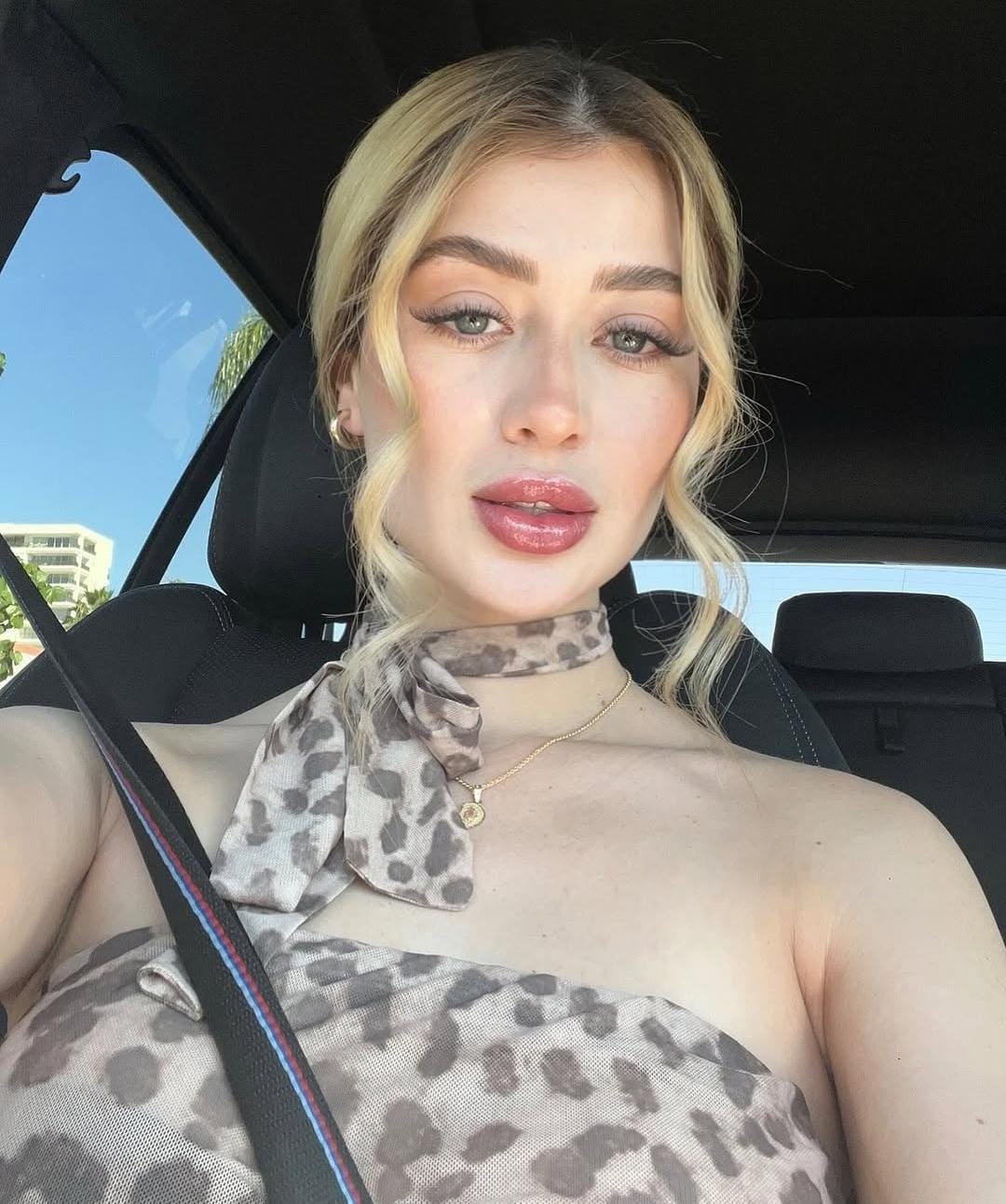
A 23-year-old beauty influencer was live on TikTok when her life ended in a crime that shocked millions. More than 400 days later, Mexican authorities say arrests have uncovered new details about the alleged network behind Valeria Márquez’s killing.
The case of Valeria Márquez, a young Mexican beauty influencer who was shot during a livestream inside her salon, has evolved from a shocking social media tragedy into a major criminal investigation attracting international attention.
Authorities now allege that the killing was not a random act of violence, but a planned attack connected to threats, a former relationship, and individuals allegedly linked to organized crime. While investigators have made arrests, the accusations remain allegations until they are tested and proven in court.
A TikTok livestream became the scene of a shocking crime
Márquez was broadcasting from Blossom the Beauty Lounge in Zapopan, Jalisco, on May 13, 2025, when viewers witnessed the terrifying moments leading up to her death.
The 23-year-old had built an online audience of nearly 200,000 followers, sharing beauty tutorials, lifestyle videos and personal updates. Her salon had become the backdrop for much of her content, making the attack even more shocking for fans who regularly watched her videos.
During the livestream, Márquez reportedly discussed a suspicious delivery and expressed concern about a person who had attempted to bring her a gift. Investigators later examined whether that incident was connected to the attack that followed.
The case quickly spread beyond Mexico because of one disturbing fact: the final moments of Márquez’s life were witnessed online by viewers around the world.
Investigators believe the attack was carefully planned
Authorities say evidence suggests the shooting was not an impulsive crime but a targeted operation.
Investigators allege the attacker entered the salon under the appearance of making a delivery, confirmed Márquez’s identity and then carried out the shooting before escaping. Police later reviewed surveillance footage, witness accounts and digital evidence to reconstruct the timeline of events.
The investigation has involved multiple agencies and several stages of evidence collection. More than 400 days after the killing, authorities say they have identified individuals they believe played different roles in the alleged operation.
The case has also been investigated under Mexico’s femicide framework, which examines whether a woman was killed because of gender-based violence or circumstances connected to threats, relationships or patterns of abuse.
Former relationship becomes a major focus of investigation
A major development came when federal officials linked the investigation to Márquez’s previous romantic relationship.
Security Secretary Omar García Harfuch stated that authorities believe Márquez had been involved with the son of suspected criminal leader Ramón Ángel Álvarez Ayala. Officials allege that the relationship ended before her death and that threats were made against her.
Investigators believe the conflict may have escalated after the breakup, creating what authorities describe as a possible motive behind the attack.
The alleged timeline presented by officials follows a disturbing pattern: a reported relationship conflict, claims of threats, an alleged plan and a public attack carried out inside Márquez’s workplace.
The claims remain part of an ongoing investigation and have not yet resulted in final court findings.
Arrest of suspected cartel figure changes the direction of the case
The investigation gained momentum after authorities arrested Ramón Ángel Álvarez Ayala, known as “R1,” in July 2026.
Mexican officials identify Álvarez Ayala as an alleged leader connected to Los R’s, a criminal organization authorities have linked to the wider CJNG network.
His arrest was already considered a major law enforcement operation because officials also accused him of involvement in the killing of Uruapan Mayor Carlos Manzo, who was assassinated during a public Day of the Dead celebration in 2025.
Authorities said the arrest created new investigative opportunities in the Márquez case by providing additional leads about the alleged criminal structure surrounding the attack.
New arrest brings investigators closer to alleged gunman
The case saw another major breakthrough in August 2026 when prosecutors announced the arrest of Iván Martín “N.”
Authorities describe him as a suspected participant in Márquez’s killing and allege that he was directly involved in the operation.
Investigators say surveillance work, intelligence gathering and forensic evidence helped connect him to the case. Officials reportedly recovered firearms, electronic devices and documents during the operation, all of which must now undergo further examination.
The arrest does not conclude the investigation. Prosecutors still need to prove each person’s exact role, including who allegedly organized the attack, who gave instructions and who carried it out.
The wider crisis behind Márquez’s death
Although Márquez’s case gained worldwide attention because it happened during a livestream, experts say it reflects a much broader issue involving violence against women in Mexico.
National surveys have found that more than 70% of Mexican women aged 15 and older have experienced some form of violence during their lifetime. Thousands of women are killed every year, although only some cases meet the legal definition of femicide.
The case has renewed conversations about how authorities respond to threats against women before they become deadly. Márquez’s reported concerns before her death have become one of the most examined parts of the investigation.
For many advocates, the tragedy highlights the importance of taking threats seriously and improving protections for women facing intimidation or violence.
Social media preserved evidence but spread misinformation
The platform that helped Márquez build her career also captured the final moments before her death.
The livestream may have provided investigators with important information about the timing of the attack, but it also created challenges as graphic footage and false claims spread across social media.
Within hours, online discussions produced rumors, speculation, and unverified theories. Some users shared manipulated content, making it harder to separate facts from misinformation.
The case became an example of the complicated role social media now plays in modern investigations: it can preserve evidence while also amplifying trauma for victims’ families.
Prosecutors now face the biggest challenge: proving the case
The arrests represent progress, but the next stage will depend on evidence presented inside a courtroom.
Prosecutors must establish the full chain of events, including who planned the attack, who financed it, who participated, and whether others helped organize or cover up the crime.
Investigators are expected to rely on phone records, surveillance footage, forensic testing, and witness testimony as they build their case.
The most important question remains unanswered: who ultimately ordered Valeria Márquez’s killing, and how many people were involved?
A final livestream that became a national warning
Valeria Márquez started her livestream expecting to connect with followers through beauty content and everyday updates. Instead, the broadcast became a devastating record of a young woman’s final moments.
More than 400 days later, arrests have brought new attention to the investigation and raised hopes that those responsible may eventually face justice.
But the case will not be defined only by arrests or headlines. It will be determined by whether prosecutors can prove their allegations, hold those responsible accountable, and provide answers to a family that has spent more than a year waiting for them.
Márquez’s final video lasted only minutes.
The questions surrounding her death have lasted much longer.