Fresh Uncertainty Surrounds Iran War Talks After Trump Calls Off Strikes, But Demands Rapid Deal
President Donald Trump’s decision to halt planned strikes against Iran has opened a new and fragile chapter in a conflict that appeared to be moving toward a deeper military confrontation. The pause has not ended the crisis. It has instead sharpened the central question: can negotiators turn a temporary suspension of hostilities into a lasting agreement before the window closes?
Trump said he was willing to stop further military action if a deal could be reached quickly, placing diplomacy at the center of a crisis that has already shaken the Middle East and raised fears of wider consequences. The proposed agreement reportedly focuses on reducing Iran’s nuclear threat and restoring access through the strategically important Strait of Hormuz, a key route for global energy shipments. Together, those goals define the stakes of the talks.
But behind the diplomatic optimism lies a difficult question: can years of hostility between Washington and Tehran be resolved in a matter of days?
Trump’s Sudden Shift From Military Pressure To Negotiations

The announcement represented a dramatic change in tone after weeks of escalating threats. The United States had been preparing possible strikes against Iranian targets as officials sought to pressure Tehran into accepting new limits on its nuclear activities and regional actions.
Trump’s decision to pause the operation came after diplomatic conversations involving Middle Eastern partners who urged restraint and warned that further escalation could create unpredictable consequences across the region. Saudi Arabia and other Gulf states pushed for negotiations because they were concerned that a new wave of attacks could threaten energy infrastructure and regional stability.
The move reflects a familiar Trump strategy: applying maximum pressure while leaving space for a negotiated outcome. That approach, however, depends on whether Iran believes the diplomatic opening is genuine and whether Washington is prepared to make compromises.
A Deal Built Around Hormuz And Nuclear Concerns
At the heart of the proposed agreement is the Strait of Hormuz, one of the world’s most important shipping routes. Any prolonged disruption in the waterway could affect oil supplies, increase energy costs, and create economic pressure far beyond the Middle East.
Reports indicate that reopening the strait and addressing Iran’s nuclear activities are among the central goals of the emerging deal framework. From Trump’s perspective, a diplomatic agreement could prevent further destruction while protecting global security interests.
The challenge is that the two sides have very different expectations. The United States has demanded restrictions on Iran’s nuclear capabilities and broader security commitments, while Iranian officials have historically resisted agreements they view as limiting their sovereignty or weakening their strategic position.
A successful agreement would require both sides to accept difficult compromises, something that has repeatedly proven challenging in previous negotiations.
Iran Remains The Biggest Question, Mark

While Washington has presented the possibility of a breakthrough, Iran’s position remains uncertain. Iranian officials have not publicly confirmed that a final agreement exists, leaving questions about whether Tehran is prepared to accept the conditions now being discussed.
Iran has consistently warned that it will respond to military threats, while also using diplomatic channels to explore ways to reduce pressure. The country’s leadership faces a complicated calculation: avoiding further conflict while maintaining its influence and political credibility at home.
The internal debate inside Iran could become one of the biggest obstacles to any agreement. Even if negotiators make progress, leaders in Tehran would need to convince powerful political and military factions that a deal serves the country’s interests.
Gulf Nations Push For Stability As Risks Grow
The latest diplomatic effort has highlighted the growing influence of Gulf countries in shaping the direction of the crisis. These nations, which could suffer directly from a wider war, have pushed Washington and Tehran toward restraint.
Saudi Arabia, in particular, has reportedly played a role in encouraging negotiations, warning that continued escalation could threaten regional security and energy markets. Other Gulf governments have also sought guarantees that their territories and economic infrastructure will not become targets in a broader confrontation.
For these countries, the stakes are not only political. A major conflict could disrupt trade, investment, tourism, and energy exports across the region.
The Pressure On Trump To Deliver Results
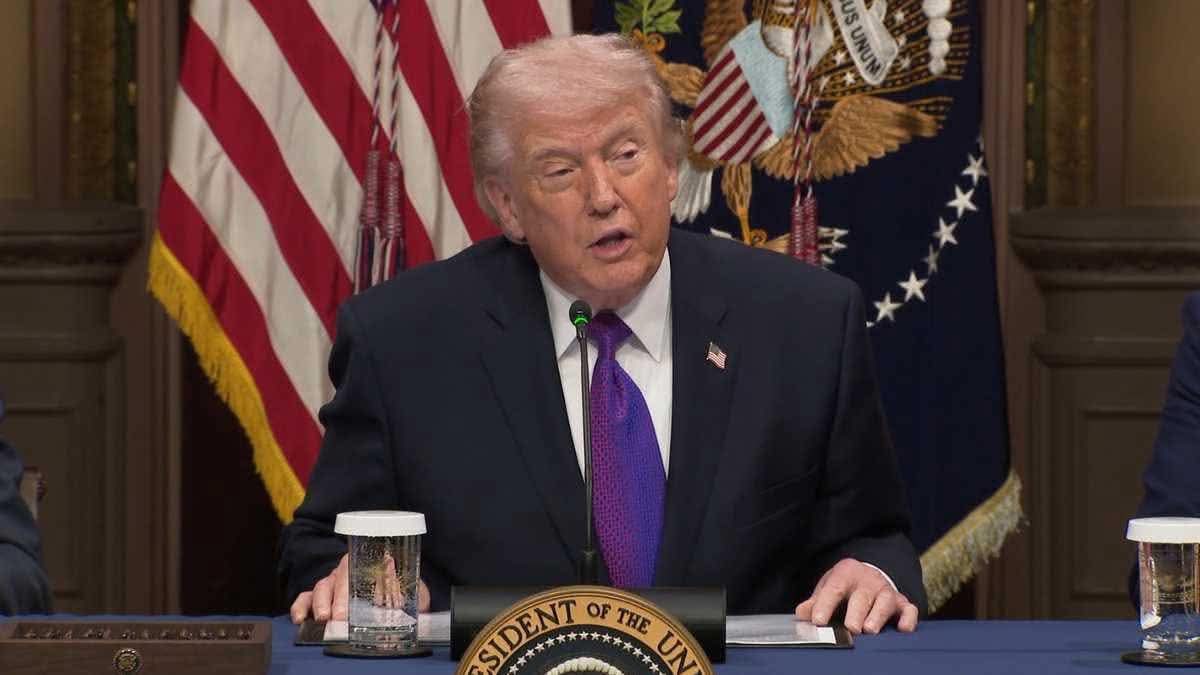
Trump’s decision has created both opportunities and risks for his administration. Supporters argue that avoiding another major war demonstrates the effectiveness of diplomatic pressure, and they point to the pause as evidence that strong negotiation tactics can force opponents back to the table.
Critics, however, warn that announcing a military pause without a completed agreement could weaken US leverage. If talks collapse, Washington could find itself returning to the same difficult choices it faced before the strikes were delayed.
The president now faces pressure to prove that the diplomatic opening can produce something concrete. A failed negotiation could revive calls for military action, while a successful agreement could become a major foreign policy achievement.
A Fragile Window That Could Close Quickly
The current situation remains highly uncertain. The planned strikes may have been delayed, but the underlying disputes between the United States and Iran remain unresolved.
Diplomacy has created a narrow opportunity, but history shows how quickly US-Iran negotiations can break down. Previous attempts at agreements have struggled because of disagreements over nuclear restrictions, sanctions, military influence, and regional security concerns.
For now, the world is watching whether this latest pause becomes the beginning of a diplomatic breakthrough or the start of another dangerous phase. The answer will shape whether tensions ease or return with greater force.
The coming days could determine whether the Iran crisis moves toward a negotiated settlement or enters another dangerous phase. Trump’s call to stop strikes has changed the immediate direction of the conflict, but the central question remains: can a brief pause become a lasting peace?