10 Important Things People Pretend to Understand Because the Vibe Feels Enough
Some words enter adult life like mysterious house guests. You hear them in meetings, news reports, rental agreements, bank apps, government speeches, and serious conversations, where everyone nods as if they were born understanding them. Nobody wants to be the person who stops the room and says, “Wait, what does that actually mean?”
So we survive on vibes. We hear a word like infrastructure and imagine bridges, roads, pipes, maybe a construction worker in a neon vest, then we move on. We hear the sound of the supply chain and picture boxes moving somewhere far away. We hear interest rates and simply know they are bad when people complain about them.
The problem is that many of these boring-sounding things quietly control daily life. They decide why your rent rises, why groceries cost more, why your phone bill feels suspicious, why traffic never ends, and why your city seems to break down during one heavy rain. Here are ten things many people act like they understand, even though most have never really checked what they mean.
Infrastructure
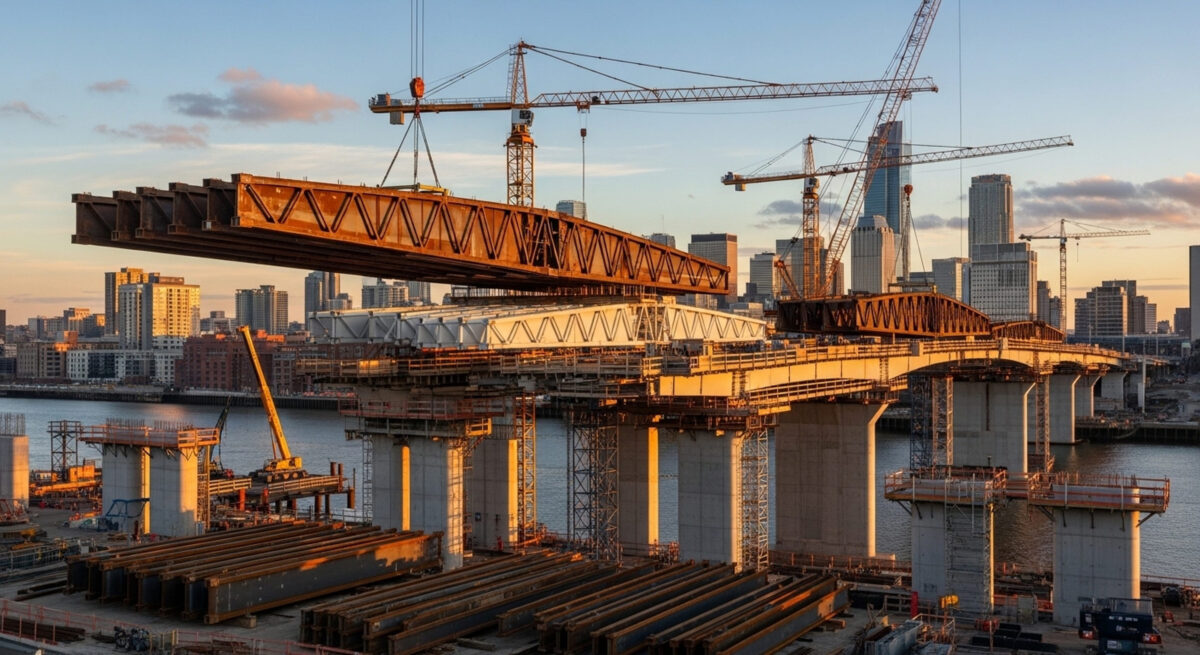
Infrastructure sounds like one of those words politicians use when they want to look serious near a bridge. At its simplest, it means the basic systems that allow a society to function. Roads, bridges, water pipes, electricity grids, internet cables, ports, airports, drainage systems, railways, and public buildings all fit inside the world.
The funny thing is that people usually notice infrastructure only when it fails. You do not think about drainage until the street floods. You do not think about power grids until the lights go out. You do not think about roads until potholes start treating your car like a personal enemy. Infrastructure is the invisible skeleton of everyday life, and when it gets weak, everything else starts limping.
Supply Chain

People have been saying ‘supply chain’ more loudly in recent years, but many still treat it like a fancy phrase for delivery problems. It is bigger than that. A supply chain is the entire journey a product takes before it reaches you, from raw material to factory, warehouse, ship, truck, store shelf, and finally your hand.
That cheap T-shirt, phone charger, cereal box, or bottle of shampoo may have crossed several countries before you bought it. One delay at a port, one factory shutdown, one fuel price jump, or one parts shortage can affect the final price. Supply chains are why something can be available one week, overpriced the next, and mysteriously missing after that. It is not magic. It is a long chain, and one broken link can annoy millions of people.
Zoning Laws
Zoning laws sound painfully dull until you realize they shape the places people live, work, shop, and complain about rent. These laws decide what can be built in different areas. One neighborhood may allow only single-family homes. Another may allow apartments, shops, offices, factories, or mixed-use buildings.
This matters because zoning can affect housing prices, traffic, business growth, and even social life. If a city makes it hard to build apartments, housing can become scarce and expensive. If shops are pushed far from homes, people need cars for nearly everything. Zoning is one reason some neighborhoods feel walkable and lively, while others feel like you need a full survival plan just to buy milk.
Interest Rates
Interest rates are one of those adult phrases people pretend to understand because the news says them with confidence. An interest rate is basically the cost of borrowing money or the reward for saving it. When you borrow money through a credit card, car loan, mortgage, or personal loan, interest is the extra money you pay back on top of what you borrowed.
The tricky part is that interest rates affect more than bank accounts. They influence home prices, business loans, credit card debt, job growth, and even consumer spending. When rates rise, borrowing becomes more expensive. That can slow down buying, building, and investing. When rates fall, borrowing becomes cheaper, but prices can climb if everyone rushes to buy. It sounds like a banker’s problem until your rent, loan, or savings account gets involved.
Inflation

Inflation is often explained as prices going up, which is true, but that is only the surface. Inflation means money loses some of its purchasing power over time. If the same amount of cash buys fewer groceries, less fuel, or fewer household items than before, inflation is doing its quiet little robbery.
People feel inflation emotionally before they understand it technically. The grocery cart looks the same, but costs more. A small restaurant order suddenly feels dramatic. Rent renewals arrive like threats in an envelope. Inflation is not just about expensive eggs or fuel. It changes how families budget, how workers negotiate pay, and how people decide what counts as a necessity.
Credit Scores
A credit score can feel like a mysterious grade given by invisible adults in suits. In reality, it is a number that helps lenders judge how risky it may be to lend money to someone. It is influenced by payment history, debt levels, length of credit history, types of credit, and recent applications.
The annoying part is that credit scores can affect more than loans. They can influence mortgage approvals, car financing, credit card limits, insurance costs, and sometimes rental applications. A person can be responsible with cash and still struggle with credit if they have little history. That is what makes the system confusing. It rewards certain financial behaviors, but it does not always measure real-life discipline in a simple or fair way.
Insurance Deductibles

Many people buy insurance, see the word deductible, and quietly hope they never have to understand it. A deductible is the amount you pay out of pocket before your insurance starts covering a claim. If your car repair costs money after an accident, your deductible is your share before the insurance company pays the rest, depending on your policy.
This is where cheap insurance can become sneaky. A lower monthly payment may come with a higher deductible, meaning you save a little each month but pay more when trouble hits. Health insurance, car insurance, home insurance, and travel insurance all use terms that can sound simple until an emergency arises. The real lesson is brutal but useful. Insurance is not just about having coverage. It is about knowing what the coverage actually does.
The Cloud
People talk about the cloud as if it were a soft, magical place where photos, documents, and passwords float peacefully above Earth. It is not. The cloud simply means that data is stored on someone else’s servers instead of just on your personal device. These servers live in real buildings called data centers, filled with machines that need electricity, cooling, security, and constant maintenance.
So when your phone says your photos are in the cloud, they are not floating in the sky. They are sitting in powerful storage systems owned by companies. This matters because cloud storage affects privacy, access, cost, and control. If you stop paying, forget a password, lose access to an account, or trust the wrong service, your digital life can become harder to reach than you expected.
Cybersecurity
Cybersecurity sounds like something reserved for tech people in dark rooms with six monitors. In everyday life, it simply means protecting devices, accounts, networks, and data from digital attacks. Passwords, two-factor authentication, antivirus tools, software updates, and careful browsing are all part of it.
The reason people should care is simple. Modern life is full of digital doors. Banking apps, email accounts, work platforms, medical portals, shopping accounts, and social media profiles all hold personal information. A weak password or careless click can open the wrong door to the wrong person. Cybersecurity is no longer a nerd topic. It is basic home security for your digital house.
Public Transit
Public transit is easy to ignore if you drive everywhere, but it quietly shapes cities. Buses, trains, subways, ferries, and light rail systems move people who may not own cars, cannot drive, or simply prefer cheaper travel. Strong public transit can reduce traffic, improve job access, support local businesses, and make cities easier to live in.
Weak public transit does the opposite. It traps people into expensive car dependence. It makes simple trips longer. It limits job options for people without reliable vehicles. It also adds pressure to roads because everyone is forced into traffic at the same time. Public transit is not just about buses arriving late. It is about freedom, access, and the cost of daily life before the day even begins.
Fine Print
Fine print is not one thing, but it deserves a place on this list because people ignore it with heroic confidence. It appears in contracts, subscriptions, warranties, job offers, loans, leases, apps, and refund policies. Fine print often explains the real rules after the big friendly headline has done its job.
That free trial may become a monthly charge. That unlimited plan may have limits. That apartment lease may include fees you did not expect. That warranty may exclude the exact problem you have. Fine print is where companies hide the details they hope you are too tired to read. Understanding it may not feel exciting, but neither does paying for something you never agreed to.
Conclusion
The strange truth about adulthood is that many powerful things arrive dressed in boring language. Infrastructure, zoning, inflation, deductibles, supply chains, and cybersecurity do not sound glamorous, but they shape the world more than most trending topics ever will. They decide how cities work, how money moves, how safe your information is, and how much control you really have over daily life.
Nobody understands everything, and pretending is one of the oldest social survival skills. Still, there is power in stopping for a moment and asking, “What does this actually mean?” That one question can save money, reduce confusion, expose hidden rules, and make the world feel less like a machine designed by strangers. Sometimes the vibe is enough for conversation, but real understanding is what keeps you from being quietly played by systems you never bothered to check.