Tourist Hotspots That Leave Visitors Quietly Disappointed After the Hype
Some places are famous not because they deliver unforgettable experiences, but because they photograph well, trend well, or sit deep in cultural memory. The problem shows up when expectation arrives faster than reality.
These are the destinations where millions still show up every year, yet leave wondering whether the detour, the cost, or the hype was actually worth it.
Times Square: 300,000 People a Day, But Little Room to Breathe
Times Square draws roughly 300,000–330,000 pedestrians daily, making it one of the most congested tourist zones in the United States. The digital billboards alone generate billions of monthly impressions, making it feel like a city inside a screen.
But the reality on the ground is different.
Visitors often spend under 45 minutes here, not because there isn’t enough to see, but because there is too much happening at once. Noise levels regularly exceed 90 decibels, and foot traffic can feel more like navigating a crowd than sightseeing.
The disappointment isn’t the visuals. It’s the feeling of standing in a place designed to sell attention, not hold it.
Hollywood Walk of Fame: 2,700 Stars, One Long Sidewalk Reality Check
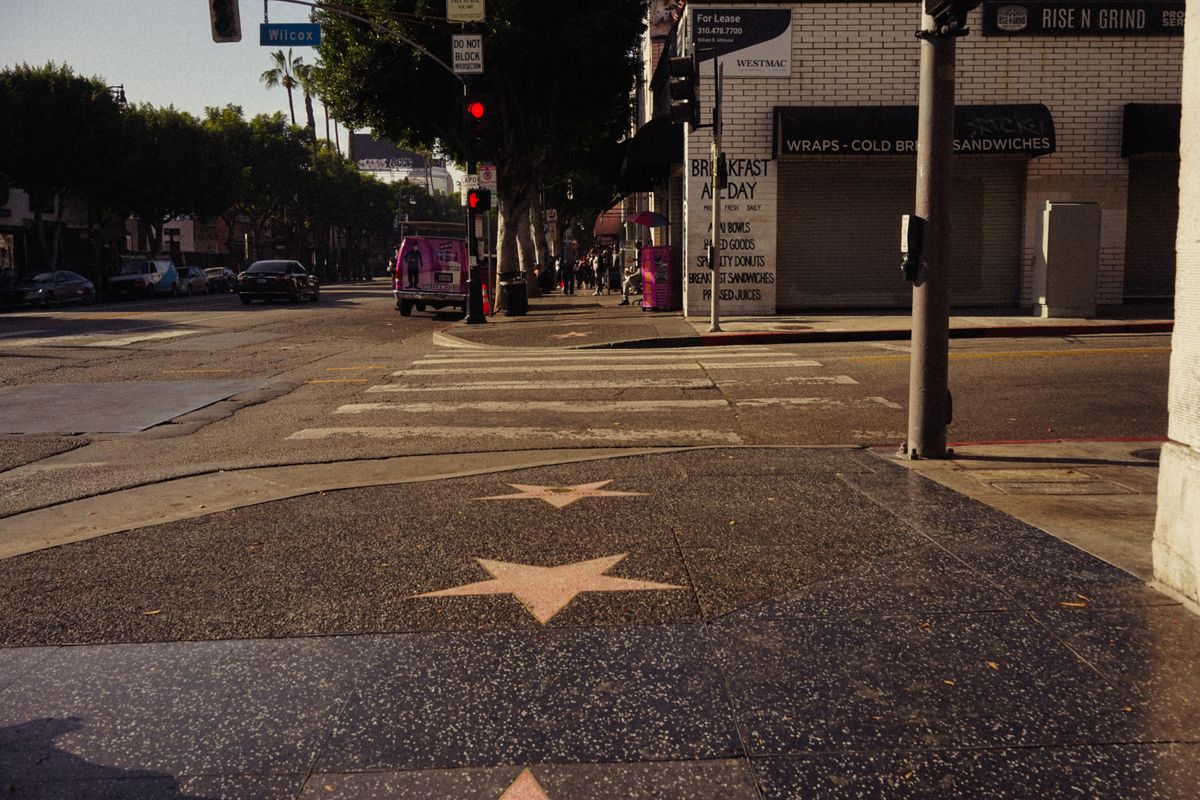
With more than 2,700 brass stars embedded into Hollywood Boulevard, the Walk of Fame sounds like a glamorous timeline of entertainment history. In practice, it’s a crowded sidewalk bordered by traffic, souvenir shops, and constant movement.
Daily foot traffic can exceed 10,000–15,000 visitors, especially near TCL Chinese Theatre, where most tourists cluster.
The average visit lasts under 30 minutes, and for many, that’s enough.
What disappoints visitors isn’t the idea; it’s the contrast. Hollywood sells a fantasy of stardom, but the sidewalk delivers urban chaos wrapped in nostalgia.
Plymouth Rock: A 400-Year Story Told by a Single Stone
Plymouth Rock carries nearly four centuries of symbolism, often framed as the landing point of the Pilgrims in 1620. Yet when visitors arrive, they’re met with something surprisingly small, just a modest rock protected under a granite canopy.
There’s no grand monument. No dramatic reveal. No cinematic weight.
The disappointment is almost mathematical: centuries of expectation compressed into a single object you can walk past in seconds.
Most travelers spend under 10–15 minutes here before moving on to nearby attractions like the harbor or Mayflower II, places that actually carry the emotional weight the rock cannot.
Four Corners Monument: 4 States, 1 Photo, 10 Minutes of Reality
Standing in Arizona, Utah, Colorado, and New Mexico at the same time sounds like a bucket-list moment. In reality, it often takes less than 15 minutes to experience.
Annual visitor numbers hover around 250,000, most arriving for a single photo at the circular platform marking the intersection.
Entry fees typically run around $8–$10 per person, and unlike nearby national parks, passes like America the Beautiful are not accepted.
The issue isn’t authenticity; it’s scale. The journey feels longer than the reward, especially for travelers who detour for hours just for a quick snapshot.
The Original Starbucks: 50 Years of Legacy, 50 Minutes of Waiting
Founded in 1971, the original Starbucks at Pike Place Market attracts thousands of daily visitors, many expecting a deeper, more immersive experience of coffee history.
Instead, they often find a small shop under 1,000 square feet, long lines that can stretch 30–60 minutes, and a visit that lasts only a few minutes inside.
The irony is sharp: the world’s most famous coffee origin story now functions more like a photo stop than a café experience.
Most visitors leave quickly, not because it’s bad, but because the reality is indistinguishable from any other busy coffee counter once you’re inside.
Roswell UFO Attractions: 1 Incident, Endless Souvenirs
Roswell’s entire tourism identity is built around the 1947 UFO incident, drawing an estimated 150,000–200,000 visitors annually.
The International UFO Museum is the main draw, but many travelers expecting cinematic-level revelations instead encounter exhibits heavy on documents, theories, and memorabilia.
Most visits last under 90 minutes, and reactions vary sharply.
For believers and kitsch lovers, it’s fun. For skeptics expecting answers, it often feels like a long detour into themed retail wrapped around a decades-old mystery.
Wall Drug: 2 Million Visitors, But Built on Billboards More Than Experience
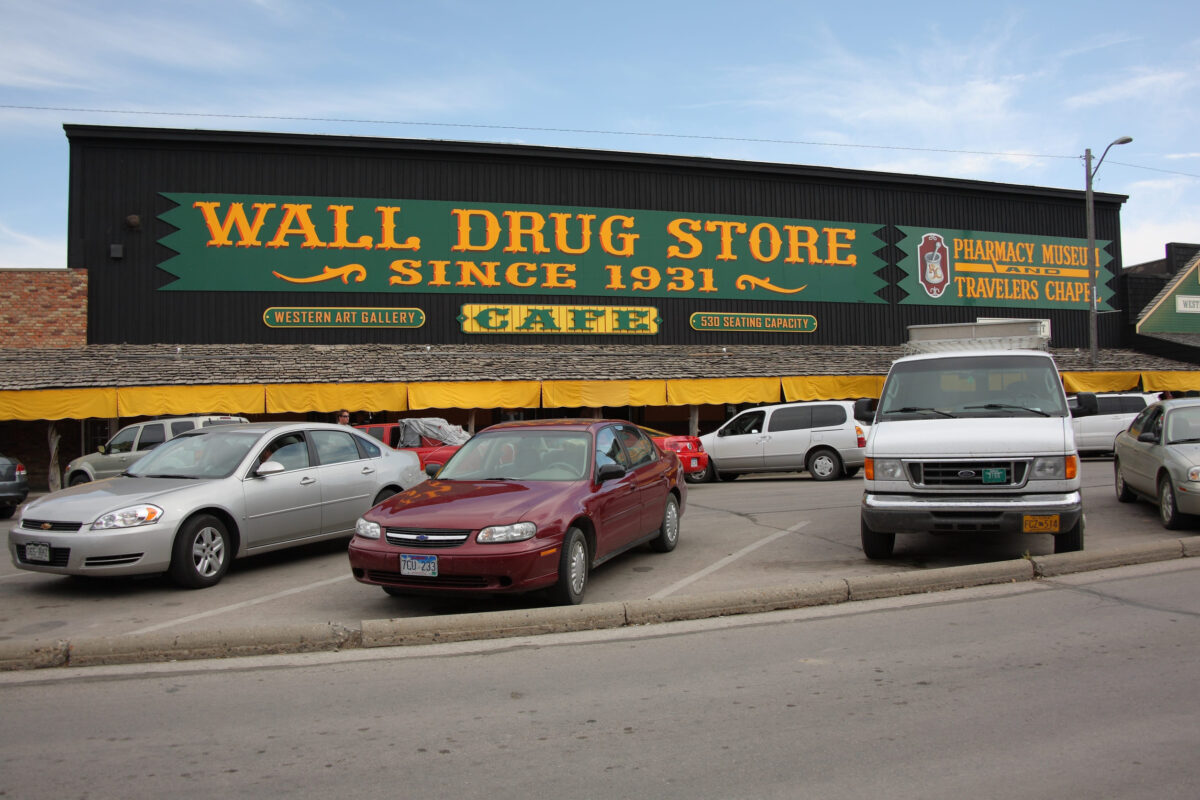
Wall Drug in South Dakota is a masterclass in anticipation marketing. Over 300 roadside billboards stretch across hundreds of miles, pulling travelers in long before they arrive.
Once inside, visitors find a sprawling mix of gift shops, diners, and Western-themed displays.
It attracts about 2 million visitors annually, yet most stop for under 45 minutes.
The disappointment isn’t confusion; it’s expectation. The journey builds a monument in your mind that the actual stop can’t fully match.
South of the Border: 70 Years of Roadside Hype, 1 Short Stop
South of the Border has been pulling drivers off I-95 for more than 70 years, fueled by neon signage, humor-driven marketing, and constant highway advertising.
But the actual experience often lasts under one hour, with most visitors treating it as a rest stop rather than a destination.
The site includes themed shops, eateries, and attractions, but for many, it feels more like a visual punchline than a full travel experience.
The disappointment comes from scale: the billboard promises a spectacle, the stop delivers a pause.
Plymouth Rock to Times Square: The Same Pattern Repeats
Across all these destinations, the pattern stays strikingly consistent: high visibility backed by powerful cultural or historical branding, which naturally builds massive visitor expectations long before arrival. Yet once on-site, the reality often shifts short engagement windows, quick photo-driven visits, and experiences that feel lighter than the narratives surrounding them.
Whether it’s a modest rock tied to 17th-century history or a neon-lit Manhattan intersection that dominates global media, the disappointment rarely comes from the place itself. It comes from the gap between what travelers imagine and what the experience actually delivers when they finally get there.
Final Thought: The Gap Between Fame and Feeling
The most disappointing tourist attractions in America are not empty. They are overloaded—with meaning, marketing, and expectation.
But travel is not measured in reputation. It is measured in time well spent.
And when a place gives you only a photo when you expected a moment, that gap is where disappointment quietly lives.