8 Breakfast Foods From the 1950s That Would Shock Today’s Nutritionists
Breakfast in the 1950s was a serious meal. Fathers sat down before work, children ate before walking to school, and mothers were up before everyone else to get it all on the table. The idea of grabbing a granola bar on the way out the door would have seemed strange.
The food on that table was hearty, filling, and very different from what dietitians recommend now. Bacon grease was saved in a can by the stove, butter went on everything, and sugar was rarely measured carefully. Nobody counted calories at seven in the morning.
Many people who grew up in that era remember those breakfasts fondly, and some still eat them. Here are eight breakfast foods from the 1950s that would raise more than a few eyebrows among today’s nutritionists.
1. Eggs Fried in Bacon Grease
The classic 1950s breakfast began with a skillet of bacon. Once the strips were crisp, they were set aside, and the eggs went straight into the hot, sizzling fat. Many cooks spooned the grease over the yolks to cook the tops.
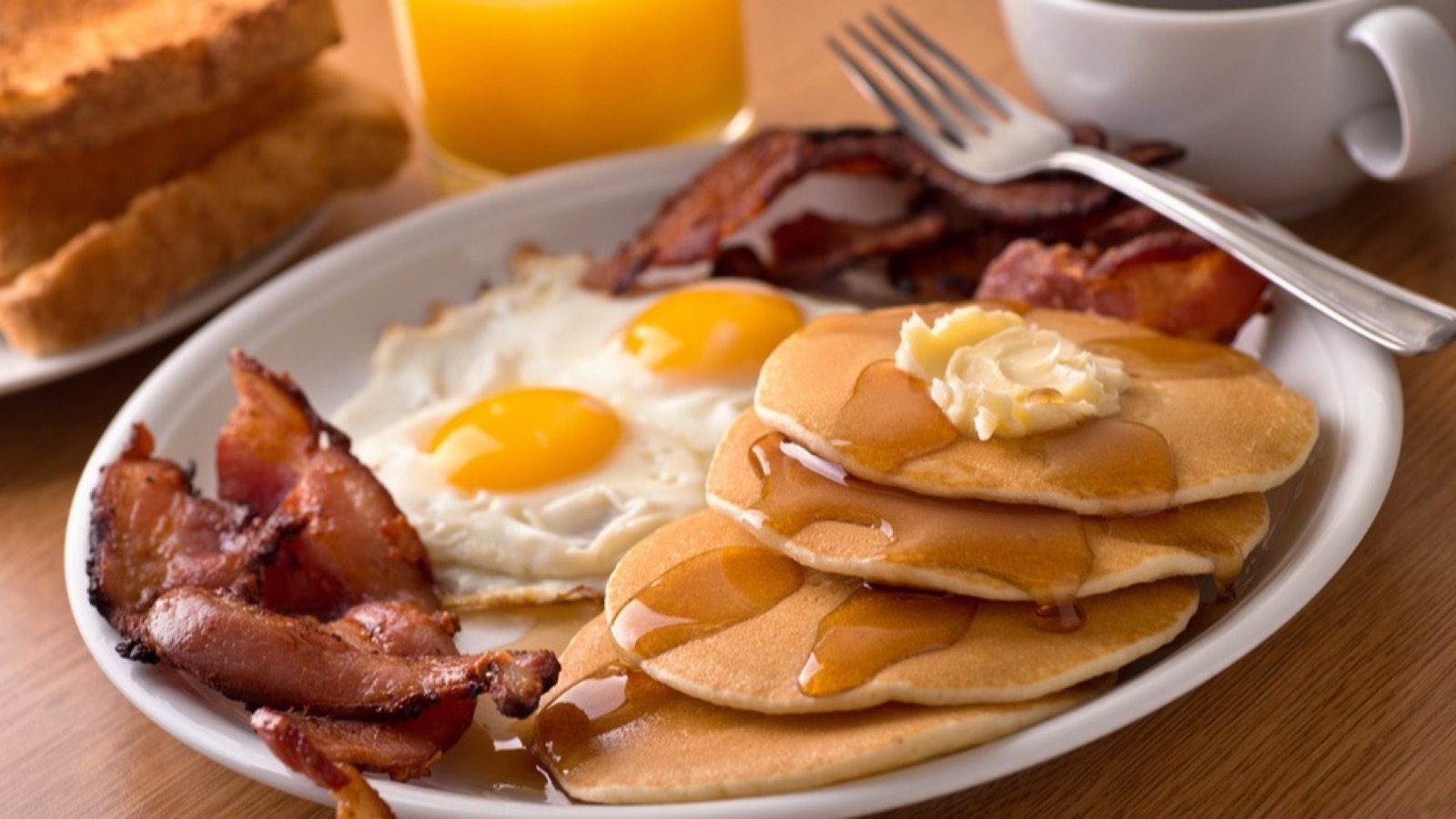
The eggs were delicious, but they soaked up a great deal of fat. The American Heart Association now advises limiting saturated fat to protect heart health. Eggs themselves are seen more kindly today, but the bacon grease is another matter.
2. Sugar-Coated Cereals
The 1950s saw an explosion of pre-sweetened breakfast cereals. Sugar Frosted Flakes, Sugar Smacks, and Sugar Pops all arrived in that decade, with the word “sugar” proudly printed in their names. Cartoon mascots on television made sure children begged for them.
Many children added an extra spoonful of sugar on top anyway. Cereal had started as a health food, as History.com explains, but by the 1950s, the sweetened versions were more like dessert. Several brands later dropped “sugar” from their names as attitudes changed.
3. Buttered White Toast With Jam
Every 1950s breakfast came with a stack of toast. It was made from soft, white sandwich bread, spread thickly with butter or margarine, and topped with grape jelly or strawberry jam. Some families ate four or five slices each.
White bread was considered modern and pure in those days. Nutritionists now encourage whole grains instead, because they contain more fiber and nutrients. The heavy layer of butter and sweet jam only adds to the concern.
4. Sausage Gravy and Biscuits
In the South and the Midwest, a plate of biscuits smothered in sausage gravy was a common way to start the day. The gravy was made from crumbled pork sausage, its fat, flour, and whole milk. It was thick, peppery, and extremely filling.
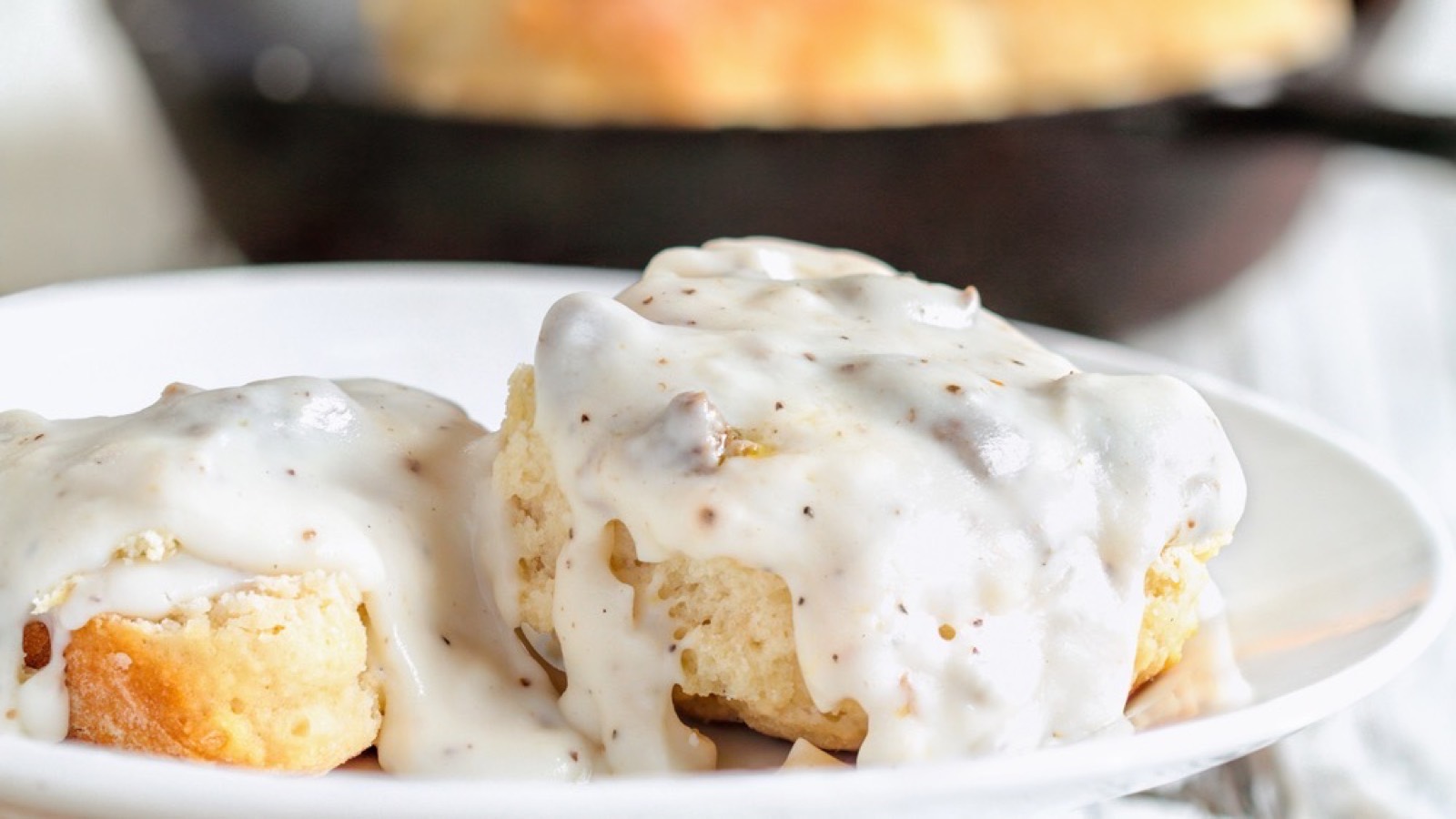
This meal was designed for people who did hard physical work on farms and in factories. Most office workers today burn far fewer calories. A single serving can contain a large share of a day’s fat and sodium.
5. Fried Bologna and Scrapple
Fried meats beyond bacon were common breakfast foods in many regions. A slice of bologna was fried until it curled up at the edges and served with eggs or on toast. In Pennsylvania and nearby states, scrapple, a loaf of pork scraps and cornmeal, was sliced and fried until crispy.
These meats were cheap and stretched the family budget. Health experts now advise limiting processed meats, which are high in salt and preservatives. Still, many people say nothing smells quite like fried bologna on a Saturday morning, a habit found among other weird old-fashioned foods boomers still enjoy.
6. Pancakes Swimming in Syrup and Butter
Pancakes were a weekend treat in most homes. They were made from scratch or from a box, stacked high, and topped with a pat of butter that melted down the sides. Then came the syrup, poured until it pooled on the plate.
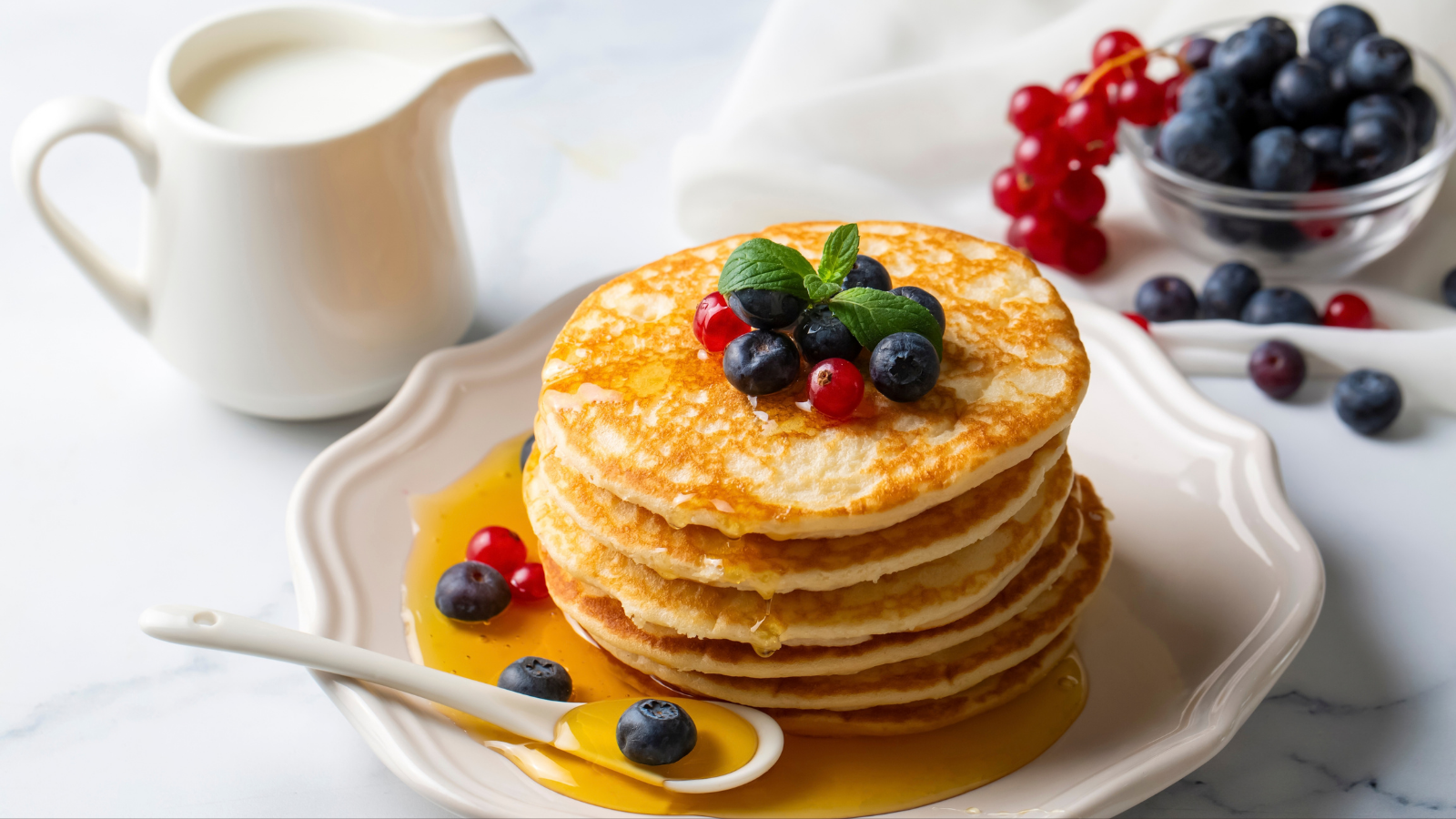
The syrup was often a corn syrup blend rather than pure maple syrup. A big stack could hold a remarkable amount of sugar. Many people still love breakfast classics like this, but nutritionists suggest smaller portions and fruit on top.
7. Donuts and Coffee Cake
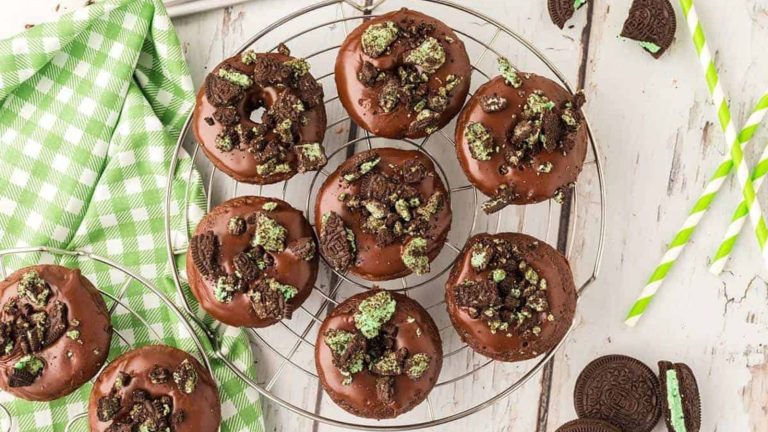
Many fathers grabbed a donut on the way to work, and many mothers kept a coffee cake on the counter for the week. Sweet pastries were often considered a perfectly normal breakfast for adults. They were served alongside cup after cup of strong coffee.
These treats were heavy on sugar, white flour, and fat. Today, experts recommend a breakfast with protein and fiber to keep energy steady through the morning. A donut and coffee would be seen as a recipe for a mid-morning crash.
8. Whole Milk by the Glass
A tall glass of whole milk was served at nearly every breakfast table. Children were told it would make their bones strong, and many adults drank it too. The milkman brought fresh bottles to the door several times a week.
Milk does provide calcium, protein, and vitamin D. But whole milk is also high in saturated fat, which is why the National Institute on Aging and other health agencies point most adults toward low-fat or fat-free dairy. The full-fat glass of the 1950s has become a point of debate among experts.
Why People Ate This Way
Breakfast in the 1950s reflected how people lived. Many men did manual labor, and children walked to school and played outside for hours. A big, rich breakfast provided the energy they needed for the day.
Breakfast was also a family gathering. Everyone ate at the same time, often at the kitchen table before the school bus came. Mothers saw a hot breakfast as part of caring for their families, and serving cold cereal alone could feel like cutting corners. That expectation shaped what went on the plate.
There was also a sense of abundance after the hardships of the Depression and wartime rationing. Being able to put meat, butter, and sugar on the table every morning felt like a luxury. Families were proud to eat well, and portion sizes reflected that.
What Nutritionists Would Say Now
Today’s experts would recommend many changes. They would suggest whole grain bread, fruit, yogurt, and less processed meat. They would also urge people to cut back on added sugar and saturated fat.
Yet many of those who grew up on these breakfasts lived long and active lives. They ate home-cooked meals, moved constantly, and rarely snacked between meals. Did your family eat a big breakfast every morning, and which of these foods do you still enjoy today?