10 Risky Foods That Can Make You Sick Fast
Food poisoning does not usually announce itself with a warning label. It can hide in a beautiful salad, a juicy burger, a chilled fruit tray, or a plate of seafood that looked perfectly fine at dinner. One careless step in washing, cooking, storing, or serving food can turn an ordinary meal into a miserable night of stomach cramps, nausea, vomiting, or worse.
The tricky part is that risky foods are not always the junky ones. Some of the healthiest items in the grocery cart, including leafy greens, fruit, eggs, seafood, and sprouts, can cause trouble when bacteria, viruses, or parasites get the chance to grow. That does not mean you need to eat in fear. It means you need to know where the danger hides.
The best defense is not panic. It is a smarter handling. These are the foods most likely to make you sick when they are washed poorly, cooked lightly, stored too long, or left sitting out when they should be chilled.
Leafy Greens Can Carry More Than Crunch
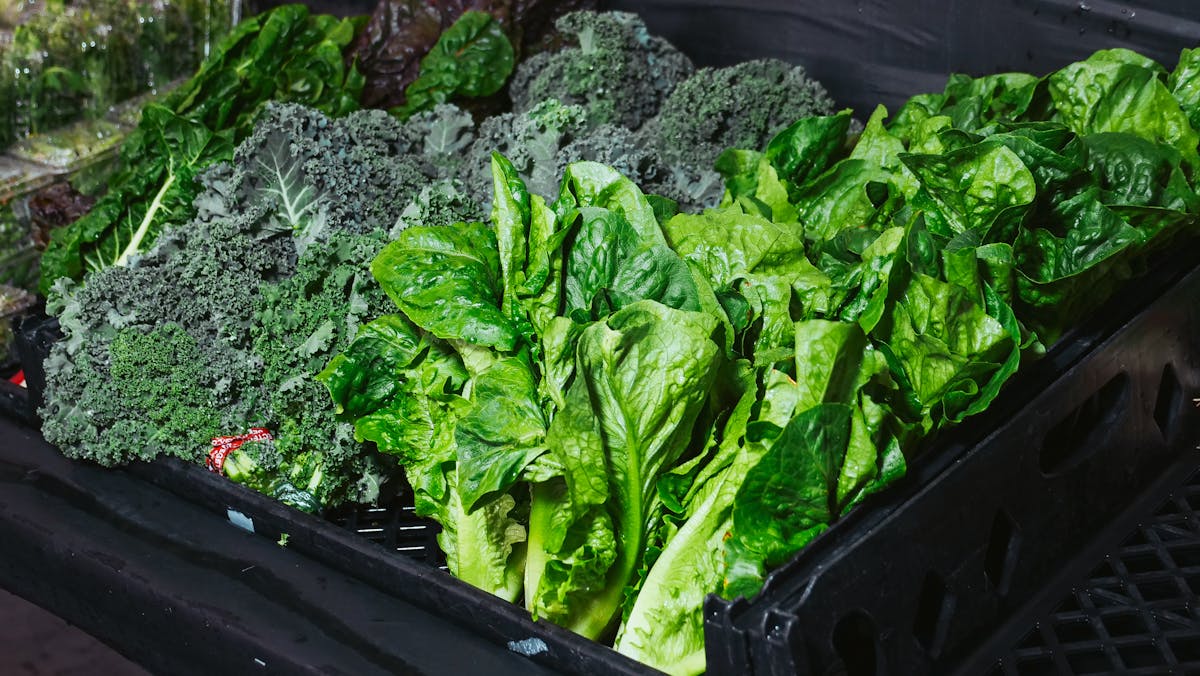
Spinach, lettuce, kale, cabbage, and mixed salad greens look clean because they look fresh. That is the trap. Leafy greens can pick up germs from soil, irrigation water, animals, processing equipment, or human handling before they ever reach your kitchen. Once those leaves are chopped, bagged, and eaten raw, there is no cooking step to kill harmful germs.
The safest move is to wash loose greens under running water and keep them cold until you are ready to eat. Prewashed greens do not need to be washed again unless the package says otherwise, because extra handling can actually add new germs. Toss slimy, bruised, or old greens quickly. A salad should taste crisp, not gamble with your stomach.
Undercooked Chicken Is A Classic Food Poisoning Villain
Chicken is one of the most underestimated foods. It can look done on the outside and still be unsafe inside, especially near the bone or in thick pieces. The problem gets worse when raw chicken juices touch cutting boards, knives, sinks, countertops, or ready-to-eat foods like salad and bread.
Do not rinse raw chicken in the sink because splashed water can spread germs around the kitchen. Use a food thermometer and cook chicken to a safe internal temperature instead of guessing by color. Keep raw poultry away from everything else, wash your hands after touching it, and clean surfaces immediately. Chicken should be juicy, not risky.
Ground Beef Can Fool You If You Trust Color Alone
Ground beef is riskier than a whole steak because grinding can spread bacteria throughout the meat. A burger may turn brown before the center reaches a safe temperature, which makes color a poor safety guide. That is why a pink or undercooked burger can be a bigger gamble than many people realize.
The smarter approach is to use a thermometer and cook ground beef thoroughly. Keep raw ground meat on the bottom shelf of the fridge so juices cannot drip onto other foods. If the package smells sour, feels slimy, or has been sitting too long, do not try to rescue it with seasoning. A cheap burger is not worth a food poisoning episode.
Eggs Can Turn Breakfast Into A Bathroom Emergency
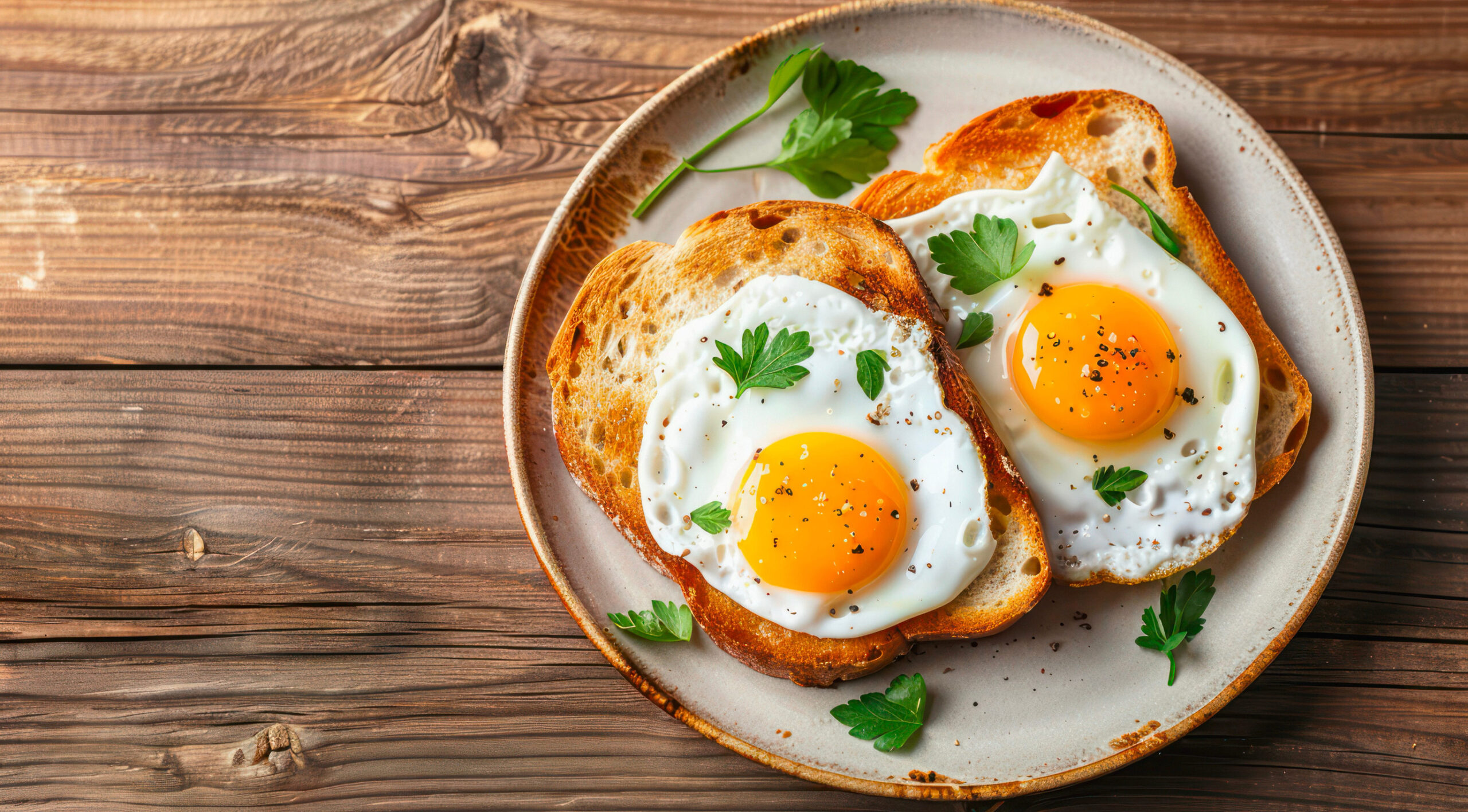
Eggs seem harmless because they are so common, but raw or lightly cooked eggs can still carry risk. Runny yolks, homemade mayonnaise, cookie dough, Caesar dressing, and certain desserts can become a problem when eggs are not handled safely. The danger increases for children, older adults, pregnant people, and anyone with a weaker immune system.
Cook eggs until the whites and yolks are firm when safety matters most. Keep eggs refrigerated, avoid cracked shells, and do not leave egg dishes sitting out for long periods. If a recipe calls for raw or barely cooked eggs, pasteurized eggs are the safer choice. Breakfast should start your day, not ruin it.
Raw Milk Is A Risky Trend With Real Consequences
Raw milk may sound natural, but natural does not always mean safe. Unpasteurized milk can carry dangerous germs that cause serious illness. The risk can extend to raw-milk cheeses, especially soft cheeses, because they may allow harmful bacteria to survive or grow.
Pasteurization exists for a reason. It lowers the risk without taking away milk’s basic nutritional value. Anyone with a higher risk of severe foodborne illness should be especially careful with raw milk and unpasteurized dairy products. A wellness trend is not worth days of vomiting, fever, and dehydration.
Sprouts Are Tiny But Surprisingly Risky
Sprouts have a healthy image, but they grow in warm, moist conditions that bacteria love. Alfalfa, bean, clover, and radish sprouts can carry germs inside the seed before they even begin to grow. Washing may reduce dirt, but it may not remove bacteria hiding inside the sprout.
Cooking sprouts until steaming hot is the safest choice, especially for people at higher risk. Raw sprouts on sandwiches, salads, wraps, and smoothie bowls may look harmless, but they deserve caution. If you want the crunch without the risk, choose safer vegetables or cook the sprouts first. Tiny toppings can still cause big problems.
Seafood Can Go Bad Faster Than You Think
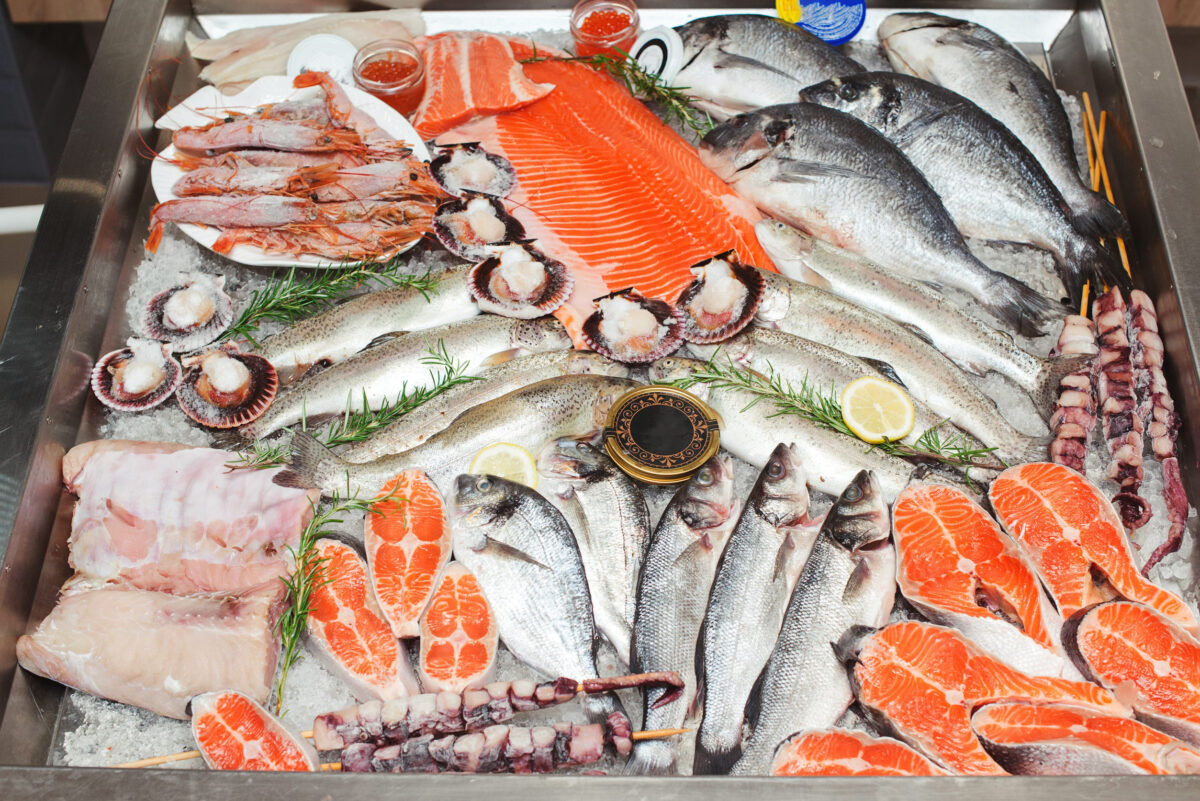
Fish and shellfish are delicate foods that need careful storage. When seafood is kept too warm, handled poorly, or served undercooked, it can become risky quickly. Raw oysters, sushi, undercooked shrimp, and improperly stored fish are especially important to treat with respect.
Fresh seafood should smell clean and mild, not sour, fishy, or ammonia-like. Keep it cold, cook it properly, and do not leave it sitting out on a buffet or picnic table. Raw shellfish carry extra risk because some germs and toxins are not obvious by sight or smell. If seafood looks suspicious, your stomach does not need proof.
Cut Melon Can Become A Bacteria Playground
A whole melon has a protective rind, but once it is cut, the rules change. Germs on the outside can move to the flesh when the knife passes through the rind. After cutting, the juicy surface gives bacteria moisture and sugar, which can help them grow if the fruit sits too long at room temperature.
Wash the outside of melons before cutting, even though you do not eat the rind. Refrigerate cut melon quickly and keep it cold until serving. Fruit trays at parties, picnics, and buffets should not sit out for hours in warm weather. Sweet fruit can turn sour in more ways than one.
Raw Flour And Dough Are Not As Innocent As They Look
Raw cookie dough gets most of the attention because of eggs, but flour itself can also carry germs. Flour is a raw agricultural product, which means it has not been treated like a ready-to-eat food. That makes raw batter, cake mix, pizza dough, and homemade play-dough riskier than people expect.
Do not taste raw dough or batter, even if it smells amazing. Bake or cook flour-based foods fully before eating them, and wash hands, bowls, and counters after handling raw flour. Kids should be watched closely when baking because little fingers often sneak a taste. The cookies will be better when they are actually cookies.
Leftovers Can Turn Against You In The Fridge

Leftovers feel safe because they were already cooked, but poor storage can change that fast. Food left out too long can enter the temperature zone where bacteria multiply quickly. Big pots of soup, rice, pasta, meat, casseroles, and takeout containers can become risky when they cool too slowly or sit forgotten in the fridge.
Refrigerate leftovers within two hours, or sooner if the room is hot. Store them in shallow containers so they cool faster, and reheat them until steaming hot. Do not rely on smell alone because some harmful germs do not make food stink. Leftovers should save money, not send you running for medicine.