8 World’s Most Corrupt Nations Right Now
Corruption rarely announces itself with a loud knock. It moves quietly through government offices, public contracts, courts, borders, police systems, elections, and public services until ordinary citizens begin to feel it in the price of food, the absence of jobs, the collapse of hospitals, and the fear of speaking up.
The latest global corruption ranking paints a harsh picture of countries where public trust has been badly wounded. These are not places where people lack talent, courage, or ambition. They are places where weak institutions, conflict, secrecy, repression, and political capture have made corruption painfully difficult to fight.
South Sudan
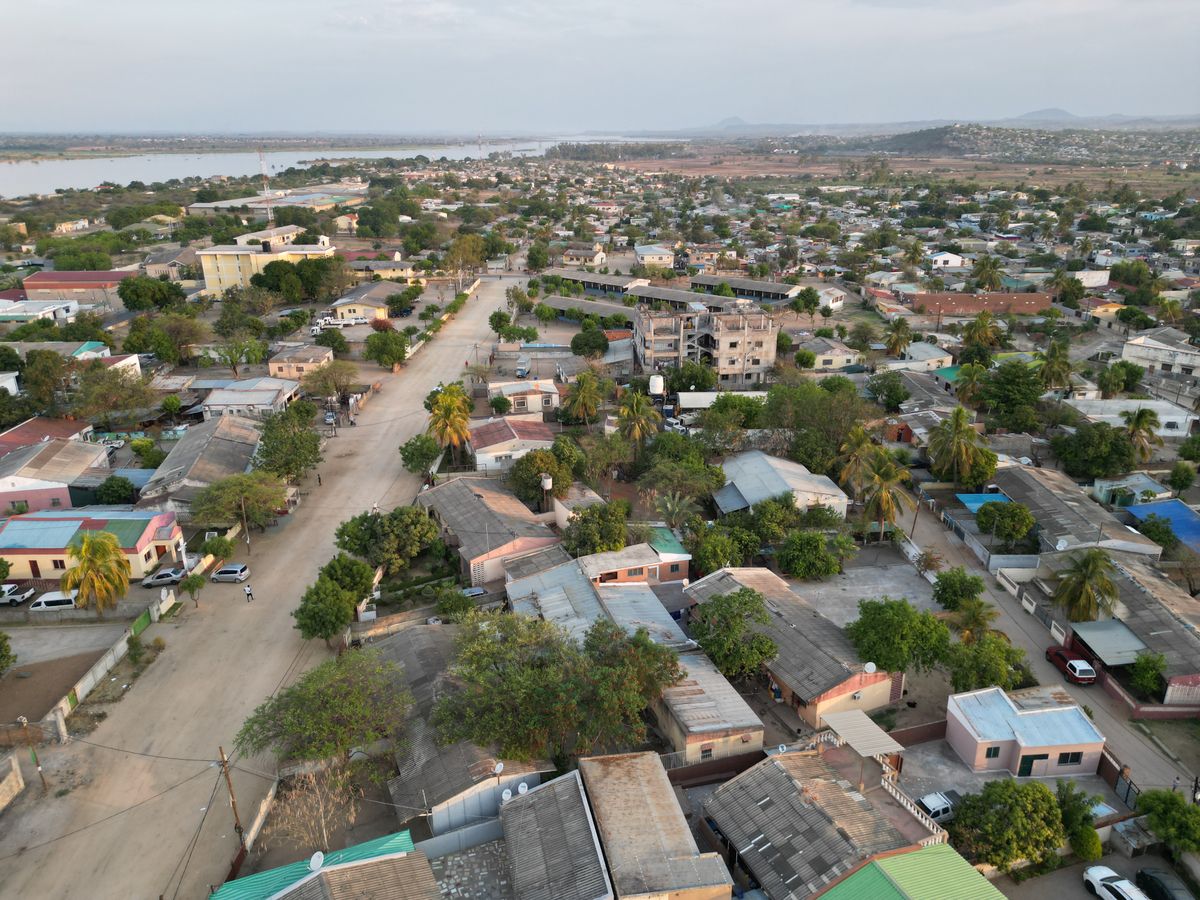
South Sudan ranks at the bottom of the global corruption ranking, with one of the weakest scores. Years of instability, conflict, elite rivalry, and fragile institutions have made public accountability extremely difficult. In countries like this, corruption is not just about stolen money. It can shape who gets food, who receives protection, who gains access to public resources, and who gets left behind.
The tragedy is that South Sudan is rich in natural resources, especially oil, yet many citizens still struggle with poverty, displacement, and weak public services. When national wealth does not turn into schools, clinics, safe roads, or reliable jobs, people begin to lose faith in the system. Corruption becomes more than a political problem. It becomes a daily survival issue.
Somalia
Somalia also ranks among the lowest-scoring countries in the world, and its challenges are deeply tied to decades of state fragility. Weak central authority, insecurity, clan-based power struggles, and militant violence have created an environment where public systems remain vulnerable. When institutions are thin, corruption can spread quickly because there are fewer checks strong enough to stop it.
Still, Somalia’s story is not only about failure. The country has shown resilience through business networks, civil society efforts, and rebuilding attempts in several sectors. The problem is that reform needs security, trust, and consistent enforcement to take root. Without those foundations, corruption keeps feeding on instability, and instability keeps giving corruption room to breathe.
Venezuela
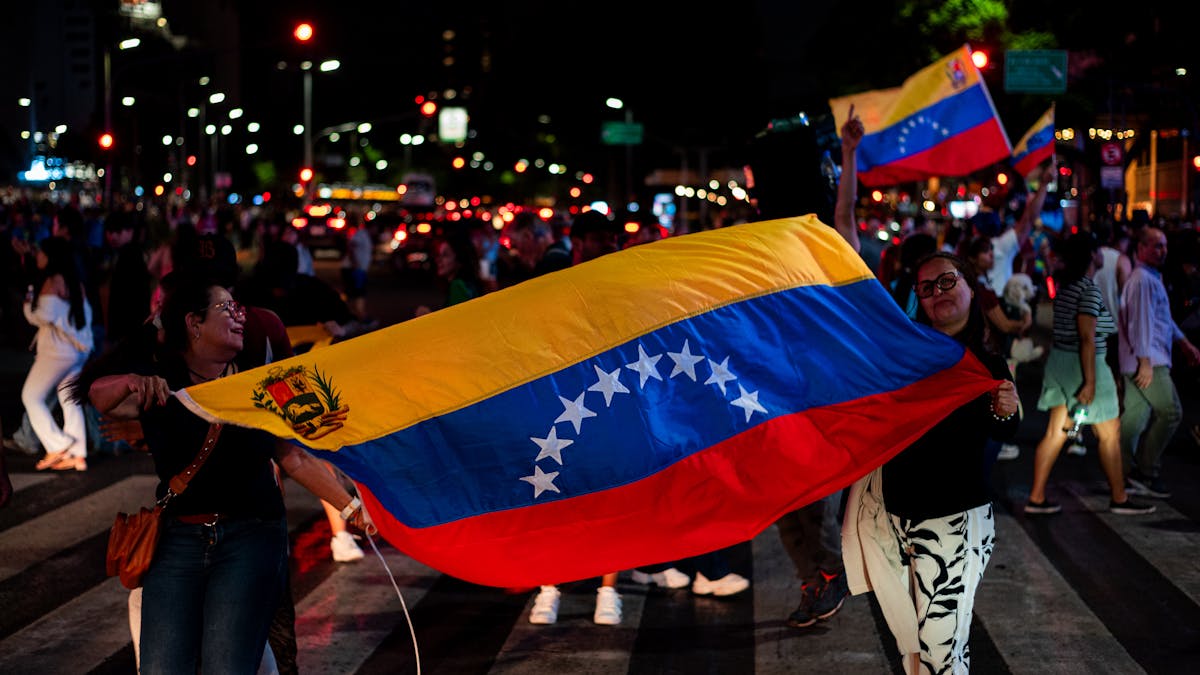
Venezuela’s corruption crisis is tied to political control, economic collapse, restricted freedoms, and weakened institutions. Once one of Latin America’s wealthiest oil producers, the country has faced years of inflation, mass migration, shortages, and deep public frustration. When state power becomes heavily centralized, public oversight often shrinks, and corruption becomes harder to expose.
The most painful part is how corruption turns national wealth into public suffering. Oil money, state contracts, import controls, and public subsidies can become tools of political loyalty rather than national development. For ordinary families, that can mean empty shelves, broken hospitals, unreliable services, and a future that feels trapped between politics and survival.
Yemen
Yemen’s corruption problem has been intensified by war, humanitarian crisis, fragmented authority, and economic collapse. When a country is divided by conflict, public institutions become weaker, and resources meant for civilians can be diverted, delayed, or controlled by competing groups. Corruption thrives in confusion because accountability becomes almost impossible to enforce.
For Yemenis, corruption is not an abstract issue discussed in policy rooms. It can affect food aid, access to fuel, medicine, salaries, and basic survival. When public trust collapses during war, even honest officials and community leaders struggle to build systems that people believe in. That is why corruption in Yemen feels especially cruel. It grows amid human suffering.
Libya

Libya remains one of the world’s most corruption-vulnerable nations because political division has weakened almost every layer of governance. Rival authorities, armed groups, oil revenue disputes, and fragile public administration have hindered transparency. When multiple power centers compete for control, public money can disappear into networks that ordinary citizens cannot question.
The country’s oil wealth should be a foundation for prosperity, but weak oversight has made it a magnet for abuse. Contracts, public salaries, banking access, and energy revenues can become battlegrounds for influence. Libya shows how corruption becomes especially dangerous when the state itself is divided. Without strong national institutions, even a wealthy country can feel poor to its people.
Eritrea
Eritrea’s low corruption score reflects a highly closed political system with limited transparency, weak public scrutiny, and restricted civic freedoms. When media, opposition voices, and independent watchdogs are limited, citizens have fewer ways to challenge abuse of power. Corruption becomes harder to measure, harder to report, and harder to punish.
The challenge in closed systems is that silence can protect the powerful. Ordinary people may see unfairness in jobs, permits, military obligations, public services, or access to opportunity, but fear can stop them from speaking openly. Corruption does not always need chaos to survive. Sometimes it only needs secrecy, fear, and institutions that answer upward instead of outward.
Sudan
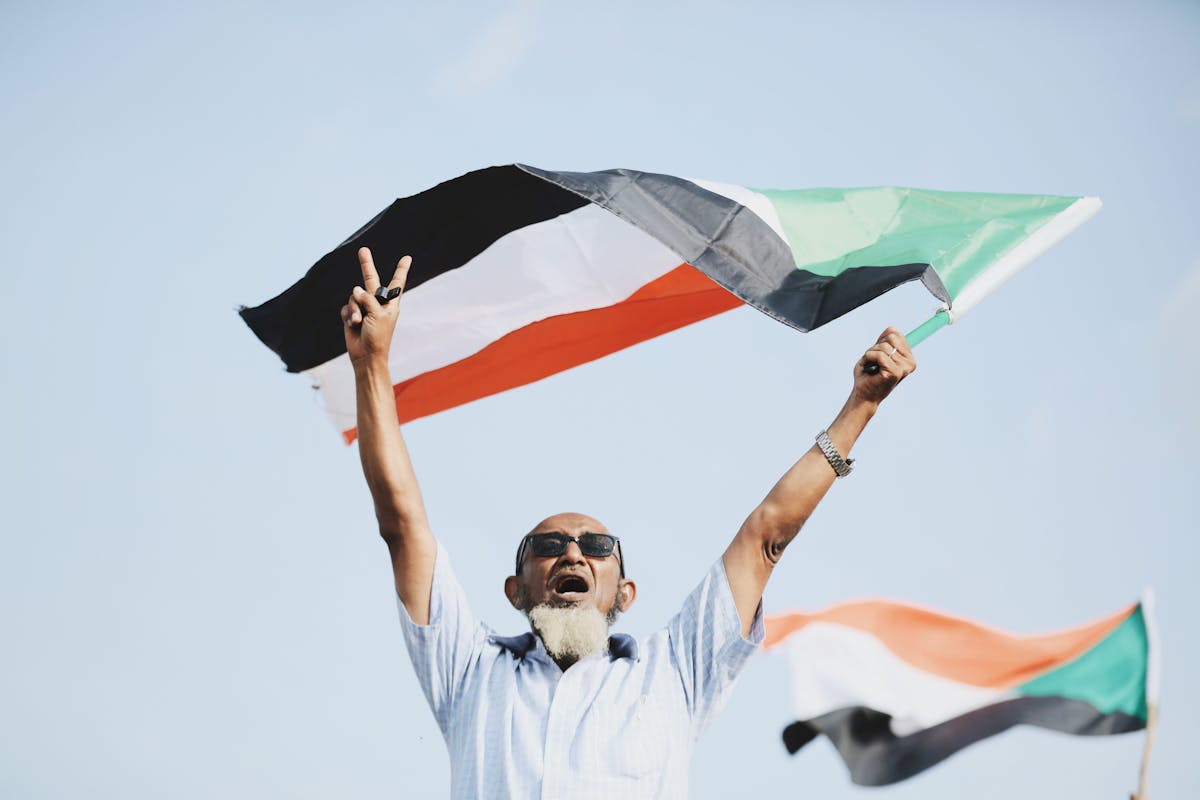
Sudan’s corruption crisis has deepened through political upheaval, armed conflict, economic hardship, and institutional breakdown. Years of authoritarian rule were followed by fragile transitions and then renewed violence, leaving public systems under enormous strain. In such conditions, corruption can become part of the machinery of power, war, and survival.
The damage spreads far beyond government offices. Corruption can undermine humanitarian aid, distort public spending, empower armed networks, and hinder recovery after a crisis. Sudan’s citizens have repeatedly shown courage in demanding better governance, but reform becomes harder when violence and instability continue to tear institutions apart. The result is a country where the public hope keeps fighting a very heavy system.
Nicaragua
Nicaragua ranks among the worst performers because of shrinking civic space, political repression, weak democratic checks, and limited institutional independence. When courts, media, election systems, and civil society face pressure, corruption becomes easier to hide. A government that avoids scrutiny can control the public narrative, but it cannot easily rebuild public trust.
Corruption in Nicaragua is closely tied to power. It affects how institutions operate, how dissent is treated, and how public resources are managed. Citizens may still work, create, organize, and hope, but weak accountability narrows the space for reform. The danger is that corruption does not just steal money. It slowly steals the public’s belief that change is possible.
The world’s most corrupt nations are not defined by their people. They are defined by systems that fail to protect public money, public rights, and public trust. In many of these countries, ordinary citizens are the first victims, paying the price through poverty, insecurity, broken services, lost opportunities, and fear.
The harsh lesson is clear. Corruption grows fastest where institutions are weak, power is unchecked, journalists are threatened, courts are pressured, and citizens are pushed out of public life. Fighting it requires more than slogans. It requires strong courts, open budgets, protected media, honest elections, safe whistleblowers, and leaders who understand that public power is not personal property.