Beware Before You Grab That Watermelon: Shocking Truths Grocery Stores Won’t Tell You
Watermelon may seem like the quintessential summer treat, but the truth about selecting this seemingly innocent fruit is far murkier than most shoppers realize. From deceptive labeling to imported melons shipped halfway across the globe, the majority of watermelons you see in grocery stores are often overripe, bland, or flavorless. Without careful attention, your purchase could end up as a disappointment or worse, a waste of money and nutrients.
Peak Season Lies and Misleading Availability
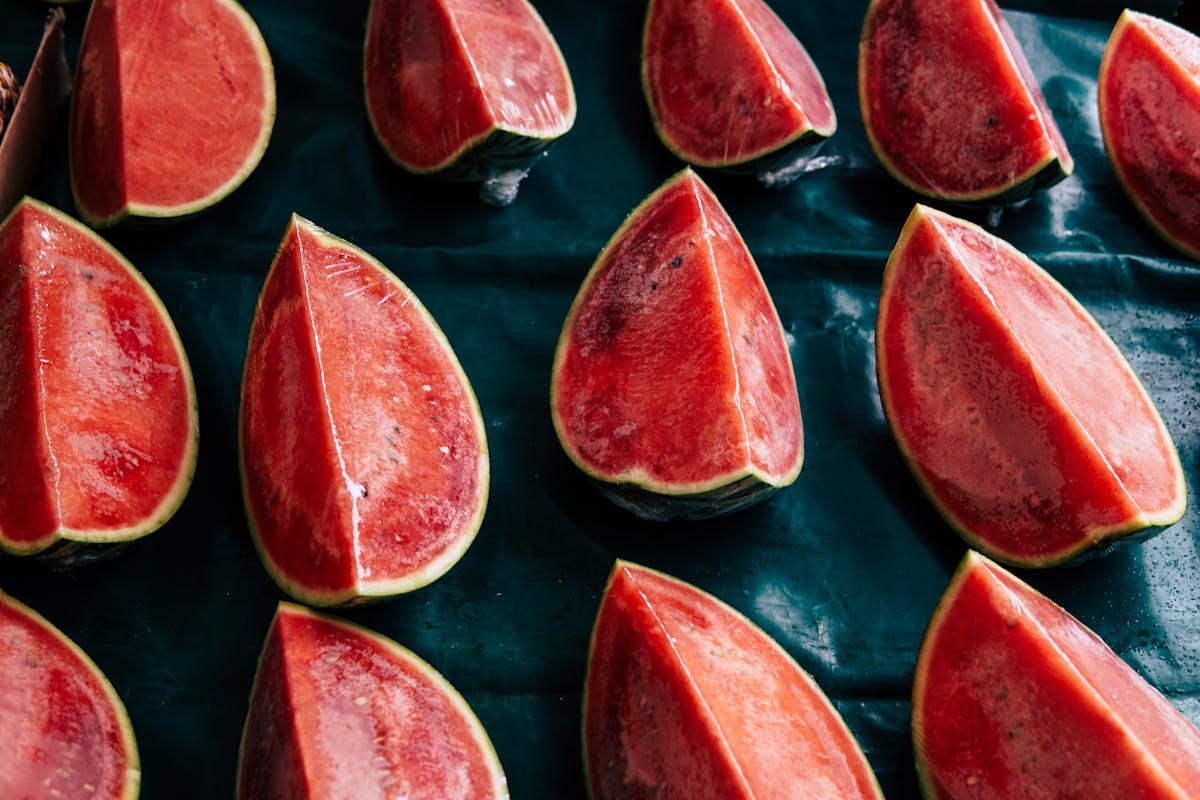
Watermelons are marketed year-round, giving consumers the illusion of freshness. However, the real sweet, juicy melons are only available from late May through September, and even then, quality varies widely. Imported melons shipped during off-peak months often lack flavor and are picked before ripening, leaving you with a product that is watery, underdeveloped, and barely sweet. Retailers profit off these subpar fruits while customers assume they are getting the same quality as peak-season melons.
Mini Watermelons
The rise of personal-sized watermelons is marketed as a convenience, yet they often come at a premium price for substandard fruit. These mini melons can be dry, fibrous, or hollow in the center, and their diminutive size does not guarantee ripeness or sweetness. While appealing to small households, many consumers are paying extra for a product that fails to deliver the satisfaction of a full-sized melon, making it an expensive gamble.
Seedless Watermelons
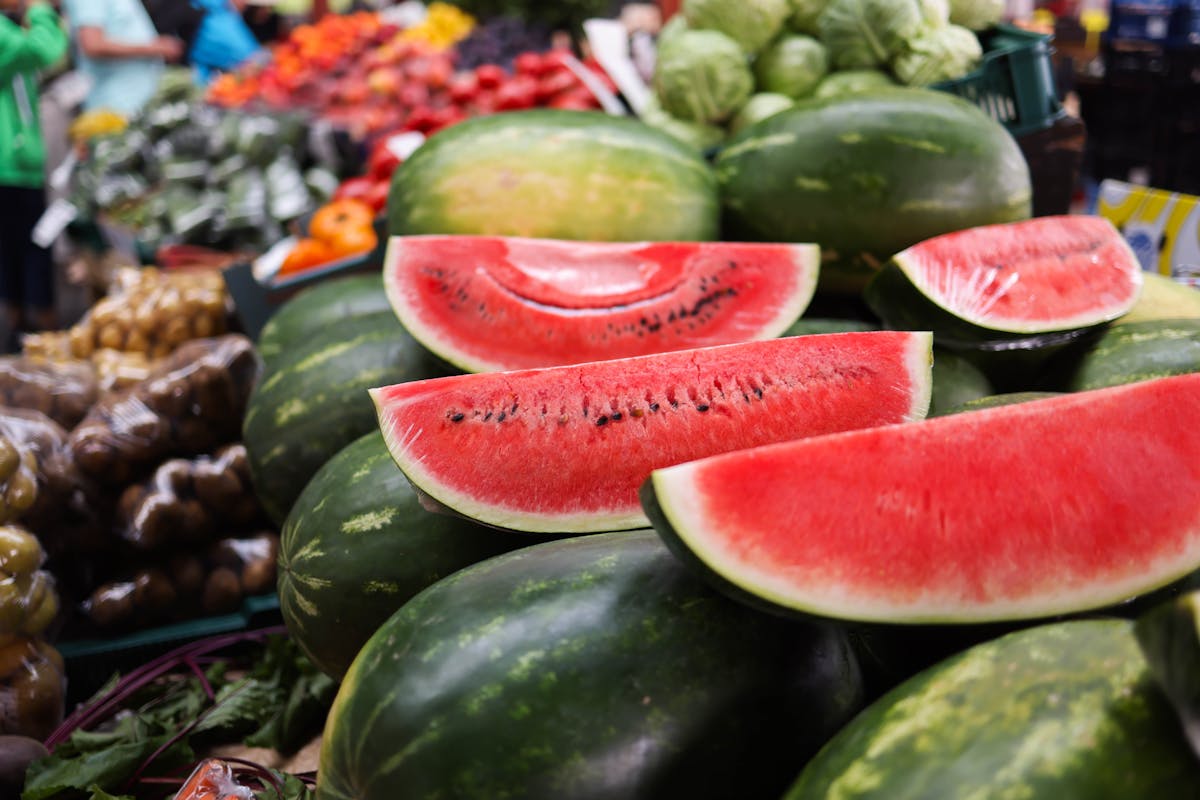
Seedless watermelons dominate supermarket shelves, but their widespread availability masks the truth, they often lack the richness and depth of flavor found in seeded varieties. Seedless melons are bred for convenience and shelf life rather than taste, leaving you with a product that can be bland or overly watery. True watermelon aficionados know that the juiciest, most flavorful varieties are often seeded and available only at farmers’ markets during the height of summer.
Exotic Colored Watermelons
Yellow and orange watermelons are promoted as sweeter alternatives, but many shoppers are disappointed. These varieties can be soft, mushy, and overly fragile, making them poor candidates for transport or storage. Additionally, their sweetness is inconsistent, varying from batch to batch, leaving consumers with hit-or-miss flavor profiles that often fail to justify the premium price.
Deceptive Visual Cues
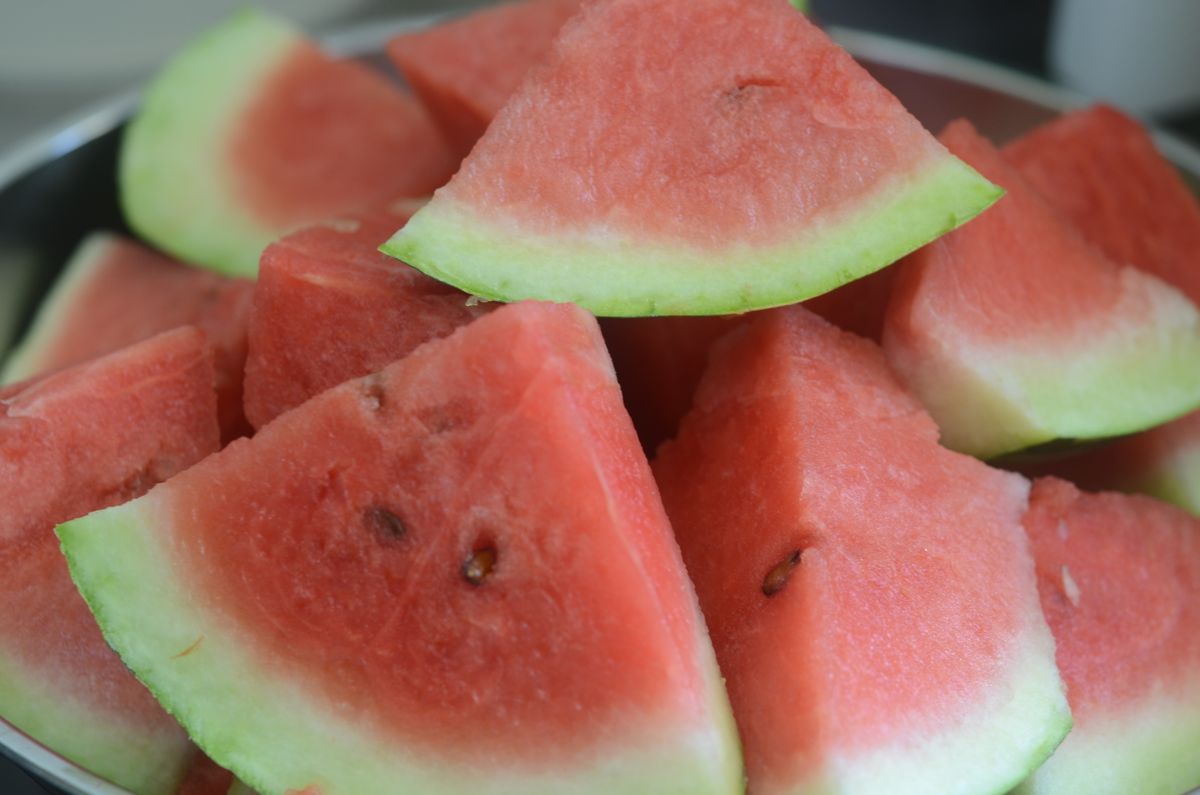
Many buyers rely on the traditional yellow “field spot” to gauge ripeness, yet this method is far from foolproof. Some watermelons develop pale, insufficiently ripened spots, giving the false impression of sweetness. Others may appear visually perfect but be hollow or mealy inside. Without tasting the melon or knowing its source, shoppers are essentially gambling, often paying top dollar for disappointing fruit.
Retail Pricing Tricks and Seasonal Exploitation
Watermelon prices fluctuate dramatically depending on the store, region, and season, but consumers rarely get a fair deal. Retailers often charge inflated prices for imported or subpar melons, while cheaper local melons might be hidden or understocked. Mini watermelons can cost twice as much per pound as full-sized ones, despite having less edible flesh and inconsistent sweetness.
Handling and Storage Pitfalls

Even after purchasing, watermelon can disappoint if mishandled. Excessive heat, improper slicing, or improper storage of cut melon can quickly turn a promising fruit into a mushy, flavorless mess. Consumers are often left frustrated by short shelf lives, even for melons that initially appear fresh and ripe.