Home Steak Disasters Solved: Cook Every Cut Flawlessly
Steak is more than just a meal; it’s a culinary experience that can make or break dinner. Yet most home cooks fall into the same traps: choosing the wrong cut, misreading marbling, cooking too fast, or mishandling their investment after leaving the butcher.
Perfect steak starts at the store, continues in the kitchen, and ends on your plate with maximum flavor. This guide gives you the ultimate roadmap to buying, handling, and cooking steak like a pro, ensuring every bite is tender, juicy, and full of flavor.
Know Your Cuts: Why Each Steak is Different

The first step to steak mastery is understanding cuts. Ribeye is the indulgent classic, with generous marbling that renders into buttery flavor. It’s perfect for grilling or pan-searing because the fat melts into the meat, keeping it juicy. New York Strip is slightly leaner and firmer, delivering a satisfying chew while retaining a robust beefy taste. Tenderloin (Filet Mignon) is ultra-tender, ideal for diners who prefer softness over bold flavor.
Then there are cuts like flank, skirt, hanger, chuck eye, and flat iron, which are more affordable yet flavorful. These require high-heat cooking and careful slicing against the grain to maximize tenderness. Understanding the unique qualities of each cut ensures that you buy the right steak for your cooking method, flavor expectations, and budget.
Marbling: The Secret Ingredient
Marbling is the intramuscular fat that makes steak juicy and flavorful. Fine, evenly distributed white streaks melt during cooking, infusing the meat from the inside. Many buyers mistake exterior fat for real marbling, overpaying for weight rather than flavor.
USDA grades can help: Prime has the most marbling, Choice is excellent for everyday cooking, and Select is leaner, often better suited for sauces or marinades. However, visual inspection matters most; a Choice steak with beautiful marbling can outperform a sparsely marbled Prime.
Thickness and Size Matter

Steaks under one inch thick cook too quickly and often dry out. A 1¼ to 1½-inch thickness is ideal for achieving a golden crust while maintaining a juicy medium-rare interior.
Thicker cuts also provide more control when searing, grilling, or reverse-searing. Avoid thin supermarket steaks that appear cheaper; thickness is the difference between a mediocre bite and a perfect steak.
How to Inspect Steak Like a Butcher
When shopping, rely on sight, touch, and smell. Look for a bright red color, fine marbling, a firm texture, and minimal excess liquid in the packaging. Smell the meat; if possible, it should have a clean, fresh aroma. Avoid steaks with gray or brown spots, bruising, or cracked surfaces.
Don’t underestimate the value of visiting the butcher counter: a professional can recommend the best cuts, offer trimming options, and guide you to hidden gems like chuck eye or hanger steak, which rival premium cuts at a fraction of the price.
Value Packs and Smart Buying
Many stores sell steak in value packs, which can be a cost-effective way to buy high-quality meat. Inspect each piece for consistent thickness and marbling.
Buying in bulk also allows you to freeze extras for later, ensuring you always have a top-quality steak on hand for spontaneous dinner plans. Timing is critical; mid-season cuts often provide peak flavor at the best price.
Storage Secrets for Maximum Flavor
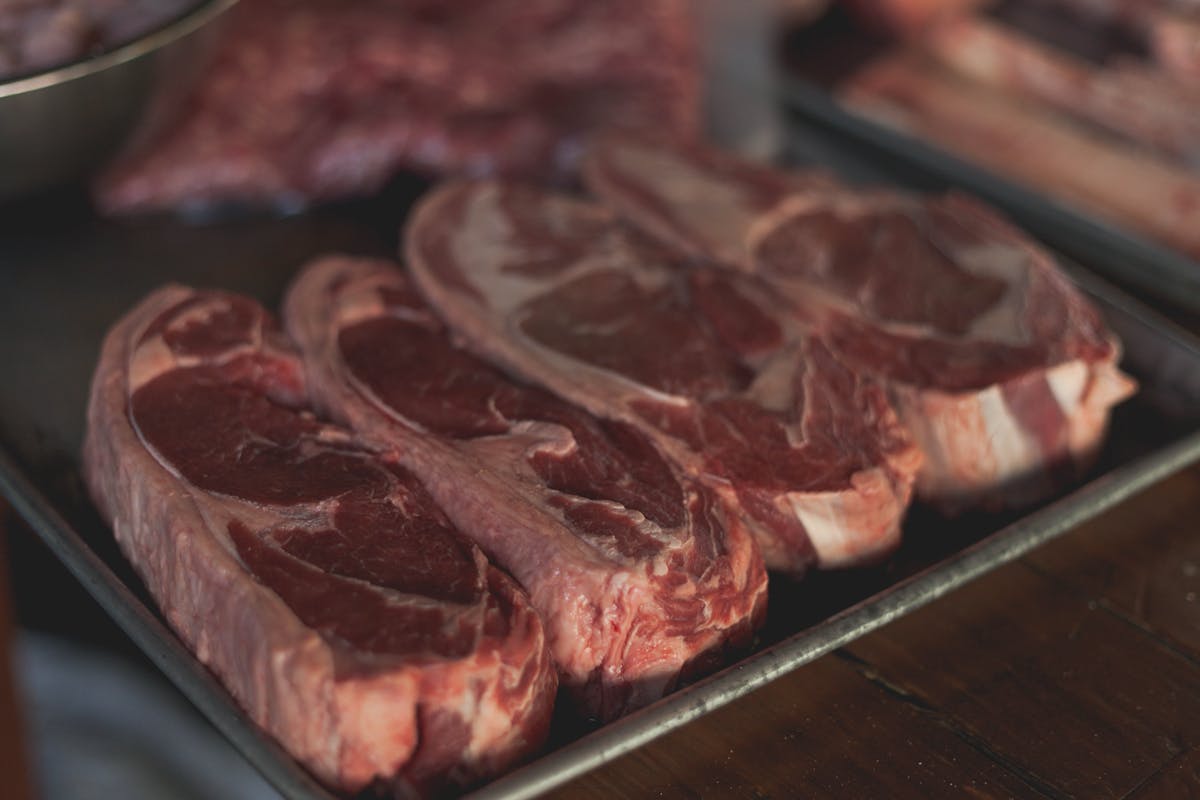
Proper storage extends steak quality. Raw steaks should be kept cold in the refrigerator, ideally on the lowest shelf to avoid cross-contamination. Leave stems intact if possible and avoid washing until ready to cook.
Steaks are best consumed within two to three days, but freezing them in airtight packaging preserves their flavor and texture for months. Slow thawing in the fridge is key to avoiding moisture loss.
Cooking Techniques That Unlock Flavor
Cooking steak is an art. High-heat methods like grilling, broiling, or pan-searing develop a flavorful crust, while finishing in the oven or with a reverse-sear method ensures even doneness. Internal temperature is critical: 125°F for rare, 130–135°F for medium-rare, and 140–145°F for medium. Use a meat thermometer to avoid guesswork.
Let the steak rest for 5 to 10 minutes after cooking to allow the juices to redistribute. For tougher cuts like flank, skirt, or hanger, cooking quickly at high heat, followed by slicing thin against the grain, transforms them into tender, flavorful bites. Marinating can enhance both flavor and tenderness for these leaner cuts.
Pairings and Serving Suggestions
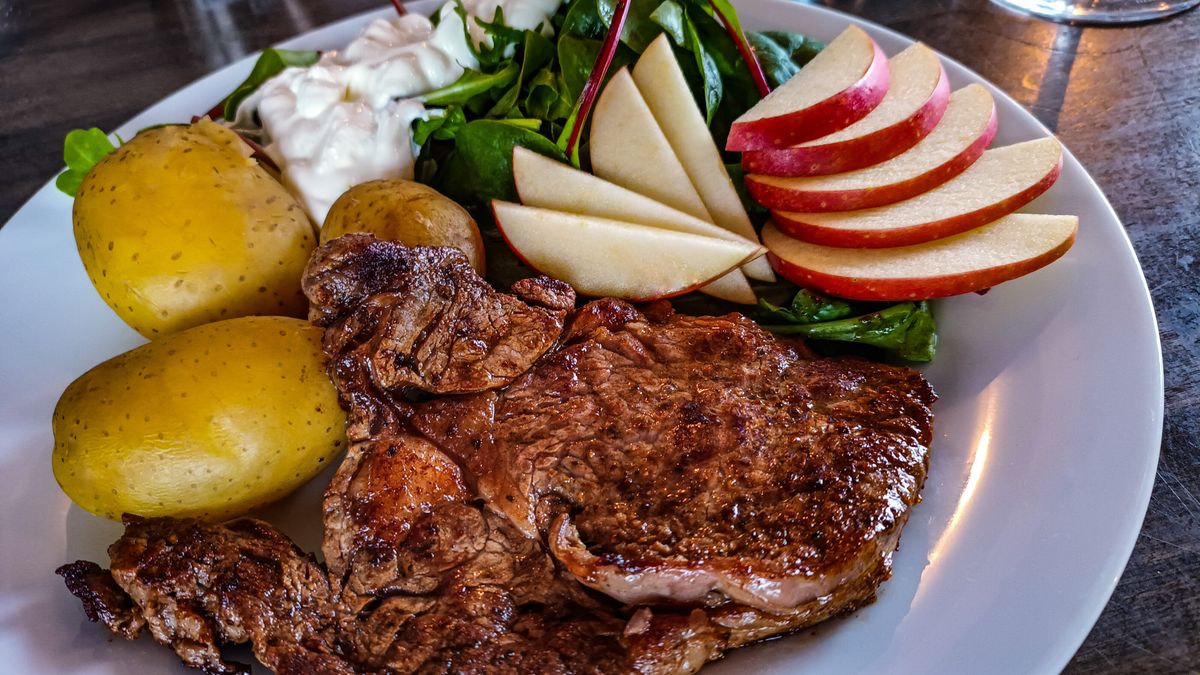
Steak isn’t complete without thoughtful pairings. Classic options include roasted vegetables, mashed potatoes, and sautéed mushrooms. For bold flavor, pair ribeye or New York strip with compound butter, herb sauces, or chimichurri.
Lighter cuts like tenderloin or filet mignon pair well with fresh salads or creamy cheeses. Wine enthusiasts can complement the meal with robust reds, while casual dinners pair beautifully with craft beers or bold sparkling water.
Cooking With Confidence
The right cut deserves the right cooking method. Ribeyes and New York strips excel with high-heat grilling or skillet searing, while skirt and flank steaks need quick, intense heat and careful slicing against the grain.
Tenderloin thrives with gentle searing and careful attention to temperature. Understanding your cut’s needs guarantees that marbling and thickness translate into juiciness, flavor, and perfect doneness.
Great steak begins with informed shopping, careful handling, and precise cooking. Buying smarter, understanding cuts, inspecting marbling, and selecting the right cooking method guarantee consistently delicious results.
No more overpaying for mediocre meat or wasting perfectly good steaks. When you master these steps, every steak night becomes a gourmet experience, whether it’s a casual dinner or a special occasion.