8 Shocking Lies About American Slavery That Still Rewrite History
What gets passed down is often a softened version of reality—half-truths, selective memory, and myths that quietly reshape one of the most important chapters in American history. The result is a story that feels familiar, but leaves out the parts that are most uncomfortable, and most important.
Slavery was not a side note in America’s past. It was a system that shaped the country’s economy, laws, politics, culture, and even its understanding of freedom itself. Yet many of the ideas people still repeat today make it seem smaller, simpler, or more distant than it actually was.
These 8 beliefs don’t just distort history. They change how we understand the present.
Enslaved People Accepted Their Condition
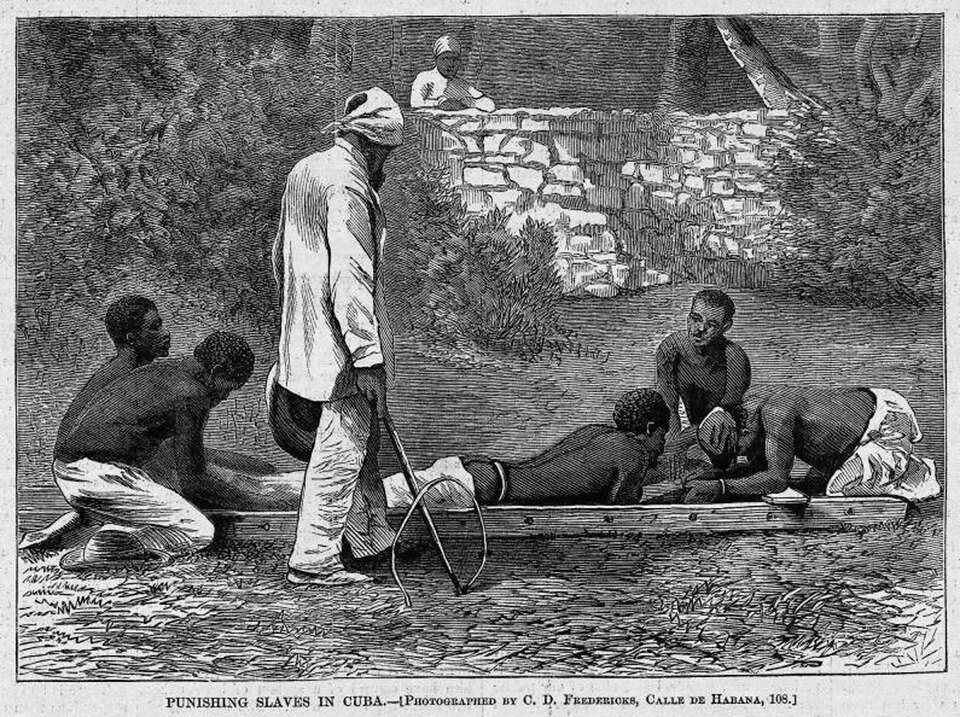
The idea that enslaved people accepted slavery is one of the most harmful myths. Enslaved people resisted in countless ways, from escaping, slowing work, breaking tools, preserving family bonds, learning to read in secret, holding religious meetings, and passing down African cultural traditions. Some also organized rebellions or helped others flee through secret networks.
Resistance did not always look dramatic, because the punishment for open defiance could be deadly. Survival itself often became a form of rebellion. Enslaved people fought to protect their dignity in a world designed to crush it, and that daily resistance deserves recognition.
Slavery Was Mostly About Racism, Not Money
Racism was central to American slavery, but slavery also operated as a massive economic machine. Enslavers used racist ideas to justify a labor system that produced enormous wealth. Cotton, sugar, tobacco, rice, and other crops created fortunes that shaped banks, shipping, manufacturing, land ownership, and political power.
The system did not survive because of prejudice alone. It survived because many people profited from it and fought to protect their profits. Racism gave slavery its excuse, but money gave it muscle.
The Civil War Was Not Really About Slavery
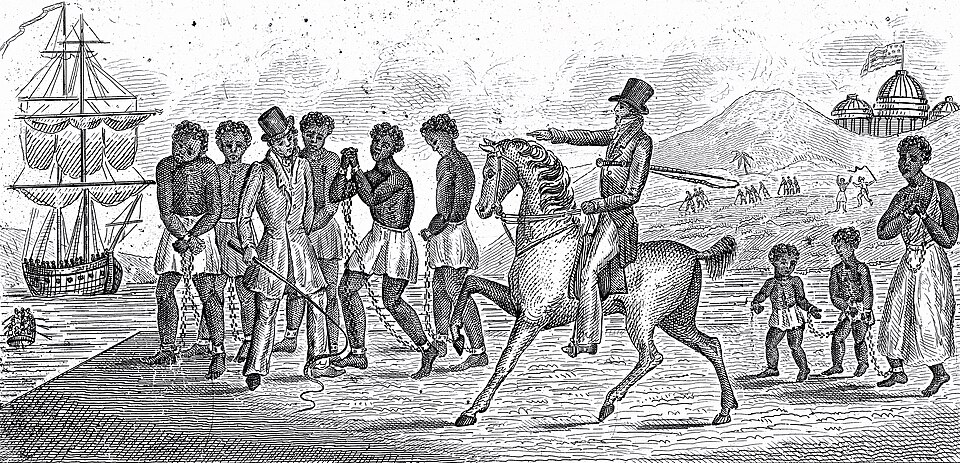
This misconception persists because it sounds less uncomfortable than the truth. The Civil War had many political and economic layers, but slavery sat at the center of the conflict. Southern leaders openly defended slavery, feared its restriction, and built secession arguments around protecting it.
Claims about states’ rights often avoid the key question. States’ rights to do what? In this case, the right to preserve and expand human bondage. Any version of the Civil War that removes slavery from the center leaves out the fire and only describes the smoke.
Emancipation Instantly Made Enslaved People Free
The Emancipation Proclamation was a major turning point, but freedom did not arrive everywhere at once. Many enslaved people remained in bondage after it was issued, especially in areas where Union forces had not yet gained control. Legal freedom also did not automatically bring land, safety, wages, education, voting rights, or protection from violence.
After slavery ended, many Black Americans faced new systems designed to limit their freedom. Black Codes, convict leasing, sharecropping, racial terror, and segregation worked to preserve white control in new forms. Freedom came through law, but real equality required a much longer battle.
Slavery Was Less Brutal Than People Say
Some people try to soften slavery by pointing to enslavers who claimed they treated people “well.” This argument collapses under the system’s basic reality. Slavery depended on violence, coercion, family separation, unpaid labor, legal control, and the constant threat of punishment.
Even when enslaved people lived in slightly better material conditions, they still lacked freedom over their bodies, families, labor, movement, and futures. A system that allows one person to own another can never be gentle. The violence was not an accident of slavery. It was the foundation.
Slavery Was Only a Southern Problem

One of the most stubborn misconceptions is the idea that slavery belonged only to the South. The plantation South became the most visible center of American slavery, but the system reached far beyond cotton fields and tobacco farms. Northern merchants, banks, shipbuilders, insurers, textile mills, and ports all profited from slavery in direct and indirect ways.
Even states that gradually abolished slavery still benefited from the trade, labor, and wealth it produced. Cotton grown by enslaved people fed factories in the North and helped fuel American economic growth. Treating slavery as only a Southern issue allows the rest of the country to step away from a history it helped create.
Enslaved People Were Mostly Unskilled Laborers
Another false belief is that enslaved people only performed simple field labor. Many did work in fields under brutal conditions, but enslaved people also served as blacksmiths, carpenters, nurses, midwives, cooks, drivers, mechanics, boatmen, seamstresses, brickmakers, musicians, and skilled agricultural experts. Their knowledge kept farms, homes, businesses, and entire communities running.
This misconception strips enslaved people of intelligence, talent, and technical ability. It also hides the painful truth that enslavers exploited every skill they could extract. Enslaved people built wealth with their minds, hands, creativity, and endurance, even though the law denied them ownership of their own labor.
Most White Americans Did Not Benefit From Slavery
Some people assume slavery only enriched the small group of people who directly owned enslaved workers. That view misses how deeply slavery shaped the larger economy. Even people who never owned enslaved laborers often benefited from cheaper goods, expanding markets, political power, land values, and industries tied to slave-produced crops.
Slavery created a social ladder where whiteness carried legal and social advantages, even for poor whites. The system encouraged many white Americans to see themselves as above Black people, no matter their own poverty. That psychological and political benefit helped slavery survive much longer than it should have.