DuPage County Transportation System Under Pressure: Roads, Trails, and Daily Mobility Challenges Across the Region
DuPage County’s transportation network is often presented as a smooth-running system, but the experience on the ground tells a more complicated story.
Across highways, trails, intersections, and construction zones, the system overseen by the DuPage County Division of Transportation is operating under growing strain that becomes more visible each year.
What was designed as a balanced network of roads, trails, and permits is now functioning in an environment shaped by rising traffic demand, aging infrastructure, and constant maintenance cycles that rarely feel complete.
For many residents, the result is not a sense of stability, but a feeling of continuous adjustment.
A transportation system struggling to match regional growth

DuPage County continues to expand in population, housing, and commercial activity, and that growth has placed sustained pressure on the transportation system.
Roads built for earlier traffic volumes now carry heavier daily loads, while intersections originally designed for simpler flow patterns now handle more complex movement throughout the day.
The system is still functioning, but it often feels like it is reacting rather than fully keeping pace with the changes happening around it. Commuters experience this through longer travel times, unpredictable slowdowns, and congestion that appears even outside traditional rush hours.
Roads are constantly being repaired without lasting relief.
One of the most visible signs of strain is the condition of county roadways. While maintenance crews are active across the system, many drivers notice that repairs appear temporary rather than permanent.
Potholes reappear in familiar locations, patched surfaces wear unevenly, and construction zones seem to shift from one corridor to another without a clear long-term resolution.
This creates a sense of repetition for daily commuters. Instead of improved consistency, many routes feel like they are cycling through continuous repair stages, especially on heavily used arterial highways.
Traffic flow that becomes increasingly unpredictable
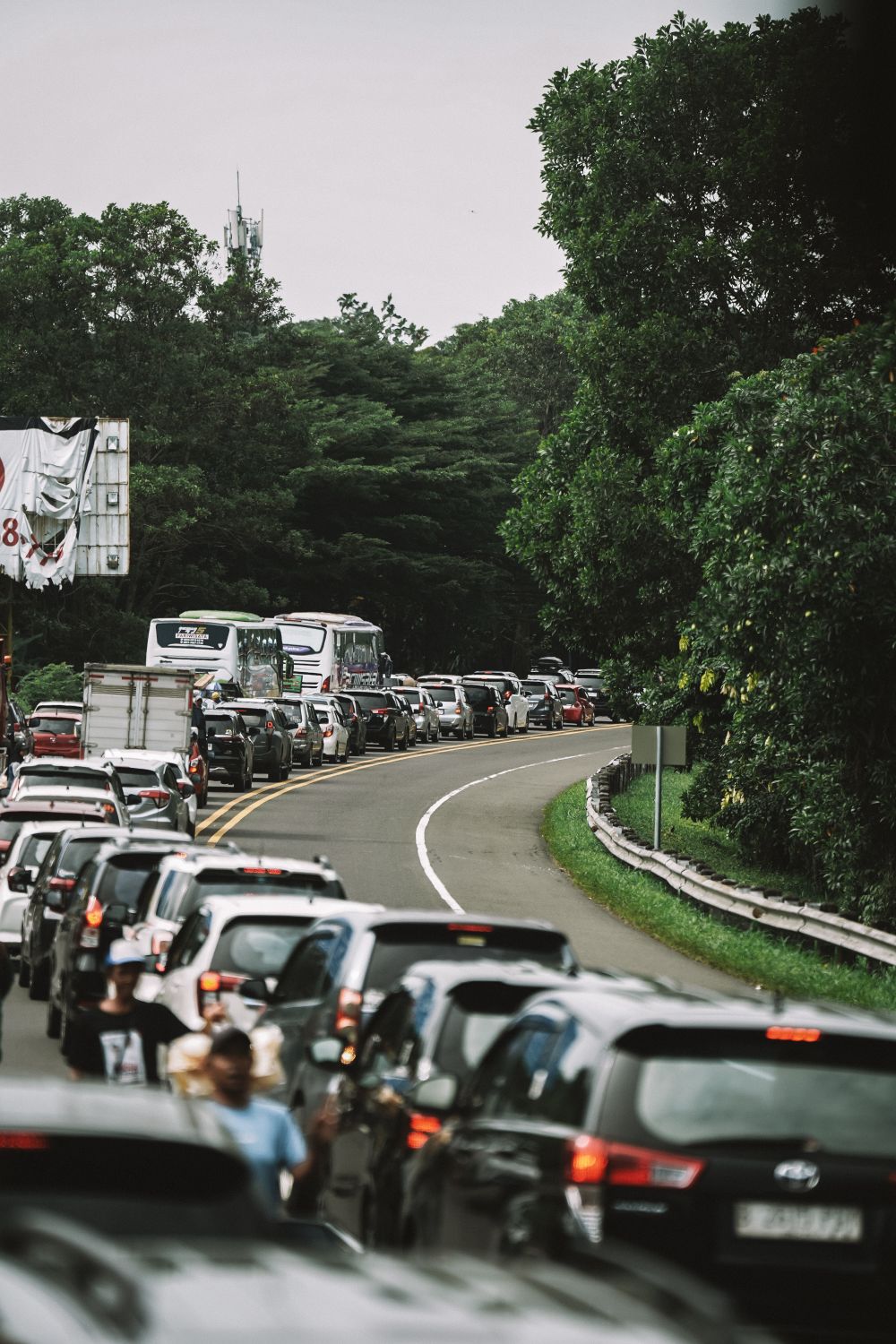
Movement across DuPage County is no longer defined by stable commute patterns. Instead, traffic conditions shift quickly depending on time, weather, construction activity, and corridor demand.
Intersections that once handled steady flow now experience sudden delays, while signal timing does not always align with current traffic behavior.
This unpredictability affects both short and long trips. Even familiar routes can become inconsistent, forcing drivers to plan more buffer time into daily travel than they may have needed in the past.
Winter conditions that expose system limitations
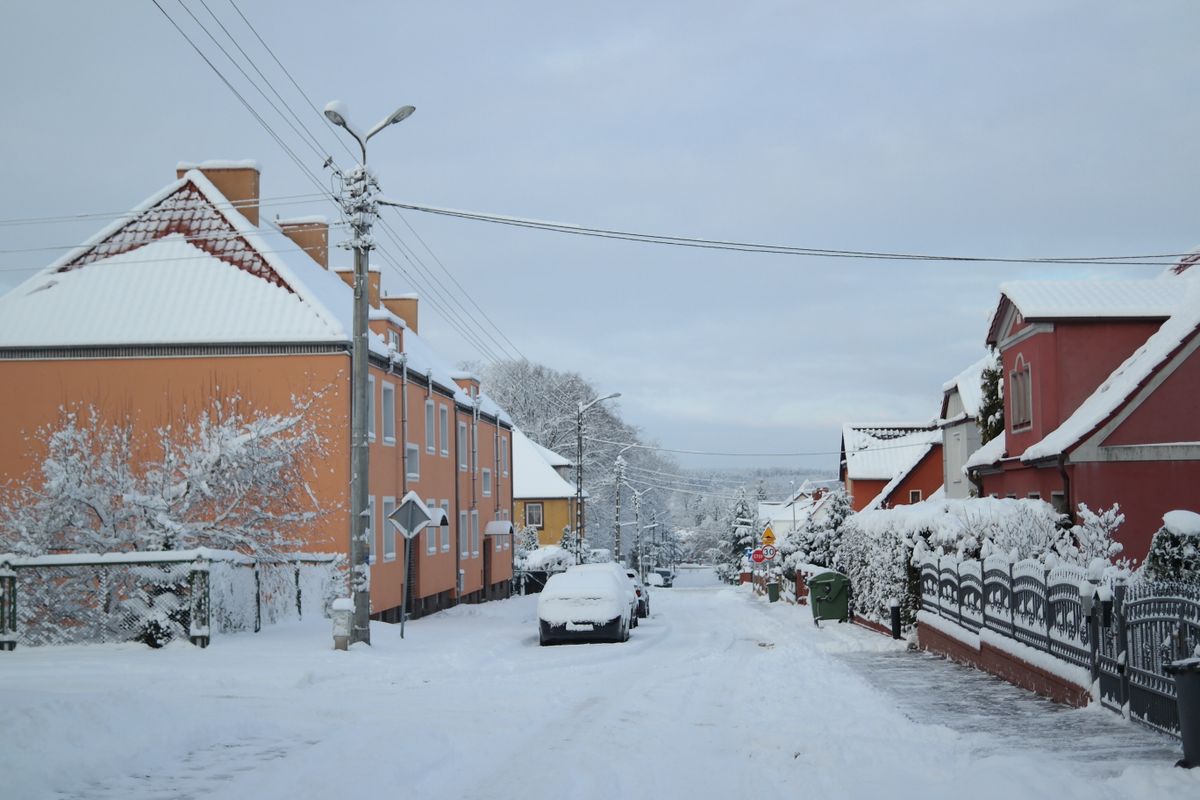
Snow and ice operations remain essential in DuPage County, yet winter conditions continue to reveal weak points in consistency.
Some corridors are cleared quickly, while others take longer to stabilize. Secondary roads often remain challenging after primary routes improve, and refreezing can create new hazards shortly after initial treatment.
For drivers, this means winter travel is rarely predictable. Even with ongoing plowing and salting efforts, road conditions can vary significantly across short distances, adding uncertainty to essential daily movement.
Permit systems that add time and complexity to development
Construction, roadway access, and all require permits, but the process is often described as layered and time-consuming.
Applications move through multiple stages of review, and coordination requirements can extend timelines, especially when projects involve utilities or roadway access points.
While the permit system is designed to protect public safety and infrastructure, it can also slow down projects that require quick approvals. Developers, contractors, and service providers often have to adjust schedules around administrative timelines rather than construction readiness.
Freight movement is constrained by route limitations.
Oversized and overweight truck movement is carefully regulated across DuPage County, but those regulations can create operational challenges for logistics and construction industries.
Approved routes are limited, and movement often requires detailed planning well in advance.
For operators, this reduces flexibility. Deliveries and construction schedules must adapt not only to demand but also to route availability and permit conditions, adding complexity to regional freight movement.
Trails that expand but do not always connect seamlessly
DuPage County’s trail network continues to grow, yet connectivity remains uneven in certain areas. Some paths provide smooth regional access, while others end abruptly or transition into less defined routes near roadways or municipal boundaries.
This creates a fragmented experience for users who rely on trails for commuting or recreation.
While progress is visible, the system still feels incomplete in key sections where continuous travel would be most useful.
Maintenance that is active but not always visibly transformative
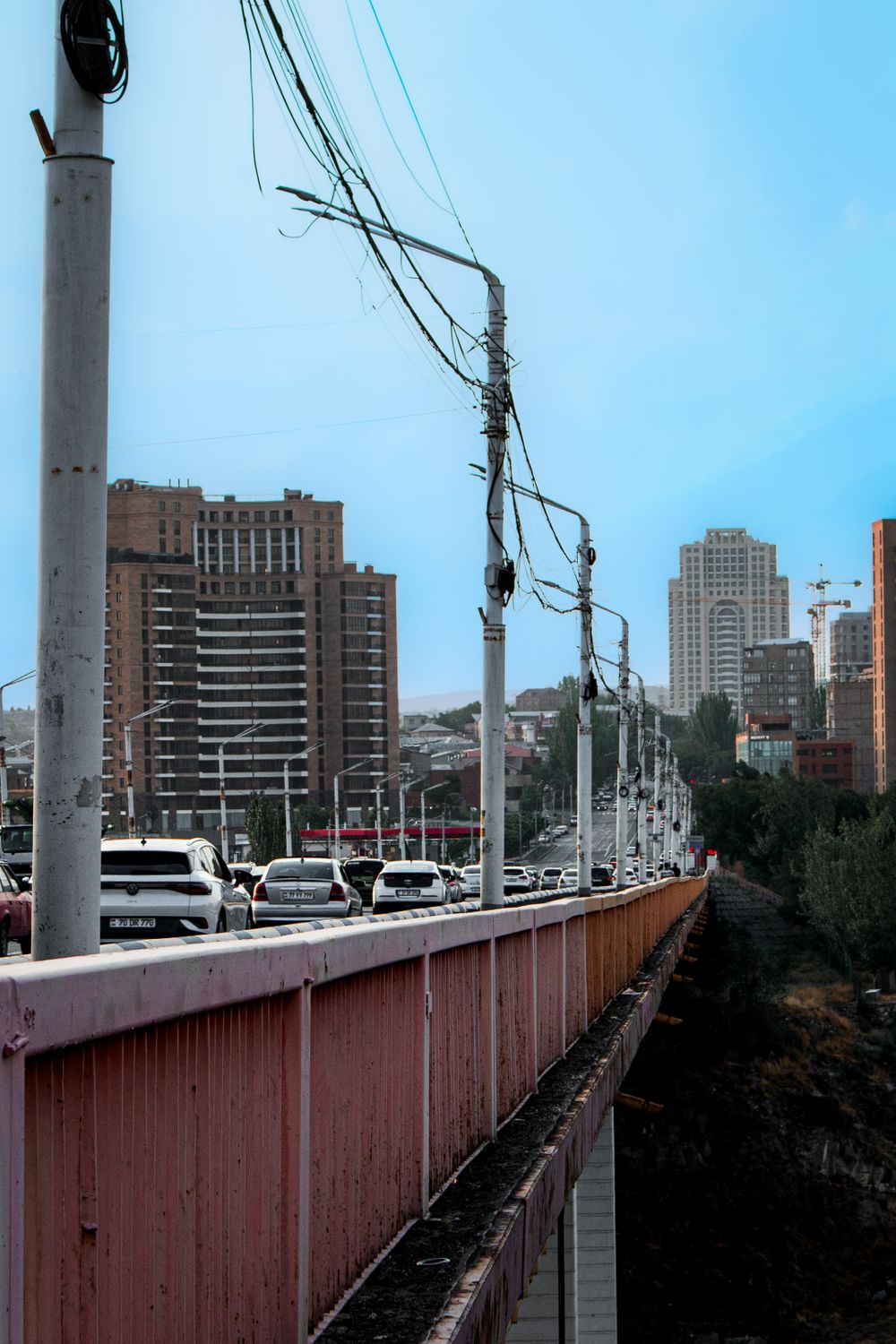
Road, bridge, signal, and trail maintenance continues throughout the county, yet improvements are not always experienced as long-lasting change.
Infrastructure can be repaired, only to show wear again under ongoing demand and weather conditions.
This cycle creates a perception of constant maintenance activity without a corresponding sense of long-term stabilization. The system is being serviced regularly, but the results often feel incremental rather than transformative.
Overlapping jurisdictions that complicate response and accountability
Transportation responsibility in DuPage County is distributed across multiple levels of government, including county, municipal, township, state, and other agencies. While this structure allows for shared management, it also creates complexity when issues arise.
Determining responsibility for a specific road, intersection, or trail segment is not always straightforward. As a result, response times and coordination efforts can vary depending on jurisdictional clarity and interagency communication.
Growth pressure that continues to outpace visible upgrades
As development continues across the county, transportation demand increases in parallel. More housing, more commercial activity, and more freight movement all place additional stress on roads, intersections, and access points.
Infrastructure improvements do occur, but they often follow demand rather than lead it. This timing gap contributes to the ongoing strain felt across the network.
A system defined by movement, but shaped by strain
When viewed as a whole, DuPage County’s transportation network remains functional and essential, yet it operates under continuous pressure.
Roads, permits, signals, trails, and maintenance systems are all working, but they are also constantly adapting to conditions that change faster than infrastructure can fully absorb.
The result is a transportation system that keeps the county moving, while still revealing the limits of aging infrastructure, rising demand, and complex coordination in everyday use.