8 Reasons You May Regret Sitting at the Back of a Plane
The back of a plane looks harmless until you are actually stuck there for six hours. At first, it may seem like a small tradeoff for a cheaper seat, a last-minute booking, or the hope of finding an empty row.

Then the boarding line stretches beside your elbow, the bathroom door keeps opening, and every bump in the air feels a little more dramatic. The rear cabin is not a disaster zone, but it does come with a few travel headaches that many passengers only notice after takeoff.
Choosing a seat is not just about the window or aisle anymore. It can shape how quickly you board, how smoothly you fly, how much you sleep, and how tired you feel when you land.
The Ride Can Feel Bumpier
The back of the plane often feels less stable than seats closer to the wings, especially during turbulence. That does not mean the aircraft is unsafe, but it can make the journey feel more stressful for nervous flyers or anyone who gets motion sick easily. The wing area sits closer to the plane’s center of lift, which is why many travel and health experts recommend it for a smoother ride. If every dip makes your stomach flip, the rear cabin may turn a normal flight into a long test of patience.
You May Be Closer to the Bathrooms
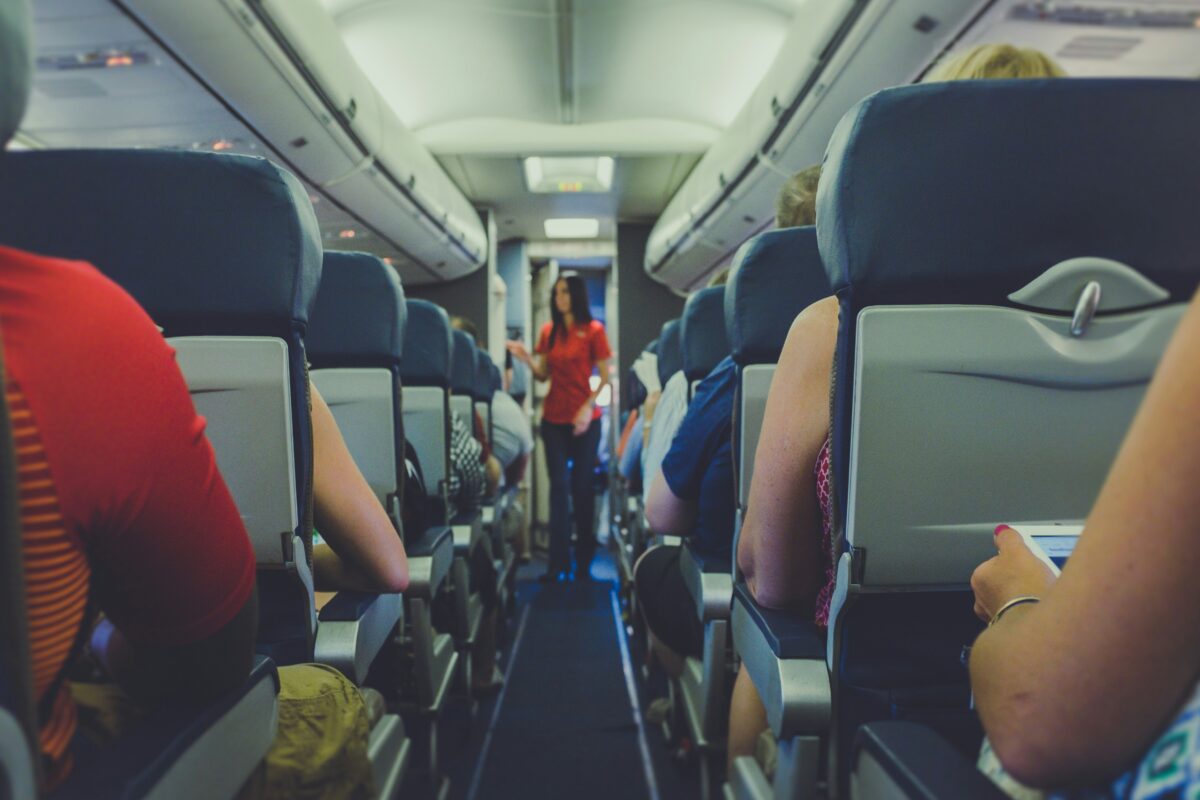
The back rows often sit near the lavatories, which sounds convenient until the line starts forming beside your seat. Passengers waiting for the restroom may lean on your headrest, bump your shoulder, crowd the aisle, or hold loud conversations while you are trying to sleep. There is also the issue of smells, especially on long flights when the bathroom gets heavy traffic. A seat near the lavatory can be useful for some travelers, but it can also feel like sitting beside the busiest hallway in the sky.
You Might Deplane Last
If you hate waiting, the back of the plane can feel like a trap after landing. Most passengers leave from the front, which means the rear cabin often sits and watches row after row of grab bags, blocking the aisle and inching toward the exit. This delay may not matter on a relaxed trip, but it can become stressful when you have a tight connection, a ride waiting outside, or a child who has officially run out of patience. Sometimes the worst part of the flight happens after the wheels touch the ground.
Food Choices Can Run Out
On some flights, meal and snack service may start from the front, leaving passengers in the back with fewer options. By the time the cart reaches the final rows, the popular meal, drink, or snack box may already be gone. That is not always the airline’s fault because stock is limited and service patterns vary, but it can still be frustrating when you are hungry, and your first choice has disappeared. If food matters to you, sitting farther forward can sometimes give you a better shot.
The Noise Can Be Harder to Ignore
The rear cabin can be louder because of engine noise, galley activity, bathroom traffic, and crew movement during service. Add crying babies, passengers stretching near the back, and the constant sound of doors and carts, and the seat can feel less peaceful than expected. Noise-canceling headphones help, but they do not erase everything. If you plan to work, sleep, or arrive fresh for a meeting, a quieter section of the cabin may be worth choosing.
The Last Row May Not Recline
Not every back seat is created equal, and the final row can be especially unforgiving. Some last_ row seats have limited or no recline due to the wall or galley behind them. That might not matter on a quick one-hour hop, but it can feel miserable on a red-eye or long-haul flight. Before choosing the cheapest seat on the map, check whether it’s in the last row, as a stiff seat can make the journey feel much longer than the ticket price suggests.
Overhead Bin Space Can Be Unpredictable
People often assume the back of the plane guarantees better overhead bin space, but that is not always true. Crew equipment, early boarders, and passengers are placing bags wherever they find the ticket price suggests.
Overhead Bin Space Can Be Unpredictable
People often assume the back of the plane guarantees better overhead bin space, but that space can be unpredictable. If you board late and sit in the rear, your bag may end up several rows away, which becomes annoying when everyone stands up at landing. A good seat is not only about where your body goes, but also where your carry-on ends up.
It Can Feel More Crowded During Boarding
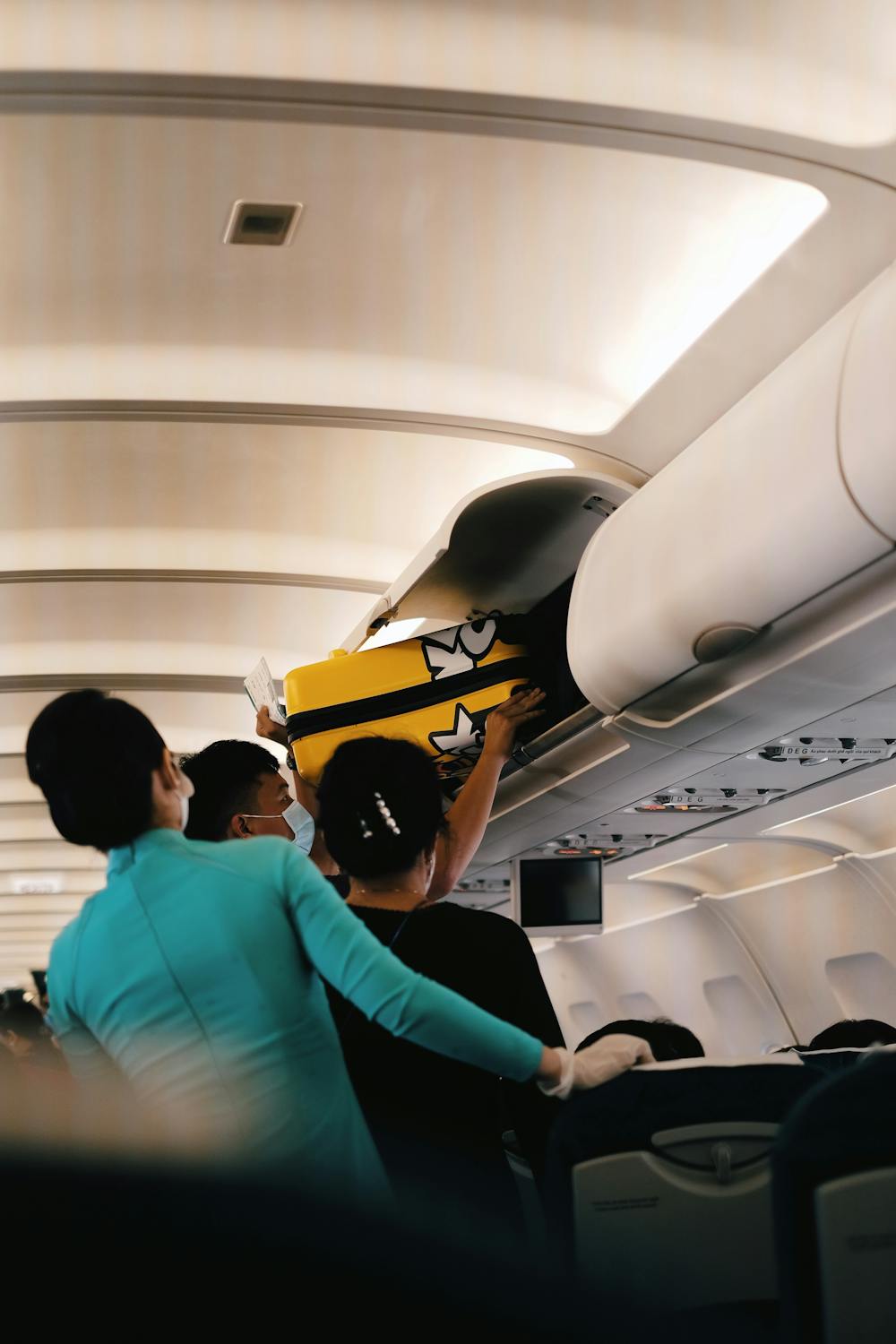
The back of the plane can become a traffic jam before you even sit down. Passengers squeezing past, bags swinging, people stopping to lift luggage, and families trying to settle in can create a cramped start to the flight. If you are already seated, you may spend several minutes dodging backpacks and elbows. That early chaos can set the mood for the whole trip, especially if you are tired, anxious, or traveling with limited legroom.
While the back of the plane can have perks like cheaper fares or proximity to the crew, it often comes with compromises that affect comfort and convenience. Turbulence feels sharper, noise is louder, and boarding or deplaning can take longer than expected. Choosing a seat closer to the wings or toward the front can give you a smoother ride, easier access to overhead bins, a quieter environment, and a faster exit when the plane lands, making the journey feel shorter and far less stressful.