How U.S. Presidents Managed White House Stress Through Unusual Pastimes
We usually remember U.S. presidents through war rooms, campaign speeches, State of the Union addresses, cabinet meetings, and decisions that changed history. Yet the quieter truth is that every president also needed some private way to stay human under pressure.
The Oval Office may be the most powerful workplace in America, but it has never removed the basic need for release, rhythm, curiosity, and control.
Presidential hobbies matter because they reveal what politics often hides. A president’s pastime can show discipline, restlessness, vanity, patience, loneliness, humor, competitiveness, or a hunger for normal life.
When we look beyond the official portraits, we find men who danced, swam, wrestled, painted, boxed, collected stamps, rode horses, solved puzzles, played basketball, built furniture, and sometimes turned leisure into a small performance of leadership.
George Washington treated farming like a national experiment
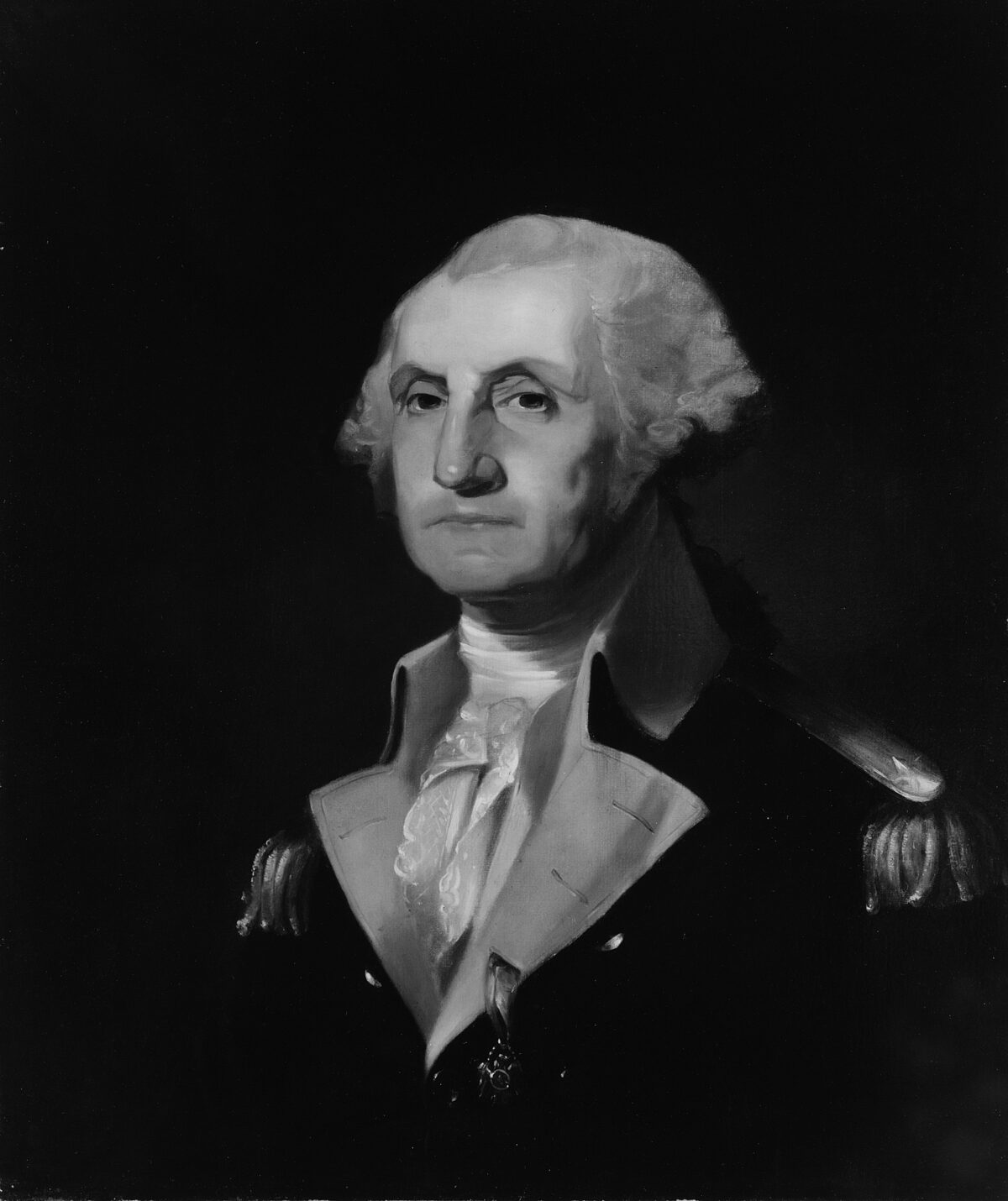
George Washington’s reputation often feels carved from marble, but his hobbies were practical, physical, and deeply connected to the land. He enjoyed dancing in elite social circles, yet his more revealing interest was agricultural improvement, especially his fascination with breeding mules.
Washington believed mules could help American farming because they were strong, durable, and useful for hard labor in a young country that still depended heavily on rural production.
This was not casual tinkering. Washington imported prized donkeys and worked to improve livestock at Mount Vernon, treating the farm almost like a living laboratory.
His hobby reflected the same personality that shaped his public life: patient, orderly, and obsessed with building something that could last beyond him.
John Quincy Adams used cold water as a mental reset
John Quincy Adams had one of the strangest presidential routines in American memory. He famously swam in the Potomac River, often early in the morning, treating the cold water as exercise, therapy, and mental preparation.
Long before cold plunges became a wellness trend, Adams seemed to understand that the body could be used to discipline the mind.
His swimming habit fits his personality. Adams was intense, learned, stubborn, and often emotionally burdened by public life.
The river gave him something Washington politics rarely did, a clean shock, a private challenge, and a moment when no debate, faction, or newspaper attack could reach him.
Andrew Johnson embraced tailoring as a symbol of his self-made success.
Andrew Johnson’s hobby was not glamorous, but it was deeply personal. Before politics, he trained as a tailor, and he continued to sew and mend clothing even after rising to public office.
For Johnson, tailoring was not just a skill; it was evidence of where he came from and how he wanted to be seen. That habit reflected his fierce self-made identity.
Johnson built his political persona around resentment of elites and pride in manual labor, even though his presidency became one of the most turbulent in American history. His needle and thread reveal a man who clung to craftsmanship as a badge of legitimacy.
Abraham Lincoln wrestled before he wrestled with the Union
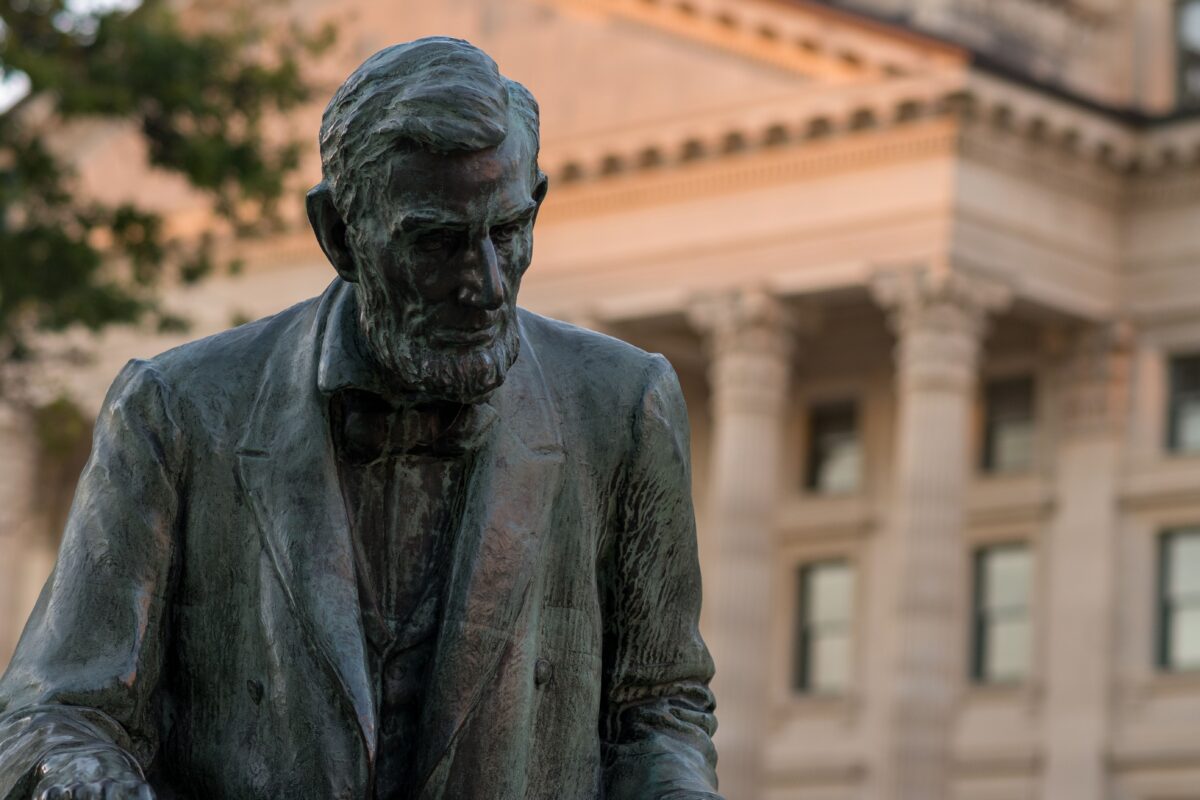
Abraham Lincoln’s image as a solemn wartime president can make it easy to forget how physically formidable he was as a young man. Tall, strong, and unusually athletic, Lincoln earned a reputation as a skilled frontier wrestler before he became a lawyer and politician.
Wrestling gave him early credibility in rough communities where strength, nerve, and self-control mattered.
The sport also gives us a useful metaphor for Lincoln’s political life, though it should not be stretched too far.
He learned how to hold his ground, absorb pressure, and avoid panic when facing opponents who looked stronger. During the Civil War, that same steadiness became one of his defining qualities.
Thomas Jefferson turned curiosity into a lifestyle
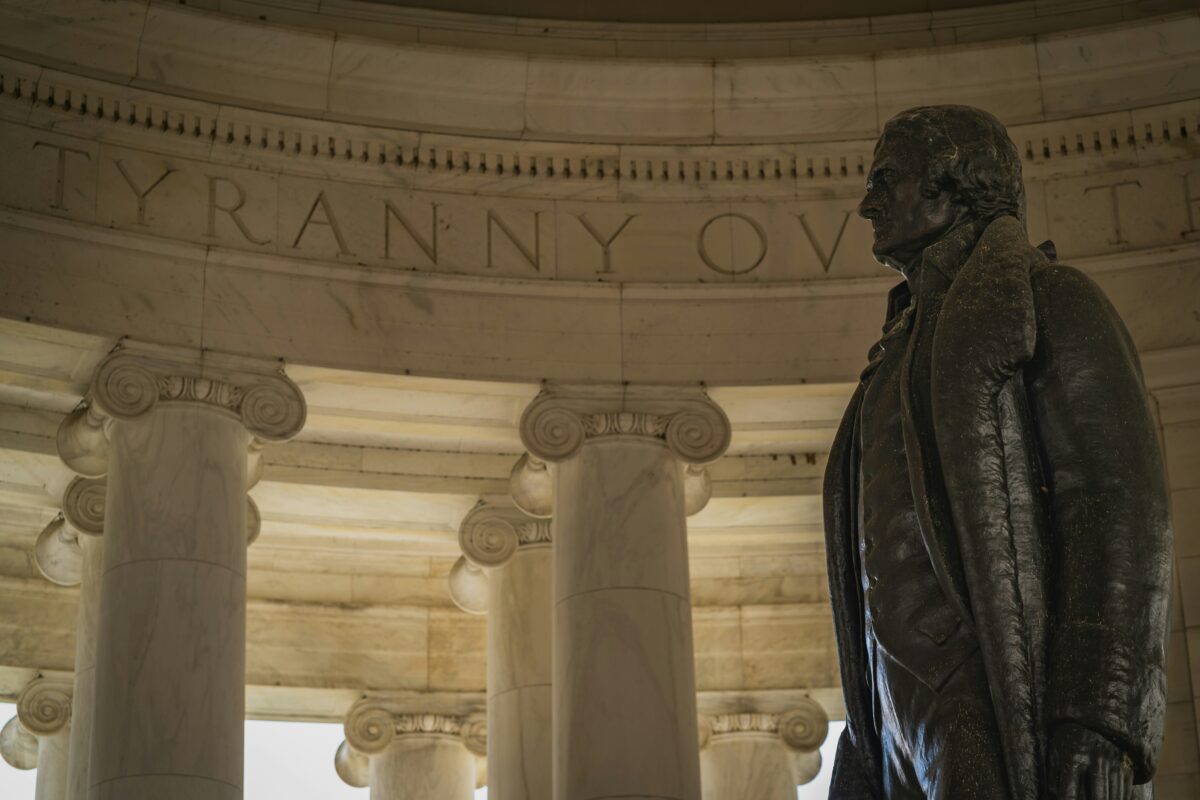
Thomas Jefferson may be one of the best examples of a president whose hobbies were inseparable from his worldview. Architecture, gardening, fossils, books, food, languages, scientific instruments, and Native American artifacts all pulled at his attention.
Monticello was more than a home; it was a self-designed intellectual stage where Jefferson tested ideas about taste, invention, agriculture, and knowledge.
His hobbies also show the contradictions of his life. Jefferson celebrated learning, beauty, and human progress while living within the brutal reality of slavery at Monticello.
That tension makes his private pursuits more complicated, but also more historically useful, because they show how a president could be brilliant, curious, refined, and morally compromised at the same time.
Theodore Roosevelt made physical exertion part of his philosophy
Few presidents turned hobbies into a personal brand as powerfully as Theodore Roosevelt. Boxing, hunting, horseback riding, hiking, rowing, judo, ranching, and relentless reading all fed into his belief in strenuous living.
Roosevelt did not treat activity as a break from leadership; he treated it as preparation for leadership.
His hobbies helped shape the public image of a president who wanted America to feel energetic, muscular, and morally awake. They also had lasting policy consequences, especially through his conservation work and love of wild landscapes.
Roosevelt’s private passions did not stay private for long; they became part of how he imagined the nation itself.
Franklin D. Roosevelt found order in stamp collecting
Franklin D. Roosevelt lived with enormous physical and political pressure, and stamp collecting gave him a structured world he could organize, study, and control.
His collection grew to an extraordinary size, and he remained closely connected to the hobby throughout his life. For a president who led the country through the Great Depression and World War II, stamps offered miniature windows into geography, history, diplomacy, and design.
This hobby was not childish escapism. It was a way of traveling mentally when his body had been permanently changed by polio. It also matched his administrative mind, because stamp collecting requires classification, patience, memory, and attention to detail.
Dwight Eisenhower painted his way out of command mode
Dwight D. Eisenhower spent much of his adult life inside systems of command, first as a military leader and later as president.
Painting offered him a different kind of discipline. Instead of issuing orders, he had to observe light, shape, color, and mood, then accept the slow, imperfect process of making something by hand.
Eisenhower’s painting began almost accidentally, but it grew into a meaningful private practice. The hobby softened the image of a man associated with war planning and Cold War pressure.
It showed that even the most orderly leaders need a space where success is not measured in votes, battles, treaties, or headlines.
Richard Nixon turned poker and bowling into a private strategy
Richard Nixon’s hobbies were quieter but psychologically revealing. Poker sharpened his sense of risk, bluffing, patience, and timing during his military years. Bowling, which he later used for late-night decompression, gave him a solitary ritual inside the White House.
Nixon’s hobbies feel different from Roosevelt’s physical bravado or Jefferson’s intellectual collecting. They suggest a man who processed pressure inwardly, often alone, through games of calculation and repetition.
In that sense, his pastimes matched the private, guarded style that defined much of his political life.
Jimmy Carter turned woodworking into a service
Jimmy Carter’s woodworking was more than a retirement pastime. He built furniture, carved objects, painted, wrote poetry, and later used his handmade work to raise money for humanitarian causes.
His creative life reflected the same modest, hands-on ethic that shaped his post-presidential work with Habitat for Humanity and The Carter Center.
Carter’s hobbies are especially powerful because they did not look like status symbols. They were rooted in patience, faith, usefulness, and craft.
In a political culture obsessed with spectacle, Carter’s workshop offered a different model of dignity: build something, give it away, and let the work serve someone else.
George H.W. Bush made adventure a birthday ritual
George H.W. Bush had a competitive streak hidden beneath his patrician manners. His love of horseshoes was famously social, but his late-life parachute jumps became the more dramatic symbol.
By jumping on milestone birthdays, including his 90th, Bush turned aging into a public act of courage and humor.
His skydiving was tied to a deeper wartime memory, since he had parachuted from a damaged aircraft during World War II. Later jumps allowed him to reclaim that terrifying experience on his own terms. Few presidential hobbies say more about resilience, memory, and controlled risk.
Bill Clinton mixed music, puzzles, and performance
Bill Clinton’s saxophone became one of the most memorable musical images in modern presidential politics. It made him seem younger, looser, and more culturally fluent during his rise to national power.
Music helped Clinton convey warmth and improvisation in ways speeches could not always achieve.
His love of crossword puzzles showed another side of the same mind. Clinton liked language, patterns, clues, and mental speed. The saxophone gave him rhythm and public charisma, while crosswords gave him private mental play.
Barack Obama made basketball part of White House culture
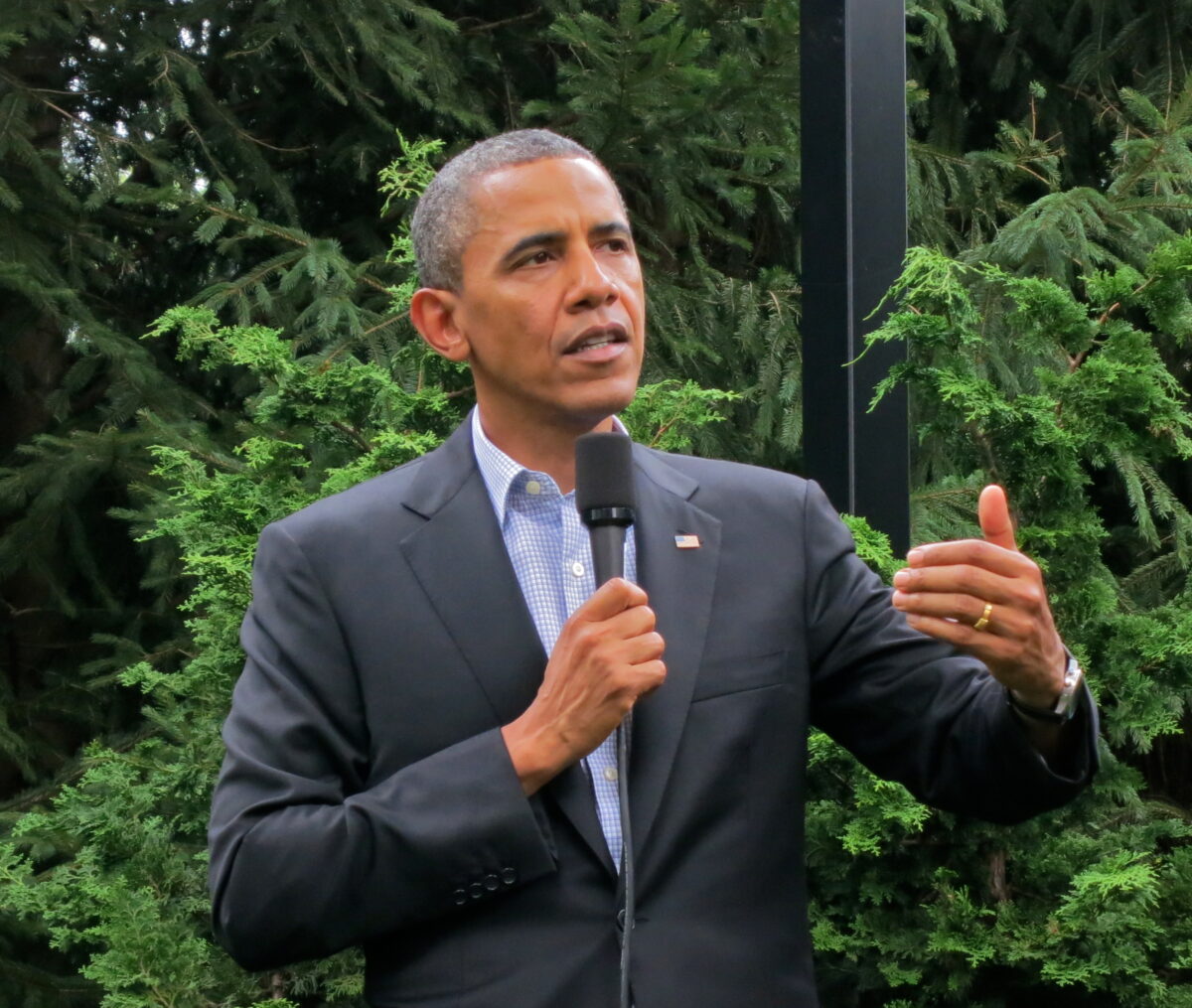
Barack Obama’s basketball habit became one of the defining hobbies of his presidency. Shortly after taking office, the White House tennis court was adapted to also accommodate full-court basketball.
The court became a place for exercise, competition, informal bonding, and carefully controlled escape from presidential isolation.
Basketball fits Obama’s political image because it is strategic, fast, social, and improvisational. It allowed him to appear competitive without seeming stiff, youthful without seeming unserious, and connected to a cultural language many Americans understood. His hobby became part of how people read his temperament.
Trump turned golf into a business, brand, and a diplomatic tool
Donald Trump’s most visible hobby has long been golf. Unlike presidents who used hobbies mainly for private relief, Trump’s relationship with golf sits at the intersection of leisure, branding, business, media, and diplomacy.
His courses, golf outings, and public association with the sport have been part of his identity for decades.
Golf also reveals how presidential hobbies can become political arguments. Supporters may see confidence, networking, and tradition. Critics may see excess, cost, or blurred lines between public office and private brand. Either way, Trump’s golf habit proves that presidential hobbies are rarely just hobbies once power enters the picture.
What presidential hobbies reveal about leadership
The most interesting thing about presidential hobbies is not the hobby itself. It is the pattern behind it.
Washington bred mules to achieve practical improvements. Jefferson collected and designed because he wanted knowledge to surround him. Lincoln wrestled because frontier life demanded strength. Roosevelt boxed, read, hunted, and explored because he believed energy built character.
Modern presidents follow the same pattern in different forms. Eisenhower stepped out of command. Carter built furniture to serve. Obama played basketball to compete and connect. Trump golfed in a way that reflected both his personal brand and his political style.
Why these hobbies still matter
Presidential hobbies remind us that power does not erase personality. It magnifies it. The private routines that helped presidents relax often became clues to how they handled conflict, pressure, friendship, risk, criticism, and failure.
That is why these hobbies still fascinate us. They pull presidents down from the monument and place them back in motion, swimming before sunrise, painting in a quiet room, riding across a ranch, sorting stamps, solving clues, or taking one more shot on a basketball court. In those moments, we see something politics rarely allows: the human being trying to survive the office.