11 Things You Should Never Say to Americans Unless You Want Trouble
America can be friendly, loud, warm, blunt, private, generous, defensive, casual, and deeply complicated all at once. That is what makes conversation with Americans interesting, but it also means one careless sentence can turn a relaxed chat into a frozen room. Some comments may sound funny, curious, or harmless to outsiders, but they can land badly because they touch identity, politics, money, race, class, personal space, or national pride.
The tricky part is that Americans are not all the same. A joke that gets a laugh in one city may offend someone in another. A question that feels normal to a visitor may sound rude, judgmental, or strangely personal to the person hearing it. If you want to keep the conversation running smoothly, these are the lines to avoid.
“You Americans Are All The Same”

This may be one of the fastest ways to annoy an American because it flattens a huge country into one lazy stereotype. The United States is not one mood, one accent, one political opinion, one culture, or one lifestyle. Someone from rural Montana, downtown Atlanta, suburban New Jersey, coastal California, South Texas, or New Orleans may live in completely different social worlds.
The phrase also sounds dismissive because it suggests the person in front of you is only a symbol of their passport. Americans may joke about themselves, but many do not enjoy being reduced to a cartoon version of their country. A better approach is to ask about where they are from, because region, background, and personal experience usually tell a far better story than nationality alone.
“Why Are Americans So Loud?”
This question often sounds like a playful observation, but it can feel insulting fast. Some Americans are expressive, outgoing, and conversational in public, but not all Americans are loud. The country also has quiet people, reserved people, shy people, soft-spoken people, and people who hate being stereotyped by the loudest tourist at the airport.
The deeper problem is that the question sounds like a judgment disguised as curiosity. It tells the person they are being measured against your idea of proper behavior. If someone is being too loud in the moment, that is one thing. But turning it into a national flaw can make the conversation feel less like cultural curiosity and more like a complaint.
“Your Food Is Just Junk”
Americans hear plenty of criticism about fast food, oversized portions, sugary drinks, and processed snacks, so this comment rarely feels fresh. It can also sound smug, especially when the person saying it has only tried chain restaurants, gas station snacks, or airport food. American food culture is much bigger than burgers and fries.
There is Southern barbecue, Cajun food, Tex-Mex, soul food, New England seafood, Indigenous food traditions, immigrant-owned restaurants, farm-to-table cooking, regional pies, local diners, and family recipes shaped by generations of migration. Calling all American food junk ignores the country’s diversity and the people who cook with real skill and history. Food is personal, and insulting it often insults more than the plate.
“Your Healthcare System Is Terrible”

Many Americans already know their healthcare system is expensive, stressful, and deeply frustrating. Saying it bluntly to an American, especially one who has dealt with medical bills, insurance battles, illness, or family health problems, can feel like poking a bruise. The issue may be real in many ways, but truth still needs tact.
Healthcare is not an abstract debate for many people. It can involve debt, fear, pain, work benefits, medication costs, and life-changing decisions. If the topic comes up, it is better to ask how people experience the system rather than announce judgment from the outside. Americans constantly criticize their own systems, but many still dislike being lectured by someone who does not live with the consequences.
“Why Don’t Americans Know Geography?”
This line may get laughs online, but it usually sounds condescending in real life. Nobody enjoys being treated like a national punchline. Some Americans know global geography very well; others do not, and the same can be said of people anywhere.
The comment also ignores how large and internally varied the United States is. Many Americans grow up traveling across states that can feel like separate countries in size, climate, politics, and culture. That does not excuse ignorance of the wider world, but it does explain why domestic geography can take up so much space in American life. A smarter conversation invites exchange instead of humiliation.
“Where Are You Really From?”
This question can be especially painful for Americans of color, immigrants, and children of immigrants. It may sound curious to the person asking, but it can suggest that someone does not look American enough to belong. When a person says they are from Chicago, Houston, Queens, Miami, or Seattle, pushing again with “No, where are you really from?” can feel like an accusation dressed as small talk.
There are better ways to ask about heritage if the conversation has enough trust. But demanding an origin story from someone you barely know can make them feel examined instead of welcomed. American identity is not limited to one race, accent, religion, or family history. Treating it that way is one of the quickest ways to make a conversation go cold.
“Why Are You So Obsessed With Guns?”

This question can turn a calm conversation into a tense one almost instantly. Guns in America are tied to safety, fear, rights, politics, rural life, crime, hunting, identity, trauma, and grief. For some people, the topic is about constitutional freedom. For others, it is about school shootings, community violence, or personal loss.
That is why the wording matters. Asking “Why are you obsessed?” sounds accusatory before the other person has said anything. It assumes motive, mocks the issue, and invites a defensive answer. If the goal is understanding, a calmer question works better, such as asking how people in their area talk about gun laws or safety. The subject is serious enough to deserve precision.
“You Must Be Rich Because You’re American”
This one can sound ridiculous to many Americans who are worried about rent, student loans, medical bills, groceries, car payments, childcare, or credit card debt. The American economy may look powerful from the outside, but that does not mean every American is wealthy. Plenty of people work multiple jobs and still feel financially squeezed.
The comment can also make someone feel like their struggles are invisible. It treats citizenship like a bank account. Americans may live in a rich country, but individual lives can look very different depending on wages, location, family support, education, debt, health, and luck. Assuming wealth can make a person feel misunderstood before the conversation even begins.
“Americans Have No Real Culture”
This is one of those comments that may sound clever in a late-night argument, but it is a weak take in real life. American culture is everywhere, from music, film, fashion, sports, technology, literature, comedy, food, slang, and internet life to regional traditions that outsiders often miss. The country’s culture is not simple, but that does not mean it is absent.
What people often mean is that American culture is highly commercial, globally dominant, or shaped by many influences. That is a more interesting conversation. Saying there is no culture at all usually reveals that the speaker is ignoring Indigenous histories, Black culture, Latino culture, Asian American communities, immigrant neighborhoods, regional customs, and local traditions that shape everyday life.
“Your Politics Are Insane”
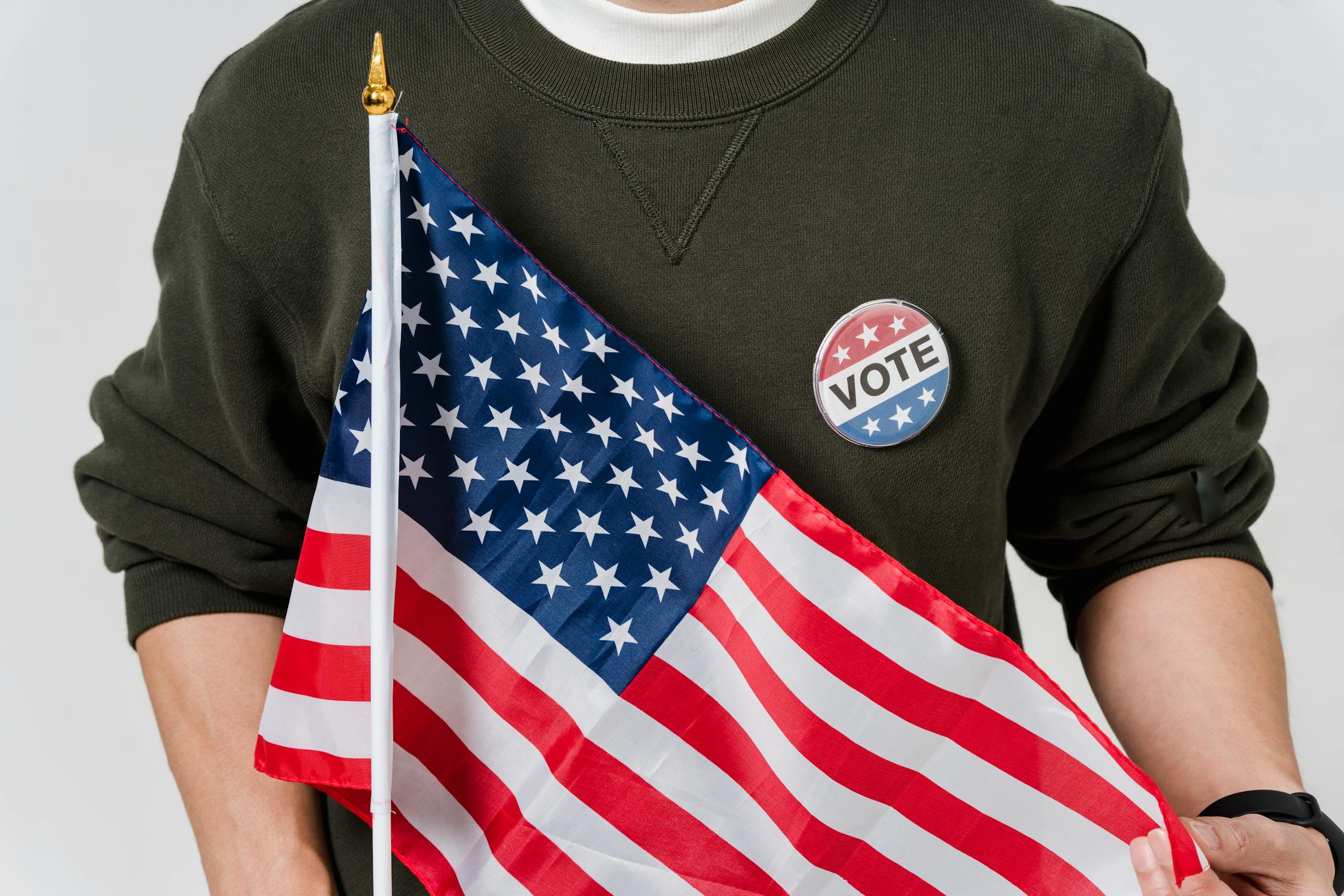
Many Americans might agree with this on some days, but hearing it from someone else can still sting. Politics in the United States is not just a debate on television. It affects families, workplaces, schools, churches, neighborhoods, courts, healthcare, immigration, safety, and friendships. People may be exhausted by it, frightened by it, angry about it, or completely tired of being asked to explain it.
The phrase also puts one person in the awkward position of having to defend or apologize for an entire political system. Most Americans did not personally design the chaos. If politics comes up, it is better to ask what issues matter most to them or how the mood feels where they live. That opens a door. Calling the whole country insane usually slams it shut.
“I Could Never Live In America”
This can be a fair personal opinion, but it often lands badly when said directly to an American. It may sound like you are not only rejecting the country but also judging the person’s home, family, memories, and daily life. Even Americans who complain about their country may not appreciate hearing it dismissed like an unlivable disaster.
A more thoughtful version would explain what feels difficult to adjust to, such as healthcare costs, car dependence, work culture, politics, or distance from family. That turns the comment into a conversation instead of a verdict. Americans can be highly self-critical, but many still hold affection for the places that raised them. A country can frustrate someone and still be home.