7 Difficulties Vietnam Vets Faced When They Returned Home: The Hard Truth Behind America’s Delayed Welcome
Returning from the Vietnam War was not the homecoming that countless veterans expected. More than 2.7 million Americans served in Vietnam, yet over 58,000 never came home. Those who survived returned to a nation divided by politics, antiwar sentiment, and social unrest. They carried physical wounds, psychological trauma, and memories that no one could fully understand. For many, the transition into civilian life was more challenging than surviving combat. Their struggles shaped families, communities, and American society for decades.
Public Rejection and Social Isolation
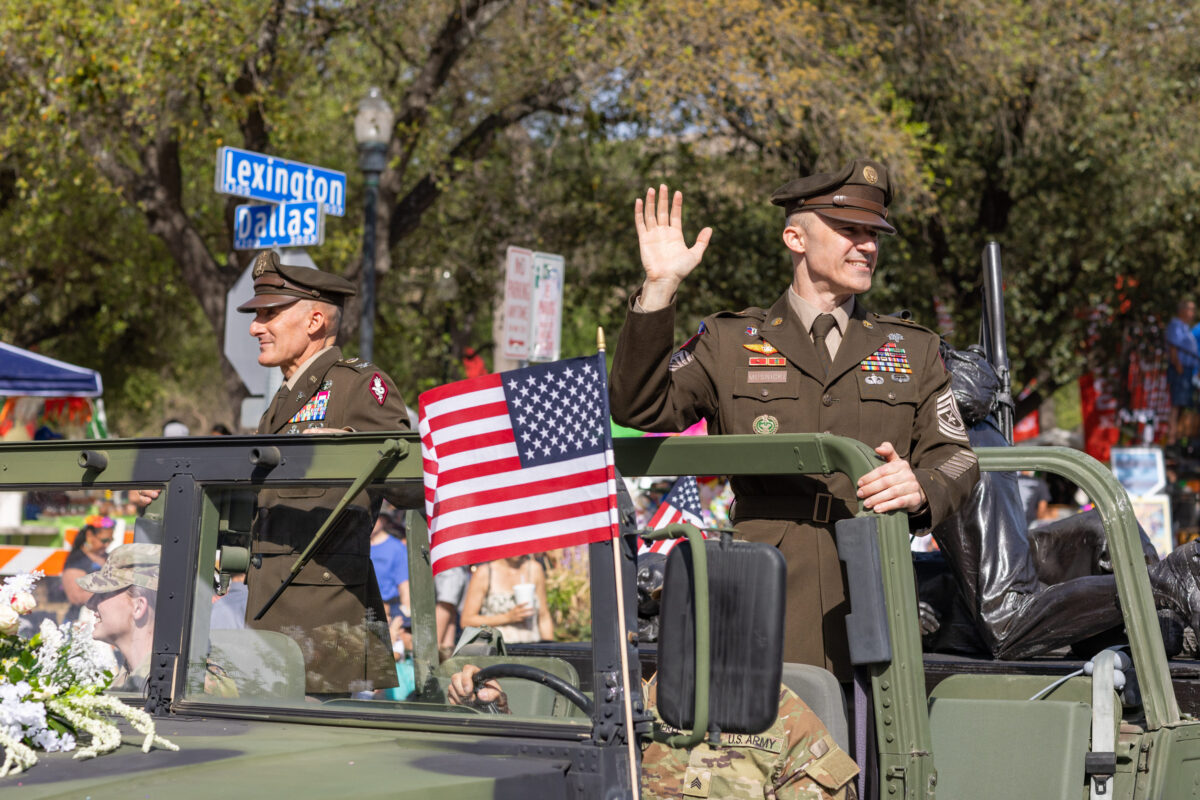
Vietnam veterans returned to an America deeply divided over the war. Antiwar protests, political debates, and widespread skepticism about U.S. involvement often manifested as indifference or hostility toward returning service members. Many veterans described being treated coldly by civilians, being avoided at social gatherings, or being confronted with judgmental comments that made them feel unwelcome.
The lack of public recognition created profound isolation. Veterans who had risked their lives for their country found themselves alienated from the very society they had defended. Social alienation compounded mental health challenges and made reintegration into schools, workplaces, and communities extremely difficult. The absence of public ceremonies, parades, or official recognition left veterans without validation for their service, intensifying feelings of betrayal and loneliness.
Post-Traumatic Stress Disorder and Emotional Trauma
Many returning soldiers experienced severe psychological effects. Nightmares, hypervigilance, flashbacks, emotional numbness, survivor’s guilt, and panic attacks were common, yet post-traumatic stress disorder was not formally recognized until 1980. Veterans often faced misunderstanding and stigma from families, employers, and medical professionals, who interpreted symptoms as personality flaws or behavioral problems.
Studies indicate that up to 30 percent of Vietnam veterans suffered from PTSD at some point after returning home. These symptoms affected their ability to work, form relationships, and maintain mental and physical health. Veterans frequently struggled with insomnia, anxiety, and emotional withdrawal. Families often became the primary support system without proper guidance, leading to strained relationships and prolonged domestic stress.
Physical Health Issues from Agent Orange Exposure
Exposure to herbicides such as Agent Orange created long-term health complications for millions of veterans. The toxic chemicals used during the war have been linked to cancers, neurological disorders, diabetes, heart disease, liver problems, and other chronic illnesses. Many veterans developed conditions decades after their service, complicating diagnosis and treatment.
The process of securing medical recognition and benefits was arduous and bureaucratic. Veterans had to gather evidence, undergo medical examinations, and navigate complex claims processes. Families were often left anxious about long-term consequences, including congenital health issues in children. The exposure turned the war into a decades-long struggle with uncertainty and fear for personal and family health.
Employment Challenges and Financial Struggles
Reentering the civilian workforce was an immense challenge for many veterans. Military skills such as combat leadership, tactical decision-making, and crisis management were often undervalued in civilian employment. Interrupted education and missed career-building opportunities further disadvantaged returning soldiers.
Economic stress magnified the impact of psychological and physical injuries. Veterans with untreated PTSD or chronic illness faced difficulty maintaining jobs, which in turn affected income stability and access to healthcare. Many veterans experienced underemployment, low wages, or repeated career setbacks, leaving them struggling to build a stable civilian life and meet family responsibilities.
Family Strain and Relationship Difficulties
Returning veterans faced challenges reintegrating into family life. Emotional numbness, irritability, and trauma-related symptoms disrupted marriages, parenting, and sibling relationships. Many veterans felt disconnected from the families they had left behind and struggled to express emotion or communicate about their experiences.
Family members often bear the invisible weight of war trauma. Children adapted to unpredictable moods or silences, spouses faced heightened stress, and domestic tensions sometimes escalated into divorce or long-term estrangement. The homecoming experience revealed that the impacts of war extended beyond the individual veteran, shaping family dynamics and creating intergenerational effects.
Substance Abuse and Self-Medication

Alcohol and drugs became a common coping mechanism for veterans trying to manage trauma. Substance use temporarily eased symptoms such as nightmares, anxiety, and depression, but it often led to addiction, health deterioration, and strained personal relationships.
Substance abuse also reinforced public stigma. Veterans who struggled with addiction were frequently perceived as irresponsible or morally weak, obscuring the underlying cause of their behavior. This lack of understanding delayed effective treatment and contributed to cycles of isolation, mental health deterioration, and economic instability.
Gender and Minority-Specific Challenges
Women and minority veterans faced additional layers of difficulty. Female service members, particularly nurses and medical personnel, often returned to a society that minimized or ignored their contributions. Their trauma was frequently invisible, and access to appropriate care was limited.
Minority veterans, including Black, Latino, Native American, and Asian American service members, faced structural discrimination in housing, education, employment, and healthcare. Many served their country while experiencing inequality at home, compounding stress and complicating reintegration. These layered challenges created unique barriers to recovery, support, and recognition.