10 Mistakes America Keeps Repeating Like It Forgot the Last Lesson
America loves to call itself a country of second chances, but sometimes it acts like a country determined to retake the same test with the same wrong answers. Every generation inherits a fresh crisis, blames the people before them, then quietly repeats the habits that caused the mess. The names change, the slogans change, and the technology gets shinier, but the pattern feels painfully familiar.
The danger is not that America makes mistakes. Every nation does. The danger is that America often refuses to learn until the cost becomes impossible to ignore. From money and politics to education, health, justice, and trust, the country keeps walking back into problems it already survived once before.
Ignoring Warning Signs Until Everything Breaks

America has a long habit of treating obvious warnings like background noise. Housing bubbles, failing bridges, public health risks, student debt, and climate disasters rarely arrive without warning signs. People point them out for years, but action usually waits until the damage becomes expensive, emotional, and impossible to spin.
This mistake keeps repeating because prevention does not make good political theater. Fixing something early feels boring, even when it saves lives and money. By the time leaders respond, the country is no longer solving a problem. It is cleaning up a disaster.
Letting Politics Turn Every Problem Into a Team Sport
America keeps turning basic issues into partisan cage fights. Roads, hospitals, schools, public safety, elections, and disaster response should not require people to pick a jersey first. Yet the country often argues over who gets credit or blame before asking what actually works.
This has created a culture where facts can feel less important than loyalty. When citizens stop trusting the same reality, solutions become harder to sell. The result is a country that can quickly identify many problems, then spend years fighting over whether they are even real.
Spending Like Tomorrow Will Pay the Bill

America keeps borrowing against the future, then acting shocked when the bill grows heavier. Debt is not always bad, especially during war, recession, or national emergencies. The bigger mistake is pretending that every expensive promise can survive forever without tradeoffs.
Families understand this better than politicians often admit. When costs rise, interest grows, and income cannot keep up, choices get painful. The nation faces the same math. Kicking the can down the road may feel easier today, but eventually that road runs through someone’s paycheck, taxes, benefits, or public services.
Treating Education Like a Luxury Instead of a Foundation
America praises education in speeches, then makes too many families fight, borrow, and sacrifice for it. The country tells young people that degrees are tickets to stability, yet many graduates begin adulthood carrying debt before they have built savings, homes, or careers.
This mistake reaches beyond college campuses. Underfunded schools, teacher shortages, unequal resources, and expensive training pathways create a society where talent is wasted. America cannot keep demanding innovation while making opportunity feel like a private purchase. A country that prices people out of learning eventually prices itself out of progress.
Reacting to Health Problems Instead of Preventing Them
America spends heavily on illness, but often struggles to build a culture of prevention. Too many people delay care because of cost, fear, long waits, or confusing insurance rules. By the time they get help, small problems may have become major ones.
The country repeats this mistake because treatment is easier to monetize than prevention. Hospitals, drugs, emergency care, and late-stage interventions dominate the conversation. Healthier food, safer housing, mental health support, clean air, and regular checkups sound simple, but they decide how sick a nation becomes before anyone reaches a hospital bed.
Building Wealth for the Few and Stress for the Many
America keeps celebrating big economic wins while millions of people feel stuck behind the glass. Stock markets may climb, corporate profits may rise, and luxury spending may boom, yet many workers still struggle with rent, groceries, childcare, transportation, and medical bills.
This gap creates quiet anger. People do not resent success as much as they resent feeling locked out of it. When hard work no longer feels connected to stability, trust begins to crack. America keeps repeating the mistake of measuring prosperity at the top, then wondering why pressure keeps building below.
Confusing Toughness With Justice
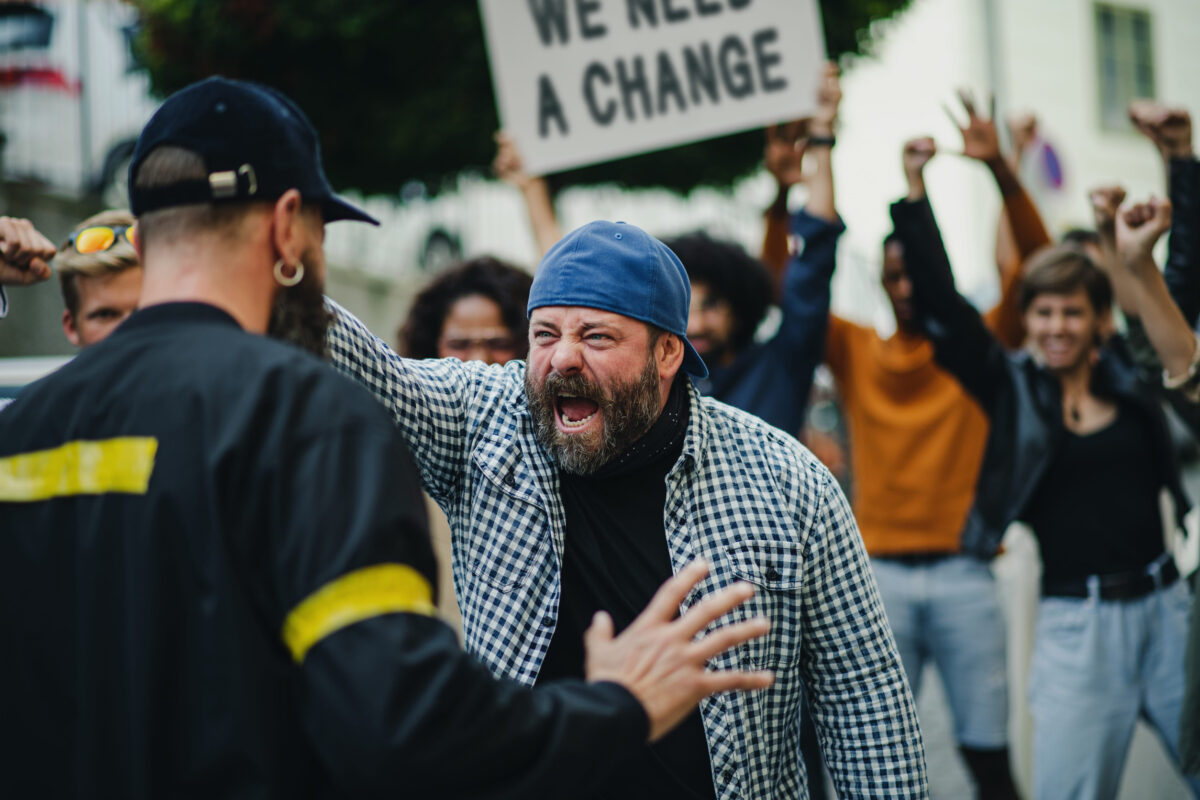
America has often conflated toughness with fairness. Harsh punishment can sound satisfying in the moment, especially after frightening crimes, but justice is supposed to protect society, repair harm where possible, and prevent future damage. A system that only punishes can become expensive, crowded, and uneven.
This mistake damages families and communities long after headlines fade. It also creates a cycle where people leave prison with fewer chances, fewer resources, and more stigma. Public safety matters deeply, but America keeps learning that punishment without prevention, rehabilitation, and fairness does not heal the wound. It often keeps it open.
Forgetting That Infrastructure Is a Daily Lifeline
America loves big projects after disasters, but often neglects the boring systems people use every day. Roads, bridges, pipes, rail lines, ports, power grids, schools, and broadband networks do not trend until they fail. Then suddenly, everyone notices how much daily life depends on things that were ignored for decades.
Infrastructure is not glamorous, but it is the skeleton of the country. When it weakens, everything gets harder and more expensive. Workers lose time in traffic. Businesses lose money due to delays. Families deal with unsafe water, power outages, and limited access. America keeps relearning that maintenance is cheaper than collapse.
Letting Fear Write Bad Policy

Fear has shaped some of America’s worst decisions. Fear of outsiders, fear of crime, fear of economic change, fear of cultural loss, and fear of political enemies can push the country into rushed laws and cruel choices. Fear feels powerful because it gives people a villain before it offers them a solution.
The problem is that fear usually oversimplifies complicated issues. It turns neighbors into threats and policy into punishment. America often looks back on past fear-driven moments with regret, only to repeat the same emotional pattern under a new headline. Courage is not pretending problems do not exist. Courage is refusing to let panic govern.
Losing Trust and Acting Like It Does Not Matter
A country cannot function on suspicion forever. When people stop trusting elections, courts, media, schools, science, police, government, or one another, every crisis becomes harder to manage. Trust does not mean blind agreement. It means people believe the system can still be corrected without burning the whole thing down.
America keeps making the mistake of treating trust like a soft issue. It is not. Trust decides whether people follow emergency guidance, accept election results, report crimes, pay taxes, send children to school, or believe public decisions are made in good faith. Once trust breaks, rebuilding it takes more than speeches. It takes honesty, accountability, and visible fairness.