Trump Revives Fierce Attack on Obama’s Iran Nuclear Deal as Global Fears Grow
A single Facebook post has pulled one of America’s most explosive foreign policy arguments back into the spotlight. President Donald Trump used his page to attack Barack Obama’s Iran nuclear agreement, the Joint Comprehensive Plan of Action, better known as the JCPOA, framing it as a dangerous mistake that gave Tehran too much room, too much money, and too much time.
The message landed at a tense moment. Iran’s nuclear program is again at the center of global diplomacy, military pressure, and watchdog concern. For Trump, the old deal remains a symbol of what he views as weak negotiation. For supporters of the agreement, the JCPOA was a flawed but useful barrier that slowed Iran’s nuclear progress and opened the door to inspections.
The Deal That Never Stopped Haunting Washington

The JCPOA was reached in July 2015 by Iran, the United States, Britain, France, Germany, Russia, China, and the European Union. Its goal was simple in theory but difficult in practice: restrict Iran’s nuclear activity in exchange for sanctions relief.
Under the agreement, Iran accepted strict limits on uranium enrichment, reduced its stockpile, and agreed to international monitoring. The deal capped enrichment at 3.67 percent for 15 years, far below the level needed for a nuclear weapon. Iran also agreed to reduce its centrifuges and ship out or dilute excess enriched uranium.
In return, sanctions on major parts of Iran’s economy were lifted. That included restrictions affecting oil, banking, shipping, trade, and other sectors. This was the part that critics, especially Trump, attacked most fiercely. They argued that sanctions relief gave Iran financial breathing room without permanently ending the nuclear threat.
Why Trump Walked Away
Trump withdrew the United States from the JCPOA in May 2018 during his first term. His administration argued that the deal failed to address Iran’s ballistic missile program, regional proxy networks, and long-term nuclear ambitions. The White House also criticized the agreement’s sunset provisions, which allowed some limits to expire over time.
That decision reshaped the entire debate. Supporters praised Trump for taking a harder line. Critics warned that leaving the deal would weaken inspections, isolate Washington from allies, and push Iran to restart nuclear activity faster.
Those warnings became part of the political argument after Iran began to breach certain limits in 2019. Tehran said it was responding to the U.S. withdrawal and renewed sanctions. Washington said Iran’s actions proved the deal had never been strong enough.
Iran’s Nuclear Program Is Back in the Danger Zone
Today, the argument is no longer only about 2015 or 2018. It is about what Iran has now, what inspectors can verify, and whether diplomacy can still control the risk.
International concern has grown over uranium enriched up to 60 percent purity. That is not weapons-grade, which is usually around 90 percent, but it is much closer than the low levels allowed under the JCPOA. Experts and watchdog officials view that level as a serious warning sign because the technical distance to weapons-grade becomes smaller.
The International Atomic Energy Agency has also pressed Iran for more cooperation. Inspectors need access, documents, and a clear accounting of nuclear material. When access becomes limited, suspicion grows. In nuclear diplomacy, uncertainty can be almost as dangerous as confirmation.
The Political Power of Trump’s Message
Trump’s Facebook post matters because it turns a technical nuclear dispute into a political story voters can understand. He is not arguing about centrifuge models or safeguards language. He is telling supporters that he was right years ago, and that the world is now seeing the cost of the Obama-era deal.
That message fits Trump’s larger political style. He often turns policy disputes into sharp moral contrasts: strength versus weakness, pressure versus surrender, America first versus global compromise. In Iran, that contrast has followed him for years.
The challenge is that the facts are complicated. The JCPOA did restrict Iran’s nuclear program and gave inspectors broad access. It also failed to cover every threat Iran posed in the region. Trump’s withdrawal increased pressure on Tehran, but it also helped bury the agreement and left diplomats struggling to rebuild control later.
What Happens Next Could Matter Far Beyond Iran
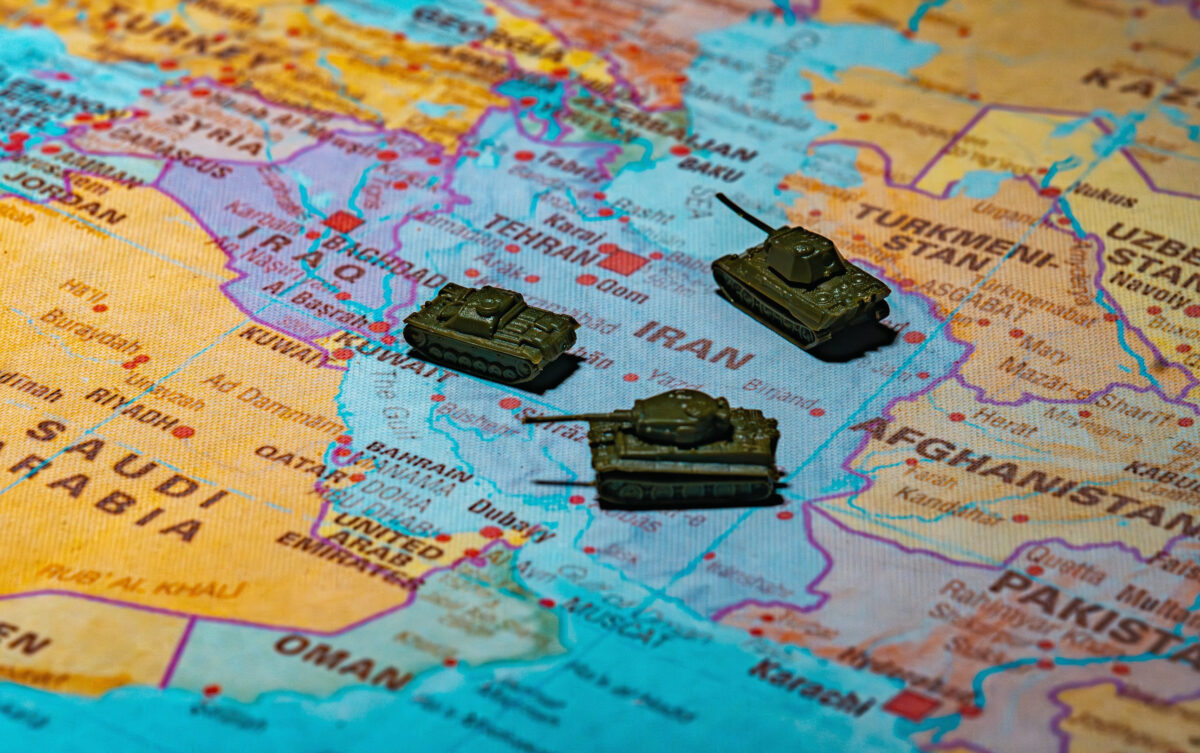
The new pressure around Iran is not just about Washington politics. It affects Israel, Gulf states, Europe, oil markets, and global security. A nuclear crisis in the Middle East could raise energy fears, trigger military escalation, and deepen distrust between major powers.
Any future agreement would likely face the same hard questions. Should Iran be allowed any enrichment? How should inspectors verify compliance? What happens to the enriched uranium already produced? Should sanctions relief come early, late, or only after proof? These are not small details. They are the foundation of whether a deal survives.
Trump’s renewed attack on the JCPOA shows that the Iran debate is still unfinished business in American politics. The 2015 agreement was supposed to freeze a nuclear crisis. Instead, it became a lasting symbol of how divided Washington is over power, diplomacy, and trust.
For Americans watching from far away, the issue may feel distant. But the stakes are not distant at all. A nuclear-armed Iran would change the Middle East. A failed negotiation could bring another war closer. And a rushed deal without strong verification could repeat the same argument.
That is why one Facebook post matters. It is not just a political jab at Obama. It is a reminder that the Iran nuclear question remains one of the most dangerous unfinished stories in U.S. foreign policy.