12 Brutal Reasons Americans Are Losing Faith in California in 2026
California was once the symbol of the American Dream: sun, beaches, movie stars, tech fortunes, and the promise that anything was possible. Today, for many Americans, it represents everything wrong with modern living. Skyrocketing costs, gridlocked cities, political infighting, and social instability have replaced the promise. The state that once inspired envy is now a cautionary tale.
Homelessness
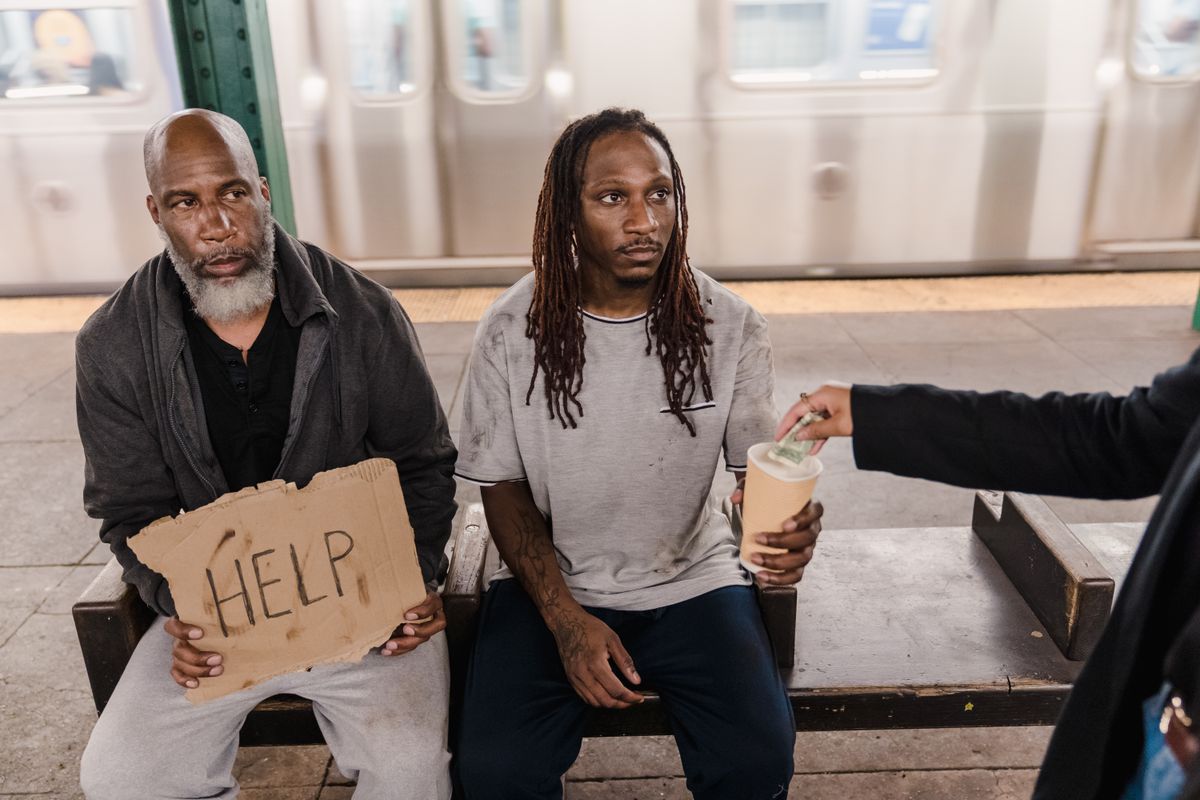
The state’s homelessness crisis has reached staggering proportions. Tent cities stretch along highways in Los Angeles, San Francisco, and Sacramento, creating a public spectacle of systemic failure. Despite billions in taxpayer money and social programs, roughly 161,000 people are homeless statewide, with mental health and addiction issues compounding the problem. For Americans watching from afar, this is wealth and poverty side by side, a glaring example of inequality gone unchecked.
Taxes and Fees That Punish Residents
Income taxes top 13.3 percent, sales tax averages 8.5 percent, and gas taxes are the highest in the nation. Even basic necessities come with hidden costs. Critics argue Californians are overburdened for a state that still struggles to provide reliable infrastructure, safe communities, and functional public services.
Traffic Gridlock and Lost Time
Los Angeles commuters spend over 100 hours a year stuck in traffic. Freeways, once marvels of engineering, are now choke points, stealing productivity and personal time. For many, the dream of Californian freedom is replaced by the daily grind of bumper-to-bumper despair.
Natural Disasters That Never Quit
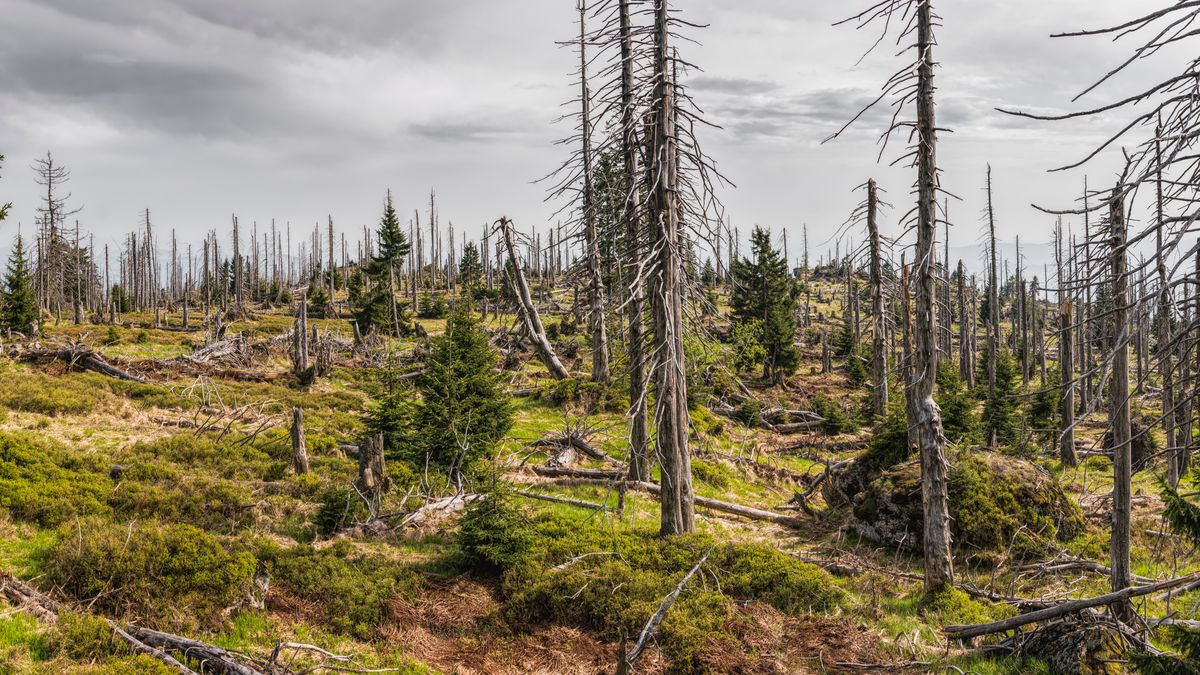
Wildfires, earthquakes, mudslides, and droughts dominate headlines every year. Californians live with a constant risk to life and property, driving up insurance premiums and emergency preparedness costs. Beauty comes at a price that many Americans outside the state view as untenable and reckless.
Skyrocketing Cost of Living
From groceries to gasoline, the cost of living has outpaced wages for decades. A teacher in San Diego earns $60,000 a year but faces monthly expenses exceeding $5,000 for rent, utilities, and basic food. Everyday survival requires trade-offs that would be unimaginable in other states.
Political Division and Overreach
California’s progressive policies, while celebrated by some, are polarizing nationwide. Critics argue that the state acts as a political billboard, preaching ideals while struggling to address local problems such as homelessness, crime, and water shortages. Americans outside the state often see California as arrogant and out of touch, imposing moral lessons without solutions.
Tech Hubs That Exclude the Middle Class
Silicon Valley’s fortunes have created unprecedented wealth but left middle-income workers behind. Rent in Palo Alto averages $5,000 a month, tech benefits accrue to the elite, and service workers are squeezed out of the communities they support. The contrast between billion-dollar tech and struggling residents paints a picture of systemic inequity.
Cultural Smugness and Celebrity Obsession

Hollywood, influencers, and tech personalities amplify the perception that California lives in a bubble. Outside observers see a culture obsessed with image, trends, and celebrity, creating resentment among Americans who feel lectured by those who do not face the same struggles.
Wildfires and Environmental Mismanagement

Environmental crises compound daily life stress. In 2026, over 8 million acres burned statewide, causing property loss, air quality issues, and forced evacuations. The state’s infrastructure struggles to keep pace, leaving Americans shaken by the chaos behind the scenic postcards.
Crime and Public Safety Concern
Rising crime in cities like Oakland, Los Angeles, and Sacramento adds to public unease. Carjackings, property theft, and gang activity dominate news cycles, giving outsiders the impression that California’s prosperity cannot guarantee safety.
California as a Warning Sign for the Nation
Many Americans now view California as a preview of a possible national future. Housing crises, extreme weather, political tension, and skyrocketing costs are visible warnings. Observers worry that trends seen in California—income inequality, displacement, and civic frustration—may soon spread nationwide, turning the Golden State into a cautionary tale.
Housing Costs That Crush Families
California’s housing market has become an impossible obstacle for average Americans. Median rent for a one-bedroom apartment in San Francisco now exceeds $3,200, while in Los Angeles, the average is over $2,500. Families are forced to live farther from work, endure long commutes, or sacrifice quality of life just to pay the mortgage. Housing scarcity fuels a sense of permanent instability, turning the Golden State dream into a financial nightmare.