8 Brutal Cult Leaders Who Destroyed Thousands of Lives
Throughout history, certain charismatic figures have preyed on vulnerability, turning hope and faith into control, fear, and exploitation. These leaders promised salvation, enlightenment, or community, but instead delivered abuse, manipulation, and tragedy. Their actions left thousands psychologically scarred, financially ruined, or dead. Understanding these figures reveals how dangerous unchecked power can become when combined with ideology.
David Koresh
David Koresh led the Branch Davidians in Waco, Texas, using apocalyptic prophecy to consolidate control. Koresh dictated finances, relationships, and personal behavior, including sexual access to women, under the guise of divine authority. The 1993 siege ended with 76 deaths, a grim testament to how religious extremism combined with unchecked power can result in catastrophic loss. Koresh’s ability to isolate and dominate his followers created a culture of fear and absolute obedience.
Charles Manson
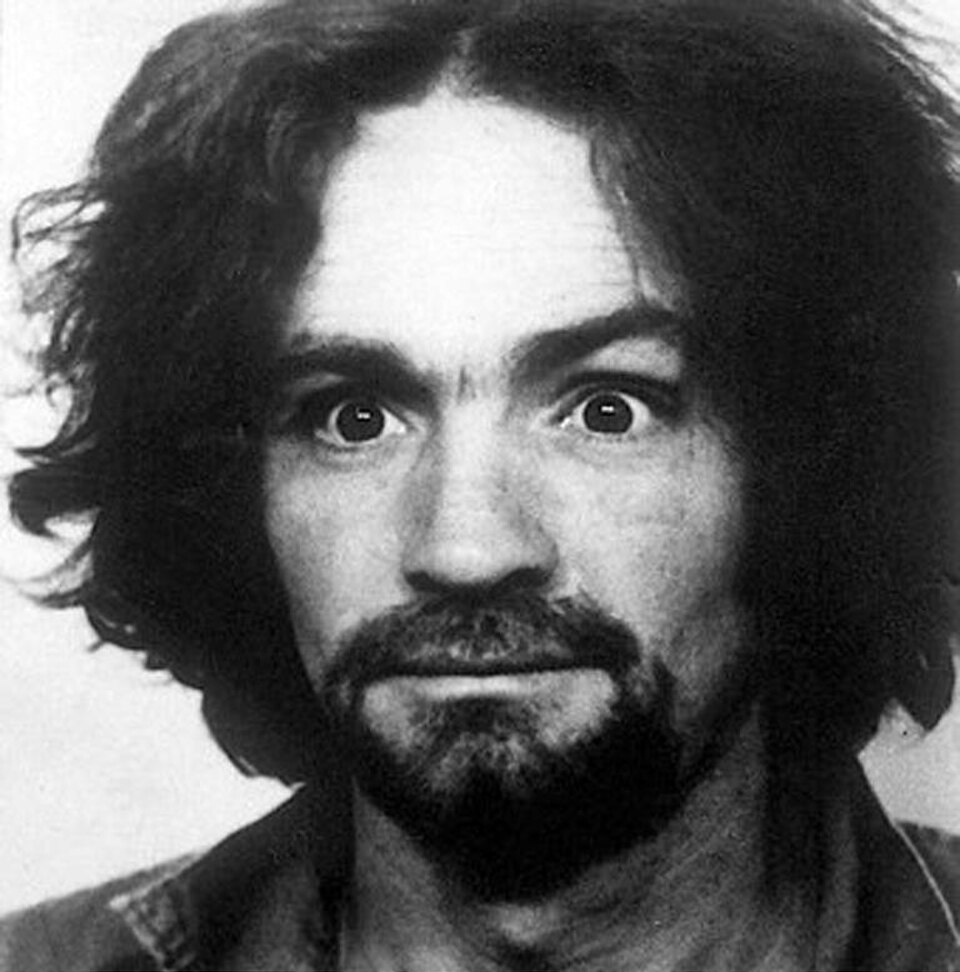
Charles Manson manipulated countercultural disenchantment and social isolation to recruit followers. Using drugs, ideology, and charisma, he convinced his inner circle that violent acts were necessary to spark a race war called Helter Skelter. Members committed brutal murders under his influence. Manson exploited vulnerability and rebellion, transforming a small group into willing agents of terror. The crimes remain an iconic warning of how ideology and psychological coercion can produce extreme violence.
Bhagwan Shree Rajneesh
Osho, or Bhagwan Shree Rajneesh, created a commune in Oregon that combined meditation and liberal sexual practices with totalitarian control. Followers were isolated, financially exploited, and manipulated into political schemes, including bioterror attacks. Rajneesh exploited the human desire for self-realization, masking obedience as enlightenment. Critical thinking was systematically suppressed, leaving members dependent on the commune and its leader for survival and identity.
Marshall Applewhite
Marshall Applewhite of Heaven’s Gate used apocalyptic beliefs and extraterrestrial mythology to command obedience. He convinced 39 followers to commit mass suicide in 1997, asserting that their deaths would allow them to board a spacecraft trailing the Hale-Bopp comet. Applewhite’s cult exploited isolation, existential fear, and a longing for meaning. His manipulation demonstrates how ideology can twist hope into lethal obedience.
Keith Raniere

Keith Raniere, founder of NXIVM, presented his organization as a self-help and leadership program while secretly creating a coercive hierarchy. Women were branded, sexually exploited, and psychologically controlled. Dissenters faced humiliation and ostracism. Convicted of sex trafficking and racketeering, Raniere’s methods relied on fear, loyalty, and deception. His case illustrates how modern cults can operate under a veneer of legitimacy, exploiting legal and social structures to manipulate vulnerable individuals.
Shoko Asahara
Shoko Asahara, founder of Japan’s Aum Shinrikyo, began as a spiritual teacher but quickly evolved into a figure of terror. Exploiting apocalyptic fears, he convinced followers that only he could offer salvation. Asahara’s orders escalated from harassment and abduction to chemical attacks, including the 1995 Tokyo subway sarin attack that killed 13 and injured thousands. His cult combined religious ritual with psychological terror, using fear to enforce obedience. Followers were isolated from family and society, punished for disobedience, and subjected to intense indoctrination. Asahara’s reign shows how faith can be twisted into mass murder when charisma is weaponized.
Jim Jones
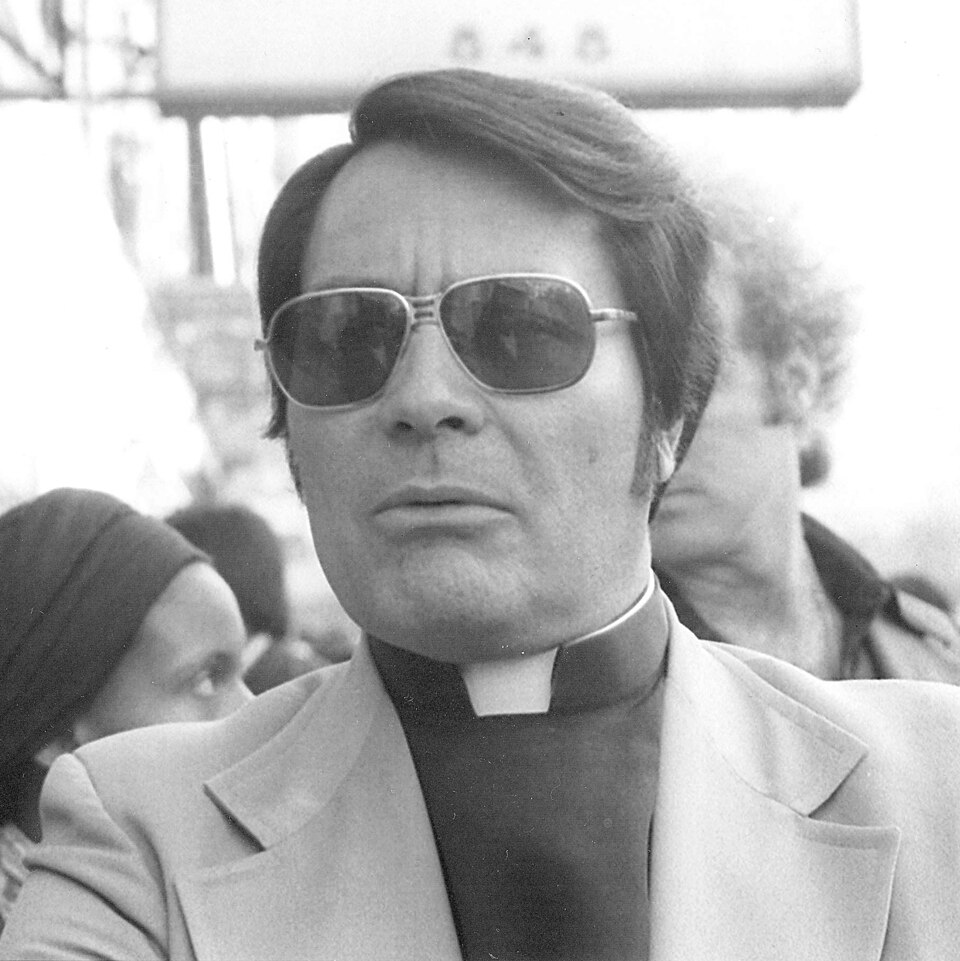
Jim Jones, founder of the People’s Temple, lured marginalized Americans with promises of equality and a utopian community. His tactics were sinister: isolating followers, monitoring relationships, and punishing dissent. In 1978, over 900 members died in Jonestown, Guyana, in a mass suicide-murder orchestrated by Jones. His psychological control extended to food, work, and social bonds, creating a system where questioning his authority was nearly impossible. The Jonestown tragedy illustrates the deadly consequences of absolute control over a dependent community.
Sun Myung Moon
Sun Myung Moon, founder of the Unification Church, engaged in subtle yet pervasive manipulation. Mass weddings, regimented practices, and relentless fundraising ensured members were financially and socially dependent. Followers were coerced to prioritize devotion over family, career, or autonomy. Moon’s church demonstrates that cultic exploitation does not require overt violence. Instead, systemic psychological and social control can quietly consume lives, leaving financial and emotional devastation in its wake.