
The man accused of killing a top Minnesota Democratic lawmaker and her husband is due to change his plea.
The Minnesota case that stunned the state, rattled elected officials, and left two families forever changed is now moving toward a major courtroom moment.
Vance Boelter, the man accused of killing former Minnesota House Speaker Melissa Hortman and her husband, Mark Hortman, is due in federal court in Minneapolis for a change-of-plea hearing. The hearing comes after federal prosecutors said they would not seek the death penalty as part of a proposed plea agreement.
For Minnesotans who remember the fear that spread after the June 14, 2025, attacks, this is more than a legal update. It is the next chapter in a case that turned front porches, early-morning knocks, and political service into symbols of danger.
Boelter is charged in the deaths of Melissa and Mark Hortman, and in the shootings of state Sen. John Hoffman and his wife, Yvette Hoffman. Prosecutors have described the attacks as politically motivated. They say the suspect came to the victims’ homes disguised as a police officer and driving a fake squad car.
That detail remains one of the most chilling parts of the case. The uniform, the vehicle, and the timing created the appearance of authority at the very moment families were most vulnerable.
A Case Built Around Fear, Planning, and Political Violence
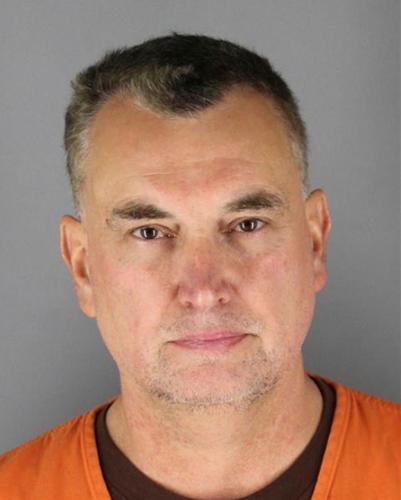
The attacks unfolded in the early hours of June 14, 2025. Authorities say Boelter first went to the home of Sen. John Hoffman and his wife, Yvette, in Champlin, Minnesota. Prosecutors say he posed as law enforcement, got the couple to answer the door, and then opened fire.
John and Yvette Hoffman survived, but the violence did not end there. Prosecutors say Boelter then traveled to other locations connected to elected officials before arriving at the home of Melissa and Mark Hortman in Brooklyn Park.
There, authorities say, the former House speaker and her husband were shot and killed. Their golden retriever was also badly injured and later had to be euthanized, a detail that deepened the grief for many people following the case.
The killings triggered a massive law enforcement response. Boelter was captured near his home in Green Isle after what prosecutors have called the largest search for a suspect in Minnesota history.
The scale of that manhunt reflected the fear of the moment. This was not treated as an isolated domestic tragedy or a random burst of violence. Authorities were dealing with what they believed was a targeted attack on public officials, their spouses, and possibly others.
Federal prosecutors later said the case involved research, planning, and a broader pattern of targeting. Boelter was indicted on six federal charges connected to the killings, shootings, stalking allegations, and firearms violations.
He also faces state charges, though the state case has been on hold while the federal case moves forward.
Why the Death Penalty Decision Matters
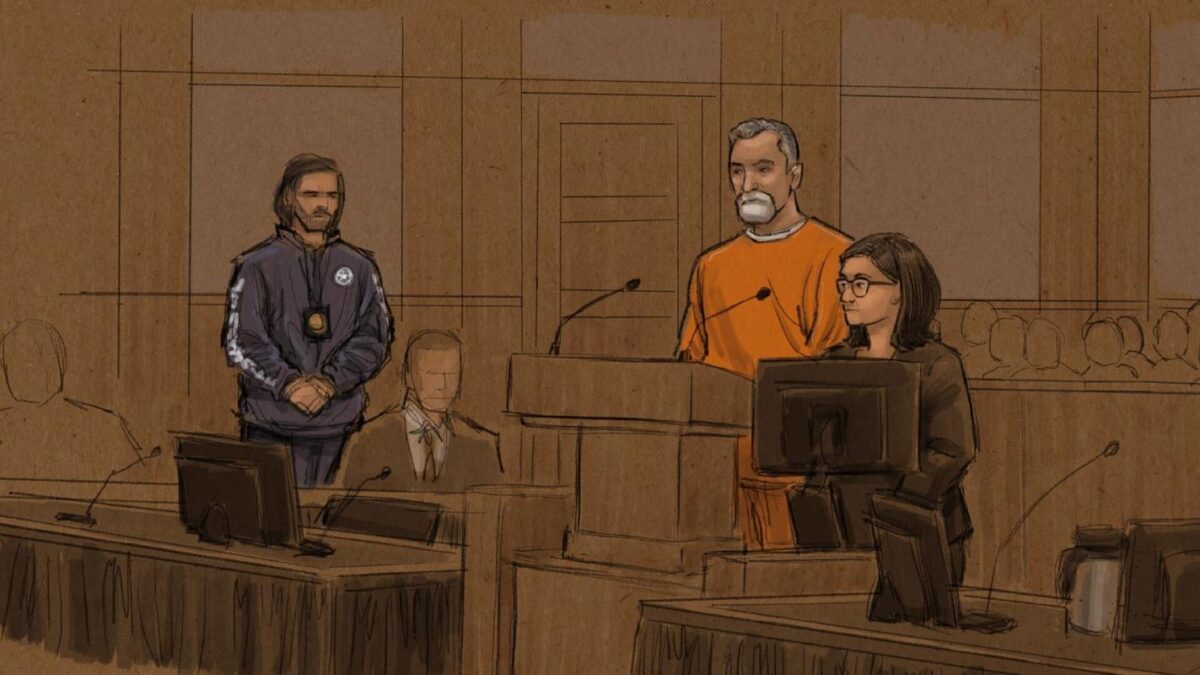
One of the biggest developments came when federal prosecutors said they would not seek the death penalty against Boelter.
Minnesota does not have a state death penalty. The state abolished capital punishment more than a century ago, which meant the only possible path to a death sentence would have been through federal court.
For months, that question hung over the case. Would the federal government pursue capital punishment in a case prosecutors described as a political assassination? Or would the law, the charges, and a plea agreement move the case in another direction?
The answer now appears clearer. Prosecutors notified the court that the Justice Department would not seek the death penalty under the proposed plea agreement. The full terms of that agreement were not immediately detailed in the public filings reported by major outlets.
That does not make the case less serious. Boelter still faces grave federal and state charges, and any plea would have to be accepted in court. But the decision changes the legal stakes and could move the case away from a long fight over the death penalty.
Courthouse News reported that federal officials cited legal questions around whether the underlying stalking charges would qualify for capital punishment under federal law. In plain language, the issue was not only whether the allegations were horrifying. It was also whether the case’s legal structure fit the narrow path required for a federal death sentence.
That distinction matters because criminal cases do not move on public outrage alone. They move on statutes, charges, evidence, hearings, plea agreements, and judicial approval.
For victims’ families and survivors, though, the legal mechanics may feel painfully distant from the reality of what happened. Two people are dead. Two others survived gunfire. A daughter lived through terror. A state was forced to confront the possibility that public service could make someone a target at home.
The Families at the Center of the Story
Melissa Hortman was not only a political figure. She was one of the most recognizable Democratic leaders in Minnesota politics. She served in the Minnesota House for about two decades and became House speaker, helping shape major debates in the state.
Mark Hortman, her husband, was pulled into the violence not because he held office, but because he was at home beside her. That is part of what made the case feel so personal to many readers. The attack did not happen at a rally, a campaign office, or a public event. It happened at a private residence, in the dark hours of the morning.
John and Yvette Hoffman survived, but survival does not mean the story ended for them. Reports have described lasting physical and emotional trauma for the Hoffmans and their family. Their daughter, Hope Hoffman, was also allegedly targeted, according to the federal indictment.
That is why this case has carried such a heavy public safety concern. It was not simply about elected officials. It was about spouses, children, homes, neighborhoods, and the fragile trust people place in the signs of law enforcement.
When someone allegedly uses a police disguise to approach a door, it creates a frightening dilemma for ordinary residents. People are taught to respond to officers. They are also taught to protect their homes. This case sits at the terrifying intersection of those instincts.
What Happens Next in Court
The scheduled change-of-plea hearing could become a defining moment in the federal case. Boelter had previously pleaded not guilty to the federal charges. A change-of-plea hearing usually means a defendant is expected to alter that plea, often under a negotiated agreement.
Still, the hearing itself matters. A judge must address the defendant in court, review the plea, and make sure any change is made knowingly and voluntarily. The court must also deal with the terms of the agreement and the possible sentence.
Because the death penalty is now off the table in the federal case, attention may shift to whether Boelter faces life in prison or another severe sentence if the plea is accepted. The state case remains another piece of the larger legal picture.
The Hennepin County Attorney’s Office has said the federal plea agreement would not erase the state charges. That means Minnesota prosecutors may still have a role after the federal case is resolved.
For the public, the courtroom update may feel like movement after months of dread. For the families, it may be another hard step through a process they never asked to enter.
This is the kind of case that leaves behind more than court filings. It leaves behind questions about political anger, public safety, copycat fears, police impersonation, and how communities protect people who serve in public life without turning democracy into a guarded bunker.
The hearing may answer one legal question. It will not answer every human one.
Minnesota is now watching to see whether the accused man formally changes his plea, what punishment federal prosecutors will seek, and how the state case may proceed afterward. The courtroom may bring structure to the case, but the pain behind it remains much harder to contain.


