Deadly Head-On Crash on U.S. 290 Leaves Southwest Travis County Shaken
A Wednesday evening drive turned tragic in southwest Travis County after a head-on crash on U.S. 290 left one adult dead and another person injured.
According to CBS Austin, Austin-Travis County EMS said crews responded around 6 p.m. to the 10700 block of West U.S. 290, near Fitzhugh Road, after reports of a two-vehicle head-on collision. Medics pronounced one adult dead at the scene. A second adult was taken to St. David’s South Austin Medical Center with injuries described as minor.
For many people who travel that stretch of road, the news landed with a familiar heaviness. U.S. 290 is not just another highway on a map. It is a daily route for workers, families, contractors, students, visitors, and residents moving between Austin, Dripping Springs, and the growing communities west of the city.
On Wednesday night, that ordinary road became the center of a fatal investigation.
What happened on West U.S. 290
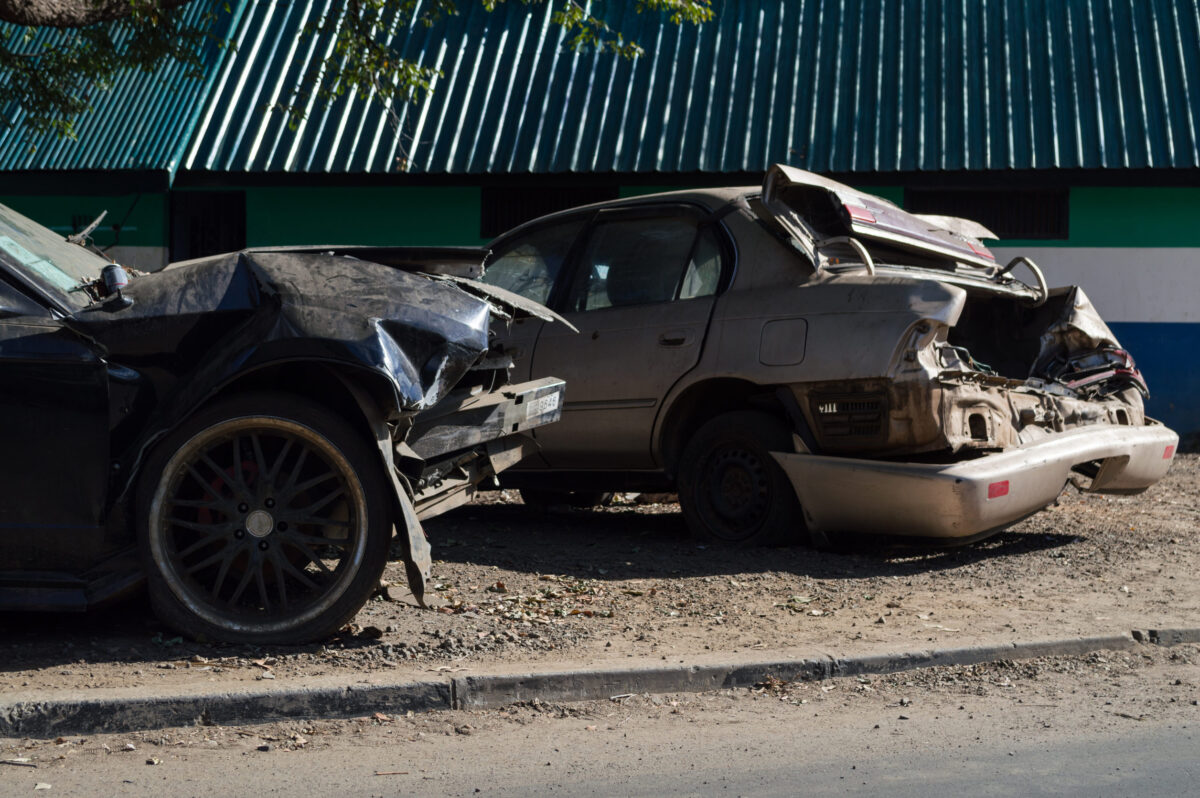
The crash was reported near the 10700 block of West U.S. 290, close to Fitzhugh Road, in southwest Travis County. ATCEMS said the collision involved two vehicles and was reported as a head-on crash.
Emergency crews arrived to find two adults involved. One person could not be saved and was pronounced dead at the scene. The other person was transported to the hospital with minor injuries.
Authorities had not immediately released the names of those involved. Officials also had not announced what may have caused the crash, whether speed, distraction, road conditions, impairment, or another factor played any role.
That silence matters. In the first hours after a deadly crash, investigators often need time to examine the scene, speak with witnesses, review vehicle damage, check road evidence, and determine how the vehicles ended up in a head-on collision. Until that work is done, the most honest answer is also the hardest one: the cause remains unknown.
A deadly moment in a fast-moving corridor
The area near U.S. 290 and Fitzhugh Road sits in a part of Travis County where rural edges, commuter traffic, and rapid growth often meet on the same pavement.
Drivers familiar with southwest Travis County know how quickly the feel of the road can change. One stretch can feel open and quiet. Another can carry fast-moving traffic, turning vehicles, work trucks, and evening congestion. That mix can make any serious crash feel even more unsettling for people who use the route every day.
A head-on collision carries a particular kind of fear. Unlike a fender bender in a parking lot or a sideswipe in slow traffic, a head-on crash often involves sudden force, little warning, and very little room for recovery. Even when one person survives with minor injuries, the emotional weight of the scene does not disappear.
For the family of the person who died, Wednesday evening became the kind of date that divides life into before and after. For the surviving driver, first responders, witnesses, and nearby motorists, the scene likely left its own mark.
Why locals are paying attention

Crashes on roads like U.S. 290 can ripple far beyond the people directly involved. They affect traffic, emergency response, neighborhood anxiety, and the daily choices residents make behind the wheel.
Parents think about teen drivers. Commuters think about the route they take home. Workers who drive after long shifts think about how quickly fatigue can change a trip. Residents who live near busy roadways think about how much traffic has increased as Travis County continues to grow.
That is why a short crash report can feel bigger than its word count. It is not just “one dead” and “one injured.” It is a reminder that local roads carry real human stakes every hour of the day.
The timing also stands out. The crash happened around 6 p.m., a period when many people are leaving work, running errands, heading home, or trying to make it across town before evening plans. Even without knowing the exact traffic conditions at that moment, the timing alone makes the incident feel like a daily occurrence for many Austin-area drivers.
What remains unknown
As of the initial report, several important questions remained unanswered.
Authorities had not released the identity of the person who died. They had not shared the identity of the injured adult. They had not said which vehicle crossed into the other’s path, whether both vehicles were moving, or whether any outside factor contributed to the collision.
There was also no immediate information about citations, possible charges, road closures, or whether additional agencies were assisting with the investigation.
That may be frustrating for readers who want clear answers quickly, but fatal crash investigations rarely move at the speed of public curiosity. Investigators have to build the story carefully. They look at tire marks, debris fields, vehicle positions, witness statements, and sometimes data from the vehicles themselves.
An early wrong assumption can harm families, mislead the public, and complicate an investigation. So for now, the responsible version of the story is simple: one person died, another was hurt, and officials are still working to determine why.
The burden on first responders
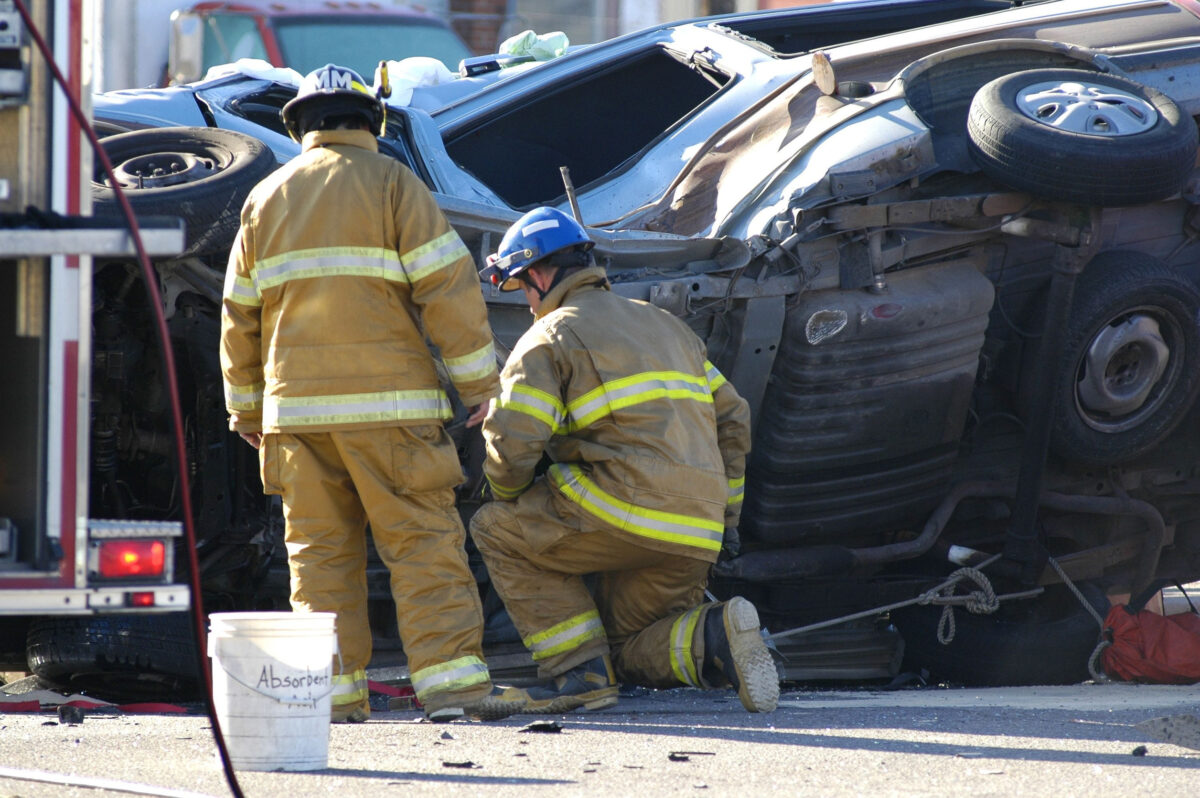
Fatal crashes are often described in plain official language, but the reality for emergency crews is anything but routine.
When ATCEMS, fire crews, law enforcement officers, and other responders arrive at a head-on collision, they are stepping into a scene where every second matters. They must assess injuries, secure the area, protect other drivers, manage traffic hazards, communicate with hospitals, and preserve the scene for investigators.
They also carry the emotional burden of telling the difference between a life that can still be saved and one that has already been lost.
For the public, the crash may appear as a traffic alert, a headline, or a brief update on a phone screen. For first responders, it is a scene they have to walk into, work through, and remember.
A reminder for drivers on U.S. 290

The investigation will determine what happened in this specific crash, but the broader reminder for drivers is immediate.
On roads with higher speeds and changing traffic patterns, small decisions can quickly become serious. Staying alert, avoiding distractions, giving other vehicles space, slowing down when visibility or traffic changes, and resisting risky passing or sudden maneuvers can make the difference between a close call and a tragedy.
No safety reminder can undo what happened Wednesday evening. It cannot bring back the person who died, and it cannot erase the fear felt by those who saw the aftermath. But it can make the next driver more aware of the road before taking it.
U.S. 290 will keep carrying traffic through southwest Travis County. People will still use it to get home, get to work, reach school, visit family, and move through a region that continues to grow. After this crash, though, the road carries one more painful reminder: the most ordinary drive can change in a moment, and every person on the road is someone another family expects to see again.