A Philadelphia Kosher Bagel Shop Served Jewish Families for Decades. Then Facebook Posts Changed Everything
For years, New York Bagel Bakery was the kind of neighborhood place people trusted without thinking twice. Families came in for bagels, smoked fish, tuna salad, cream cheese, and the comfort of knowing the food met kosher standards. In Philadelphia’s Overbrook Park area, near the Lower Merion Jewish community, the shop was more than a bakery. It was part of the weekly rhythm.
Then the mood shifted.
Customers discovered Facebook posts linked to former owner Nick Sammoudi, a Jordanian American of Palestinian background who had spent decades serving Jewish families. Some people viewed the posts as disturbing and deeply offensive, especially after the Oct. 7 attack on Israel and the war in Gaza. Sammoudi denied hating Jews or supporting terrorism, and he said some posts and translations did not reflect him accurately.
Still, the damage was immediate. A place once known for warm bagels and familiar faces became a flashpoint over trust, identity, kosher certification, and the painful question of whether a business can separate the food it serves from the politics people find online.
A Bagel Shop Built on Routine, Memory, and Trust
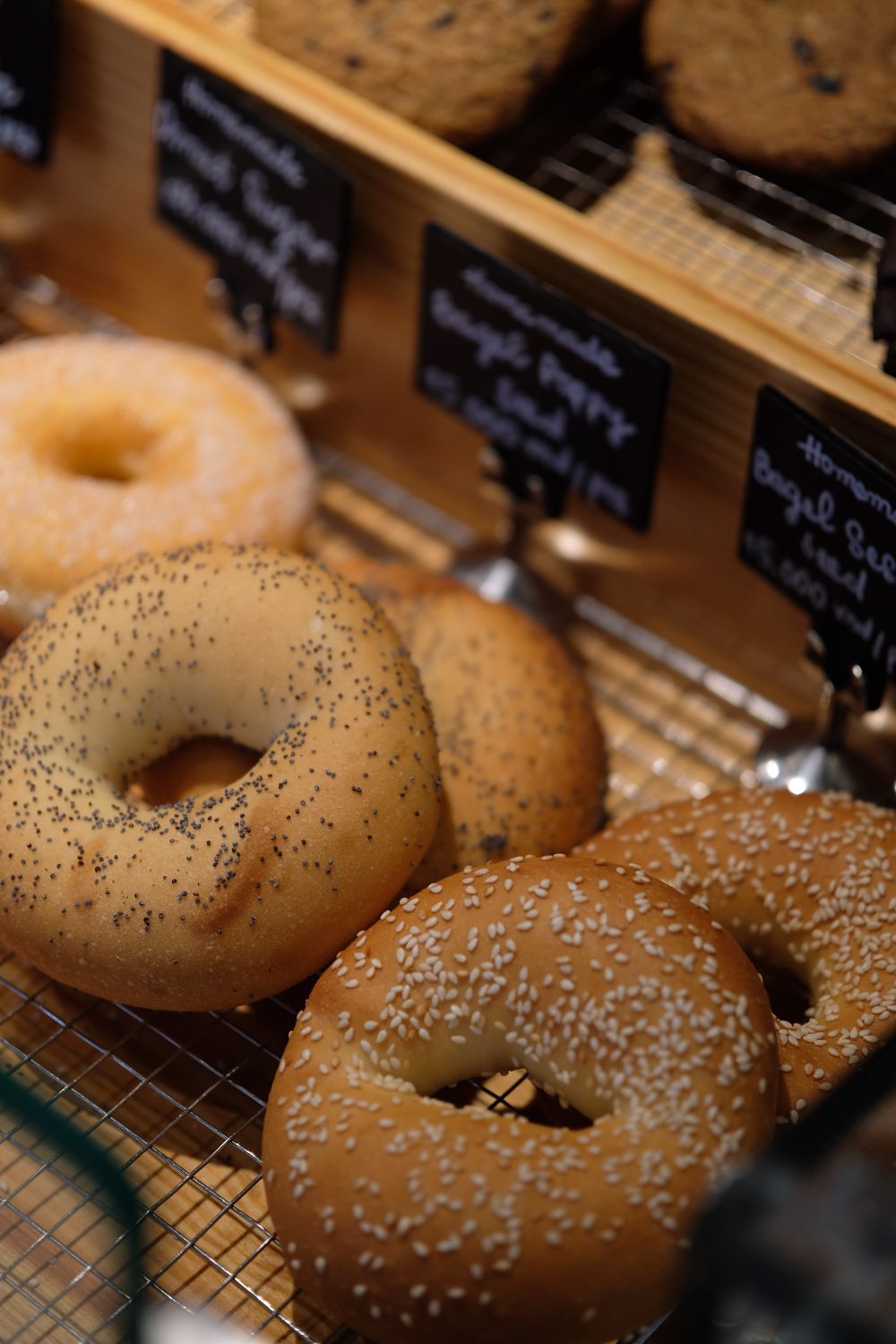
New York Bagel Bakery had a history before the controversy. The shop’s roots go back to 1964, when it became part of Philadelphia’s bagel scene near Haverford Avenue and City Avenue. Over time, it became a reliable stop for families who wanted kosher bagels without having to cross the city.
That kind of place earns loyalty slowly. People return because the food is good, but they stay because the business becomes woven into their lives. A bagel shop can become part of Sunday mornings, holiday planning, synagogue events, bris celebrations, shiva trays, and Yom Kippur break-fast tables.
That is why this story hit harder than an ordinary restaurant dispute. Customers were not reacting to a faceless brand. They were reacting to a person many had greeted, trusted, and welcomed into important family moments.
When the controversy broke, the feeling for some was not just anger. It was personal betrayal.
The Former Owner Who Became a Familiar Face
Nick Sammoudi’s story had once seemed like the kind of American neighborhood story people love to repeat. He was not raised on bagels, but he learned the trade, worked long hours, and eventually became strongly tied to one of the region’s best-known kosher bagel shops.
For years, he was part of the store’s identity. He was the man behind the counter, the person customers saw early in the morning, the business figure connected to platters, orders, and family traditions. His background as a Palestinian man serving a largely Jewish customer base made the story feel even more striking.
To some, it looked like proof that ordinary relationships could cross political, religious, and ethnic lines. A Palestinian American could run a kosher bagel shop. Jewish customers could trust him. Everyone could meet over food.
That hopeful version of the story is exactly what made the later fallout so painful.
The Facebook Discovery That Changed the Mood
The controversy began when customers found Arabic-language Facebook posts linked to Sammoudi under another name. The posts reportedly focused on Gaza, Israel, and the war. Some readers interpreted the content as hostile or alarming, while Sammoudi pushed back against the harshest readings.
In a calmer time, the dispute may have stayed local. But the posts surfaced after Oct. 7, when fear and grief were already raw in Jewish communities across America. At the same time, Palestinian families and supporters were watching Gaza suffer enormous devastation. Two communities were carrying pain, and that pain collided at a bagel counter.
The discovery spread through emails, Facebook groups, WhatsApp chats, and private community conversations. Screenshots became evidence. Translations became arguments. A bakery that once smelled like sesame, onion, and warm dough suddenly became the subject of petitions and moral judgment.
The internet did not just expose the story. It accelerated it.
Why This Became Bigger Than Bagels
At first glance, the story may seem simple: customers disliked the business’s social media posts and stopped supporting it. But the deeper issue was much more complicated.
New York Bagel Bakery was kosher. That meant observant Jewish customers trusted that the food followed strict religious rules. But for some customers, kosher status also carried a wider meaning. It was not only about ingredients, ovens, dairy, pareve food, or rabbinical supervision. It felt like a community stamp of trust.
That is where the conflict sharpened. If a business follows kosher law, should it keep its certification even if some customers feel morally betrayed by a former owner’s posts? Or should kosher certification reflect the emotional and ethical trust of the community it serves?
That question turned a bakery dispute into a public test of religious authority, community confidence, and personal speech.
Keystone-K Became the Real Battlefield
The biggest pressure did not fall only on the bakery. It also fell on Keystone-K, the kosher certification agency supervising the shop.
Some locals wanted Keystone-K to revoke or refuse to renew the bakery’s kosher certification. To them, the posts had broken the trust required for a kosher business serving Jewish customers. They believed the issue was not merely political. They saw it as a matter of safety, loyalty, and communal dignity.
Keystone-K did not revoke the certification. The agency maintained that the shop remained under kosher supervision. That decision angered critics who believed the rabbis were ignoring the community’s emotional reality.
But Keystone-K’s position also raised an important boundary. Kosher certification is not supposed to be a social media approval system. It is built around Jewish dietary law, kitchen procedures, ingredients, inspection, and supervision. If a shop follows those rules, removing certification in response to political anger could set a dangerous precedent.
That is why the story became so tense. One side saw certification as food law. The other saw it as a matter of community trust. Both sides believed something sacred was at stake.
The New Owner Inherited the Ovens and the Outrage
One of the most important details is that Sammoudi had sold the business before the controversy fully erupted. The new owner, Rayyan Kayyali, inherited a shop with recipes, equipment, history, and loyal customers. He also inherited a storm he did not create.
That makes the story more complex. A young owner trying to preserve a decades-old bakery suddenly had to answer for a former owner’s online history. The bagels may have been the same, the kosher supervision may have continued, and the menu may have stayed familiar. But the meaning of buying from the shop changed for some customers.
This is the part that gives the story a sharper small-business angle. Large companies can hire crisis teams. A neighborhood bakery has staff, bills, suppliers, ovens, and customers deciding whether to return.
Kayyali was not just selling breakfast. He was trying to keep a local institution alive while standing in the middle of a community argument about trust.
The Screenshot Economy Put a Local Shop on Trial
There was a time when neighborhood conflict moved slowly. People talked after services, in parking lots, at dinner tables, or across counters. Now, a controversy can grow from screenshots before the person at the center has even finished explaining himself.
That is what made the New York Bagel Bakery episode feel so modern. A Facebook profile became a dossier. A dossier became a community debate. A community debate became a media story. Soon, people far beyond the original customer base were reading, reacting, judging, and choosing sides.
This is the screenshot economy. It rewards speed, suspicion, and emotional certainty. It can expose real concerns, but it can also flatten complicated human relationships into a few captured posts.
For a business built on decades of face-to-face trust, that shift is brutal. The old relationship says, “I know this person.” The internet says, “Look again.”
Why the Timing Made Everything Worse

The timing of the controversy mattered. It came during a period when many Jewish Americans were feeling exposed, anxious, and angry after Oct. 7. It also came as the war in Gaza was creating anguish across Palestinian and Arab communities.
That emotional setting made every interpretation heavier. A post was not read like a random political opinion. It was read through grief, fear, memory, and the question of who could be trusted.
For some Jewish customers, the pain was sharpened by the fact that Sammoudi had been welcomed into intimate community spaces through food. He had served events tied to mourning, celebration, and religious life. That made the posts feel less like distant commentary and more like a rupture inside the neighborhood.
For others, the backlash seemed to go too far. They saw a man who had worked with Jewish customers for decades, denied the worst claims, apologized, and sold the shop. They questioned whether anger had turned into a campaign of punishment that could damage a new owner and a local business.
That tension is what makes the story so difficult. It is not built around one clean villain and one clean victim. It is built around pain colliding with pain.
The Bakery Also Faced a Physical Crisis
As if the public backlash was not enough, New York Bagel Bakery later faced another blow: explosion-related damage that disrupted operations in 2026. Local reporting described a gas explosion that forced the shop to close, followed by more uncertainty around reopening.
That detail gives the story a dramatic second act. The bakery was already fighting to survive a reputational firestorm. Then it had to survive literal damage to the business.
For longtime customers, the closure interrupted more than a shopping habit. It disrupted a local routine that had lasted for generations. For the new owner, it added another burden to an already fragile comeback effort.
The symbolism is hard to miss. A bakery already shaken by mistrust then became physically damaged. The shop’s future turned into a question not only of reputation, but of repair.
The Best New Angle: Where Does Kosher Trust Begin and End?
The strongest version of this story is not simply, “Customers found posts and got angry.” That is too thin. The stronger angle is this:
A kosher bagel shop forced Philadelphia to ask whether religious certification is only about food rules or also represents the community’s moral trust.
That question gives the article lasting power. It makes the story about more than one bakery, one former owner, or one Facebook page. It invites readers into a bigger debate about how communities decide who belongs, who can be forgiven, and who gets pushed out.
It also speaks to a larger American problem. People increasingly judge businesses not only by what they sell, but by what owners, employees, and former leaders say online. A shop can serve good food, follow the rules, and still lose public trust if customers feel betrayed.
The New York Bagel Bakery controversy sits exactly in that uncomfortable space.