9 Reasons The Phil Mickelson Club Allegation Is Bigger Than One Private Golf Course
Phil Mickelson built his career on risk, charm, impossible recovery shots, and the kind of Sunday drama that made golf feel less polished and more human. Now, the six-time major champion is facing a very different kind of spotlight after reports said he was removed from The Farms Golf Club in Rancho Santa Fe, California, following an allegation involving inappropriate physical contact with a female employee.
According to reports, the employee accused Mickelson of nonconsensual and inappropriate physical contact earlier this year. The club said it supported the staff member, reviewed the matter, conducted an independent investigation, and took action consistent with its standards.
Mickelson’s side has disputed the public narrative. His attorney has said the allegation is contradicted by objective video evidence and warned against misinformation, speculation, and false rumors. That leaves the story in a tense place, with the club standing by its response and Mickelson’s team pushing back hard.
For golf fans, this is not just another celebrity headline. It touches private clubs, workplace conduct, power, fame, legacy, LIV Golf, the U.S. Open, and the changing rules around who gets protected when a famous name is involved.
Here are some reasons why the Phil Mickelson Club allegation is bigger than one private golf course
The private club setting makes this story more uncomfortable.

A private golf club is not a stadium, courthouse, or league office. It is a controlled world, often built around status, access, money, and quiet relationships. That is why an allegation inside that kind of setting feels different from a public controversy at a tournament.
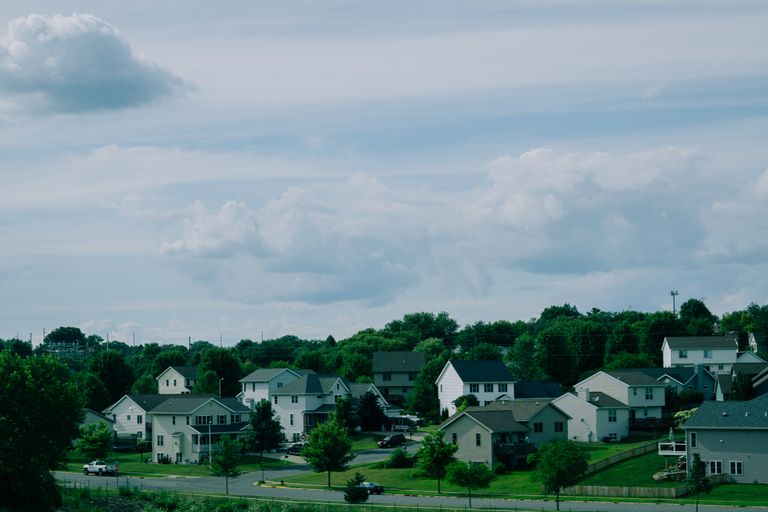
The Farms Golf Club sits in Rancho Santa Fe, one of Southern California’s most exclusive golf communities. In places like that, members are not just customers. They are often treated as part of the club’s identity, culture, and social power structure.
That is what makes the reported removal so striking. The club’s action suggests that a staff member’s complaint was treated as more than an internal inconvenience, even when the accused member was one of the most recognizable golfers in the world.
The employee’s position changes the entire power dynamic.
The most important person in this story is not the famous golfer. It is the unnamed female employee who reportedly made the complaint after the alleged incident.
Golf clubs depend on workers who manage dining rooms, locker rooms, carts, events, grounds, reservations, hospitality, and member services. Those employees often work around wealthy, influential people who may have more social protection than they do.
That is why the allegation carries broader workplace significance. When an employee reports alleged misconduct by a high-profile member, the club must decide whether its code of conduct is real or decorative.
The Farms said it provided support to the staff member and acted after a review. That language matters because it frames the case as an employee safety issue rather than a public relations problem.
Mickelson’s denial keeps the story legally delicate.

This story cannot be written as if every detail is settled. Mickelson’s legal team has disputed the allegation and challenged the way the story has circulated publicly. His attorney, Tom Clare, has said there is misinformation around the incident and that Mickelson is prepared to respond to speculation or false rumors. That puts the matter in a sharp legal and reputational fight.
The careful wording matters. Mickelson has been accused. The club said it investigated and acted. His side disputes the public account. No public criminal conviction or court finding has established the allegation as proven. That tension is what makes the story difficult and compelling at once. The public has a serious complaint, a serious institutional response, and a serious denial sitting side by side.
The timing lands during a strange pause in Mickelson’s career.
Mickelson’s golf career was already in an unusual place before this report surfaced. He had stepped away from competition, citing a private family health matter, and missed major events that once defined his calendar.
For decades, Mickelson was almost impossible to imagine outside the major championship conversation. The Masters, PGA Championship, U.S. Open, and Open Championship were the stages where his mythology grew. Now the conversation is different. His absence from the 2026 U.S. Open field at Shinnecock Hills comes as his five-year exemption from winning the 2021 PGA Championship has expired, leaving him outside a tournament that has always carried emotional weight in his career.
That absence adds another layer to the allegation. Instead of asking whether Mickelson can still chase one last U.S. Open dream, fans are asking what this report means for his public standing.
The U.S. Open angle makes the moment more symbolic.
Mickelson and the U.S. Open have one of the strangest relationships in modern golf. He has won six majors, but never the U.S. Open, despite finishing runner-up six times. For years, the tournament represented the one missing piece in an otherwise historic résumé. Every return to the U.S. Open carried the same question: could this finally be the week?
In 2026, that question is not part of the field. Shinnecock Hills will host the championship without Mickelson in the automatic entry list, and that absence makes the timing of the club allegation even more jarring. A golfer once defined by dramatic near-misses at the U.S. Open is now absent from that stage while facing a damaging off-course controversy. That is a major shift in how his name is appearing in the sports conversation.
The LIV Golf shadow still follows him.
Mickelson’s public image had already changed before this allegation. His move to LIV Golf made him one of the central figures in the sport’s most divisive era. To some fans, he became a bold disruptor who helped force golf’s old power structure to change. To others, he became a symbol of money, controversy, and fractured loyalty.
That matters because the new allegation does not land in isolation. It lands atop years of public debate about Mickelson’s choices, comments, partnerships, and priorities.
When a public figure is already polarizing, a new controversy spreads faster because people already have strong opinions. Supporters may see an unfair pile-on. Critics may see one more reason to question the mythology around him.
The club’s code of conduct is now part of the story.
Private clubs often talk about standards, respect, integrity, and tradition. Those words sound polished until a difficult case tests whether they mean anything.
The Farms Golf Club’s statement emphasized a safe and respectful environment, support for the employee, a review process, and decisive action. That makes the club’s code of conduct central to the story.The question is no longer only what allegedly happened. It is also how private clubs respond when staff members accuse powerful members of misconduct.
That is a fresh angle because golf’s private-club culture is rarely examined through the eyes of employees. This case pushes that hidden workplace into view.
Reputation may matter more than membership.
Losing membership at one club may sound small compared with a career filled with major titles, endorsement deals, team golf, and global fame. But in elite golf circles, reputation moves quietly and powerfully.
Club memberships are social currency. Invitations, access to practice, personal relationships, and private networks all matter in a sport where business and leisure often blur. That is why this story can follow Mickelson even if no new public details emerge. The report may change how some people talk about him, invite him, defend him, or distance themselves from him.
Reputational damage does not always result from a formal ban. Sometimes it arrives through whispers, unanswered questions, and the slow shift from legend to liability.
The story shows how sports scandals have changed.

A decade ago, a private-club incident might have stayed inside the clubhouse. Today, one report can become a national sports story within hours. Athletes no longer control their public image through trophies alone. Their conduct in private spaces, their legal responses, their institutional relationships, and their treatment of workers can all become part of the record.
That is why this story is bigger than a single alleged incident at a California golf club. It reflects a new sports culture in which fame does not guarantee silence and private settings do not always remain private.
For Mickelson, the next chapter is uncertain. His legal team is disputing the public account; the club has already acted, and golf fans are left watching a once-beloved shotmaker face a controversy that cannot be solved with a wedge, a smile, or one more impossible Sunday charge.