Vice President JD Vance Reveals the Faith Journey That Changed His Family, Marriage, and View of America
Vice President JD Vance is stepping into one of the most personal conversations of his public life, opening up about faith, family, fatherhood, and the quiet search for meaning that eventually led him into the Catholic Church.
In a political world often dominated by sharp debates, loud headlines, and constant conflict, Vance’s latest reflection lands differently. It is not only about policy or power. It is about what happens when a man who once chased success begins asking deeper questions about purpose, character, and the kind of life he wants to build.
Vance recently spoke about his spiritual journey while discussing his new book, Communion: Finding My Way Back to Faith, which is set for release on June 16, 2026. The book explores what he describes as a long road back to belief after drifting from faith earlier in life.
A Public Figure Talks About a Private Search
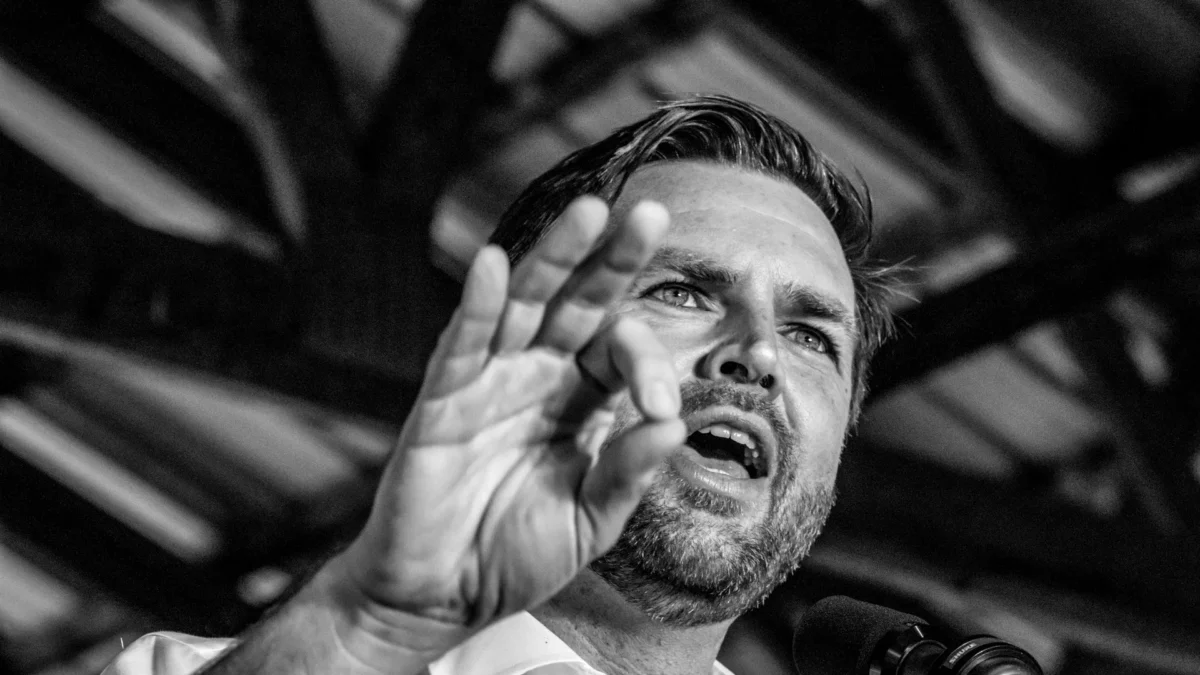
For Vance, the story did not begin with politics. It began with a restless feeling that achievement alone was not enough.
He described a period in his life when elite American culture seemed to push him toward status, money, schools, career titles, and public recognition. Those things may have looked impressive from the outside, but they did not answer the questions that were growing inside him.
The more he moved through adulthood, the more he felt that something important was missing. Success could open doors, but it could not tell him how to become a better husband, father, or man.
That is where his faith story becomes more human than political. Vance is not presenting his conversion as a sudden, dramatic moment. Instead, he frames it as a gradual return, shaped by responsibility, family, memory, and the pull of something older than himself.
Fatherhood Forced Bigger Questions
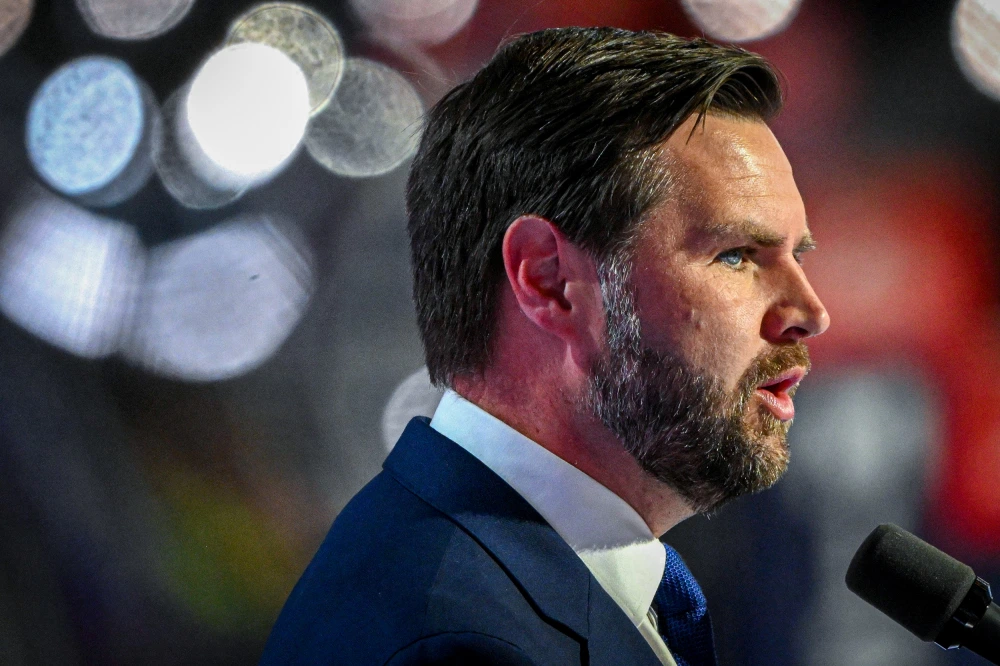
Vance said marriage and fatherhood changed the way he viewed life. Becoming a husband and then a father pushed him to think beyond personal ambition.
Suddenly, the questions were not just about where he worked or how much he earned. They were about what kind of example he would set inside his home. They were about raising children with moral strength in a culture that often feels unstable, distracted, and divided.
For many readers, that part of the story may be the most relatable. Parenthood has a way of making abstract ideas feel urgent. Values are no longer theories. They become bedtime conversations, family routines, Sunday mornings, and the lessons children absorb by watching their parents live.
Vance has credited his grandmother with planting an early seed of faith in his life. That seed did not disappear, even when he drifted. It waited. Later, when he was searching for a foundation strong enough to hold family life together, he returned to it.
Why Catholicism Felt Like Home
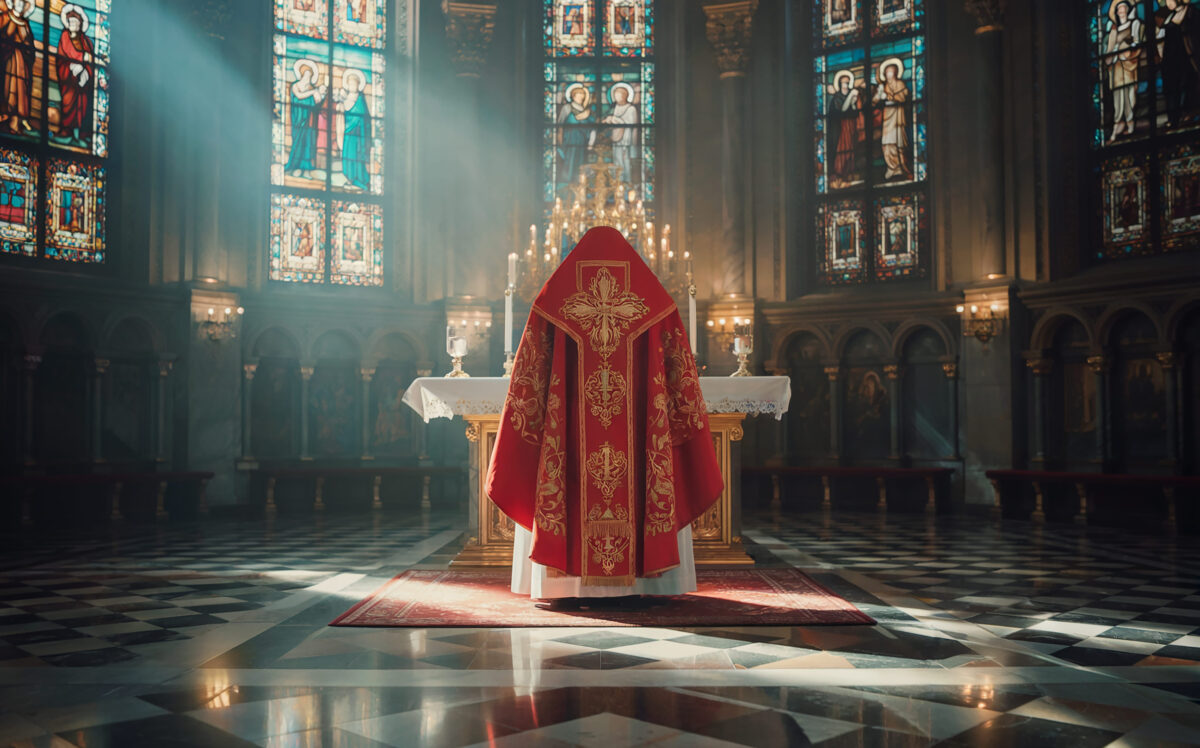
Vance said Catholicism appealed to him because it felt rooted, ancient, and steady. In a world moving at high speed, he found comfort in a church built on tradition, ritual, and continuity.
That detail matters because it explains more than a religious preference. It reveals a broader hunger many Americans feel right now. People are living through technological disruption, political anger, cultural confusion, and family pressure. In that environment, tradition can feel less like a relic and more like a shelter.
Vance said walking into a Catholic church gave him a sense of being home. That phrase is simple, but it carries weight. For him, faith was not just an intellectual decision. It became a place of belonging.
His story also reflects a larger national conversation about religion and identity in public life. Some Americans are moving away from organized religion, while others are rediscovering it as a source of discipline, meaning, and community. Vance’s experience sits directly inside that tension.
Usha Vance’s Role Made the Story More Personal
One of the most interesting parts of Vance’s account is the role of Second Lady Usha Vance. Though she was not raised a Christian, he said she encouraged him as he explored faith more deeply.
That detail gives the story a family dimension that goes beyond one man’s conversion. Their household includes different religious backgrounds, shared respect, and children being raised with exposure to faith.
Vance described his family dynamic as unique, with a Catholic father, a wife from a different faith background, and children who walk their own paths. Rather than present that as a problem, he described it as part of the journey.
In a country where interfaith marriages and mixed-religion households are common, that part of the story may resonate with families who understand the balance between conviction and respect. It shows faith not only as a doctrine but also as a way of life in a home where people love one another while carrying different traditions.
A Faith Story With Political Echoes
Because Vance is vice president, his faith journey will not be heard only as a private testimony. It will also be read through a political lens.
Supporters may see it as evidence of moral seriousness and personal grounding. Critics may question how his beliefs shape his public decisions. That is unavoidable for anyone holding a national office.
Still, the most revealing part of this story is not the political debate around it. It is the way Vance links faith to responsibility. He does not describe belief as an escape from the world. He describes it as a way to live more seriously within it.
For readers tired of shallow political theater, that is what makes the story stand out. It gives the public a look at the private questions behind a national figure: What forms a person? What keeps a family steady? What does success mean if it does not produce wisdom, humility, or love?
Vance’s answer, at least in this chapter of his life, is faith. Not as a slogan. Not as campaign language. But as a foundation, he says, it helped him understand who he was becoming, what kind of father he wanted to be, and why the traditions he once overlooked now feel like home.