A Major Pizza Chain Is Closing Hundreds of Locations Across the U.S. as It Restructures
Papa John’s is undergoing a significant restructuring across its U.S. operations, closing hundreds of restaurant locations in a sweeping move that signals a clear shift in strategy. Rather than expanding aggressively or maintaining a wide but uneven footprint, the company is tightening its focus on profitability, efficiency, and stronger-performing markets.
The closures are spread across multiple states and are expected to impact underperforming stores that no longer meet financial expectations. While the decision may feel sudden from the outside, it reflects a longer-term adjustment to rising operating costs, changing consumer behavior, and an increasingly competitive delivery-driven food economy.
At its core, this is not a retreat from the market. It is a recalibration of how Papa John’s operates within it.
Hundreds of Papa John’s locations are set to close across the United States.
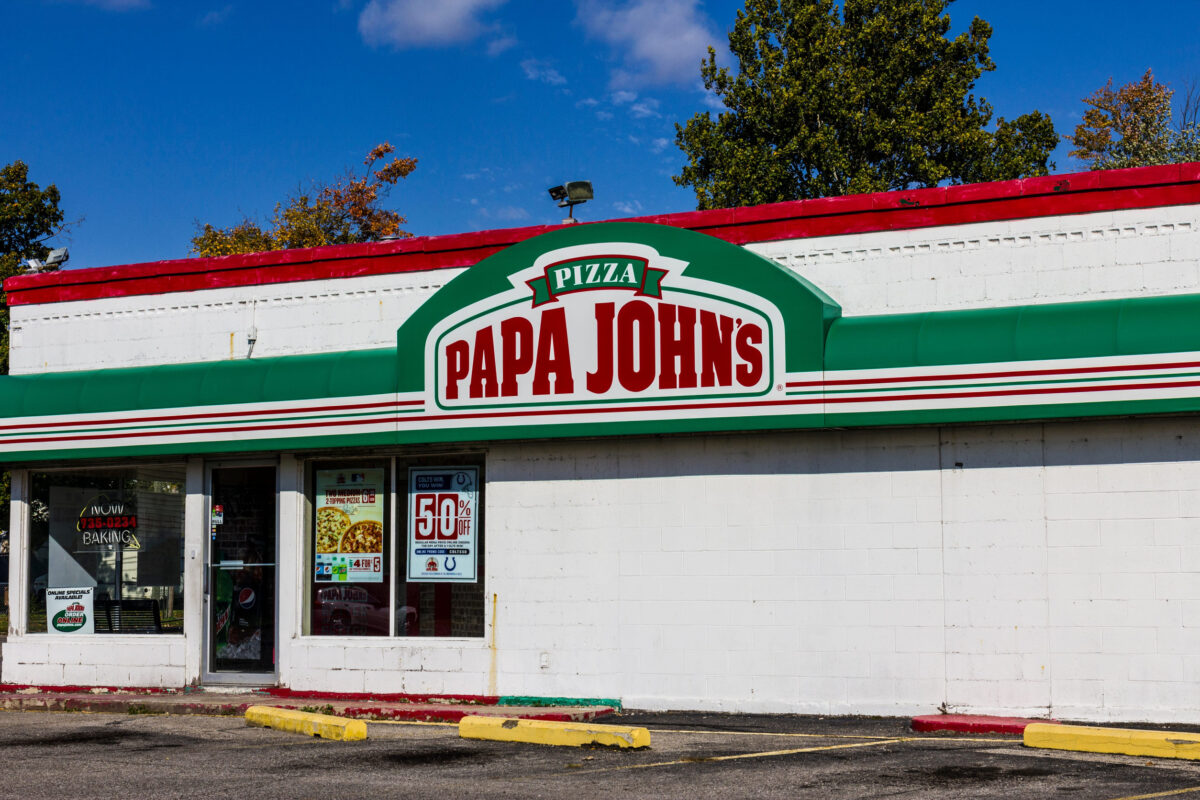
The restructuring involves the closure of hundreds of Papa John’s restaurants across approximately 17 states. The affected stores are primarily those with lower sales volumes, higher overhead costs, or weaker delivery performance compared to surrounding locations.
These closures are not evenly distributed. Instead, they tend to concentrate in areas where store density is high, but demand has weakened, or in locations where operational costs have risen faster than revenue.
In practical terms, Papa John’s is shifting away from maintaining marginal stores and consolidating demand into fewer, stronger locations. This allows remaining restaurants to handle higher order volumes while improving overall efficiency across the network.
For a brand heavily reliant on delivery and digital ordering, this kind of consolidation is becoming increasingly central to long-term strategy.
Why Papa John’s is closing so many stores now
The timing of the closures reflects a combination of economic and industry-wide pressures that have been building for years. Food costs remain elevated, labor expenses continue to rise, and rent and utilities have become more expensive in many U.S. markets. For lower-performing restaurants, these pressures significantly reduce profit margins.
At the same time, the way customers order pizza has changed dramatically. Delivery apps, online ordering platforms, and aggressive discounting from competitors have reshaped expectations. Customers now expect faster delivery, constant deals, and seamless digital experiences.
Older Papa John’s locations that were designed for a more traditional dine-in or carryout model often struggle to compete in this environment. Even when sales remain steady, the cost of maintaining operations can outweigh the revenue generated.
Closing these stores allows the company to remove financial drag and focus on locations that are better aligned with modern demand patterns.
What this means for employees and local communities
For employees, the impact of these closures will depend heavily on location. In some cases, workers may be offered positions at nearby Papa John’s stores, particularly in urban or suburban areas where multiple locations operate within close range. In other situations, employees may face layoffs if alternative positions are not available within the local network.
For communities, the closures represent more than just the loss of a restaurant. In many neighborhoods, Papa John’s locations have become part of everyday routines, quick dinner solutions, late-night delivery options, and familiar pickup spots for families and students.
When these stores close, the immediate impact is felt in convenience. Residents may need to rely on other pizza chains, independent restaurants, or longer delivery distances. In areas where alternatives are limited, the closure can leave a noticeable gap in local food access.
Still, in higher-performing markets, the company expects remaining stores to absorb demand with minimal disruption.
A broader transformation across the pizza industry
Papa John’s is not alone in this kind of restructuring. Across the pizza and fast-food industry, major chains are increasingly moving away from rapid expansion and toward consolidation.
The traditional strategy of opening as many locations as possible is being replaced by a more selective model. Companies are now prioritizing store-level profitability, digital sales performance, and delivery efficiency rather than total store count.
This shift reflects a bigger change in how the industry operates. The rise of third-party delivery platforms, combined with higher operating costs, has made smaller, more efficient store networks more sustainable than large, uneven ones.
In this environment, closures are not necessarily a sign of weakness. In many cases, they are a strategy for long-term survival.
How customers will experience the changes

For most customers, the restructuring will not feel immediate on a national level, but it will be noticeable locally. Some neighborhoods will lose nearby Papa John’s locations, particularly in suburban or lower-traffic areas where demand has declined over time.
In contrast, stronger markets are expected to experience little to no disruption. In fact, remaining stores may become more efficient over time as they consolidate delivery zones and streamline operations.
However, there may be secondary effects. In areas where closures are concentrated, delivery times could increase slightly as remaining locations handle a larger geographic radius. Peak-hour demand, especially during weekends and major sporting events, may also place additional pressure on fewer stores.
What this restructuring reveals about Papa John’s long-term strategy
This move highlights a clear shift in Papa John’s business philosophy. Instead of focusing on expansion, the company is now prioritizing optimization. The goal is to build a leaner, more efficient network of stores that can generate stronger returns and adapt more effectively to digital ordering trends.
This includes investing in high-performing locations, improving delivery infrastructure, and concentrating resources where demand is most consistent. It also involves stepping away from stores that no longer fit the financial model, even if they have been part of the system for years.
The broader message is clear: success in today’s pizza industry is no longer about how many stores a brand operates, but how well those stores perform.
A smaller footprint built for a tougher market
The closure of hundreds of Papa John’s locations across the United States marks a significant moment in the company’s evolution. While the move reduces its physical presence in certain regions, it strengthens its operational focus and aligns the brand with current market realities.
Rather than signaling decline, the restructuring reflects adaptation. Papa John’s is reshaping itself for a business environment defined by higher costs, faster competition, and digital-first consumer behavior.
In the end, the company is not stepping back from the market. It is reshaping how it competes within it, choosing efficiency over expansion, and concentration over scale.