AAA Reports Gas Prices Surge to $4.45 as Drivers Face Fresh Fuel Shock
Gas prices across the United States have climbed sharply, with AAA reporting that the national average has risen to $4.45 per gallon. The increase arrives after weeks of volatility in global energy markets, adding fresh pressure to household budgets already stretched by inflation and higher living costs.
The jump is not just a minor fluctuation at the pump. It reflects deeper tensions in global oil supply, rising crude costs, and ongoing geopolitical instability that continues to ripple through fuel markets.
For millions of Americans, the change is immediate and unavoidable. Every commute, school run, delivery route, and weekend trip now carries a higher price tag.
National Gas Prices Move Higher in a Short Span
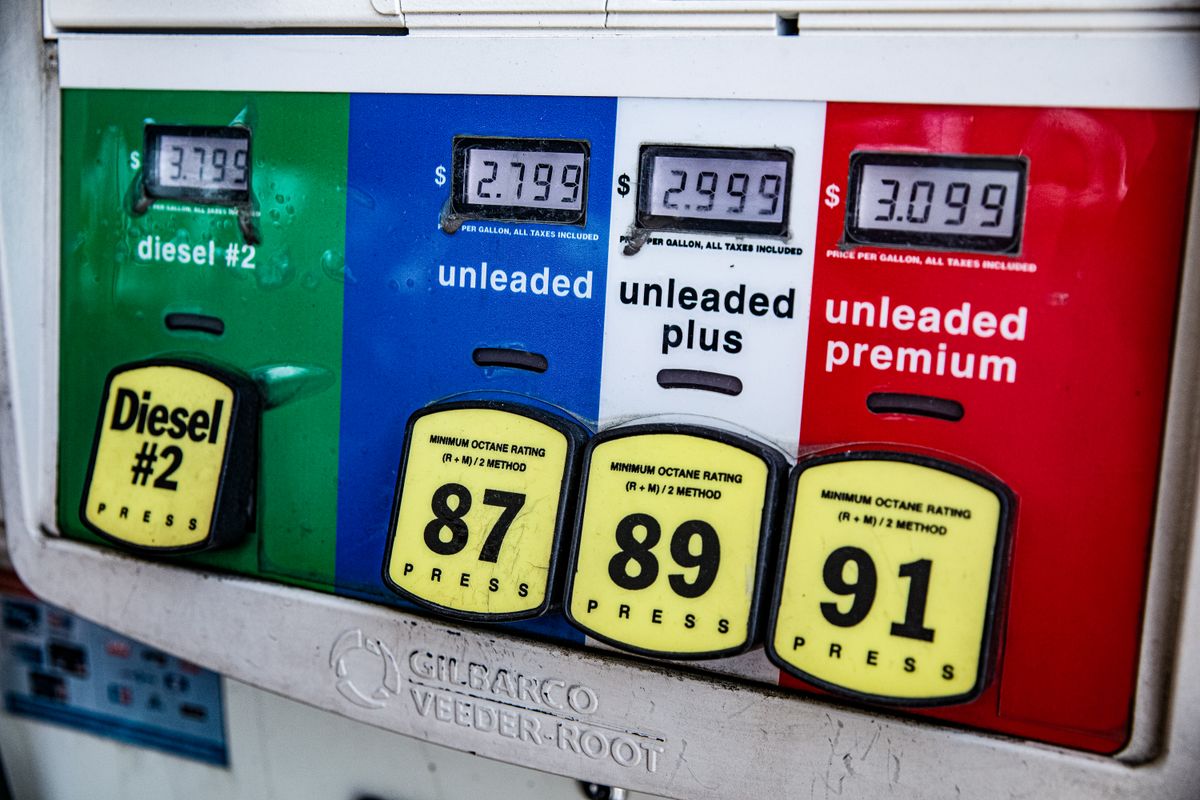
AAA data show the average price of regular gasoline surged to $4.45 per gallon, up noticeably from the previous week. That kind of movement in such a short time frame signals a highly sensitive fuel market reacting quickly to global developments.
Drivers filling up standard vehicles are now paying significantly more per tank compared to just days earlier. For larger SUVs and trucks, the difference becomes even more pronounced, with full fills often exceeding $70 in many regions.
The sudden rise has drawn attention because it defies expectations of gradual seasonal change. Instead, prices have moved in sharp increments, reflecting instability in crude oil markets and supply concerns.
What Is Driving the Spike at the Pump
The main driver behind the surge is rising crude oil prices influenced by global conflict and supply uncertainty. Oil remains the core ingredient in gasoline production, meaning any disruption in supply chains quickly filters down to retail prices.
Markets have reacted strongly to geopolitical tensions involving Iran and broader instability in key shipping routes. When investors expect disruptions to oil transport or production, crude prices often rise even before physical shortages occur.
Refineries also play a key role in pricing. When crude costs increase, wholesale fuel prices follow, and stations adjust their pump prices to reflect replacement costs rather than existing inventory.
This creates a ripple effect that moves from global markets to local gas stations within days.
Global Conflict Sends Shockwaves Through Energy Markets
Energy analysts point to the ongoing conflict involving Iran as a key factor behind recent price movements. The region plays a critical role in global oil transportation, and any risk to shipping routes raises concerns about supply stability.
Even the possibility of disruptions in major transit corridors can push oil prices higher. Traders factor in risk premiums, which are then reflected in the cost of crude oil worldwide.
That global pricing pressure eventually reaches U.S. consumers, who see it reflected in rising gasoline costs. The connection between international events and local fuel prices has rarely felt more direct for everyday drivers.
California Sees Even Steeper Fuel Costs
While the national average has climbed to $4.45 per gallon, some states are experiencing significantly higher prices. In California, drivers are paying around $6.10 per gallon for regular gasoline, according to the same reporting period.
The state consistently ranks among the most expensive in the country due to a combination of taxes, environmental fuel standards, refinery limitations, and supply constraints.
For commuters in major metro areas, the cost difference is substantial. A routine fill-up in California can cost nearly double what drivers pay in lower-priced states, adding significant strain to household budgets.
Why Gas Prices Hit Consumers So Quickly
Gasoline is one of the most visible and frequently purchased commodities in the economy, which makes price changes feel immediate and personal. Unlike other expenses that change gradually, fuel costs are paid for in real time at the pump.
A sudden increase of even a few cents per gallon can translate into several extra dollars per tank. Over the course of a month, that adds up quickly for commuters and families who rely heavily on driving.
Because fuel is also tied to transportation costs across the economy, higher prices can influence everything from food delivery to retail pricing. When gas goes up, the effects rarely stay isolated.
Summer Travel Plans Under Pressure

The timing of the price increase adds another layer of frustration for consumers. With summer travel season underway, many households are planning road trips, vacations, and weekend getaways.
Higher fuel costs can force families to adjust their plans, shorten trips, or increase travel budgets. Vehicles with lower fuel efficiency feel the impact most sharply, especially on long-distance drives.
Even small increases in per-gallon pricing can significantly change the total cost of a road trip when multiplied across hundreds or thousands of miles.
The Ripple Effect Across the Economy
Rising gasoline prices affect more than just drivers. They also influence broader economic activity because transportation costs are embedded in nearly every supply chain.
When fuel becomes more expensive, businesses face higher operating costs. Delivery services, trucking companies, agricultural transport, and retail logistics all feel the pressure.
These costs can eventually be passed on to consumers through higher prices for goods and services, creating secondary inflation effects that extend beyond the gas station.
What Drivers Are Experiencing Right Now

For many households, the most immediate impact is budgeting uncertainty. A weekly fuel expense that was manageable just a month ago may now require adjustments in other spending categories.
Some drivers are responding by reducing non-essential trips, combining errands, or seeking out lower-priced stations. Others are turning to fuel-saving habits such as slower driving speeds and reduced idling.
While these changes help at the margins, they do not fully offset the impact of rising national averages.
Why Prices May Stay Volatile
Fuel markets remain highly sensitive to global developments. Crude oil prices can shift rapidly in response to geopolitical events, production decisions by major oil-producing countries, and changes in global demand.
Refinery capacity, seasonal demand spikes, and transportation costs also contribute to ongoing volatility. Even small disruptions can cause noticeable price changes at the pump.
As a result, analysts often caution that periods of instability can lead to continued fluctuations rather than quick stabilization.
What This Means for Households
For American families, the rise to $4.45 per gallon represents more than just an energy statistic. It reflects the broader challenge of managing household budgets in an unpredictable economic environment.
Transportation remains a non-negotiable expense for most people, meaning fuel price increases are difficult to avoid. This makes gasoline one of the most sensitive indicators of financial pressure in everyday life.
When prices rise quickly, the impact is felt across commuting costs, travel decisions, and monthly spending patterns.
Looking Ahead
Future gas prices will depend heavily on how global oil supply conditions evolve in the coming weeks. Stability in energy markets could help ease pressure, while continued geopolitical uncertainty may keep prices elevated.
For now, drivers are navigating a market defined by rapid shifts and limited predictability. Each change at the pump reflects a complex chain of global events that ultimately lands in local neighborhoods across the country.
The $4.45 national average serves as a clear reminder that energy markets remain one of the most influential forces shaping everyday American life.