8 Reasons Some People Never Fully Recover From Losing Someone They Love
Grief is not just sadness that lasts longer than expected. It can shake the body, confuse the mind, disturb sleep, weaken appetite, and make ordinary days feel unreal. For some people, time softens the pain slowly. The loss remains, but life begins to make space around it.
For others, grief stays sharp and heavy. It does not fade neatly after the funeral, the sympathy messages, or the first painful year. The person may still feel emotionally stuck, as if part of them is waiting for the loved one to come back. This does not mean they are weak. It means the loss reached somewhere deep.
The Bond Shaped Their Identity

Some relationships become part of who a person is. A spouse, parent, child, sibling, or lifelong friend may shape daily routines, emotional safety, future plans, and personal confidence. Losing that person can feel like losing a piece of yourself.
This kind of grief is not only about missing someone. It is about not knowing who you are without them. The person left behind may struggle with small choices, familiar places, and quiet routines because everything reminds them of the life they had before the loss.
The Death Was Sudden
A death after illness can still be devastating, but a sudden loss brings a different kind of shock. Accidents, violence, medical emergencies, suicide, or unexpected deaths can leave the mind searching for answers that may never come. There is no emotional preparation, no slow goodbye, and often no clear sense of closure.
That shock can keep grief frozen. Instead of remembering the loved one with warmth, the mind may return again and again to the final call, the hospital room, the news, or the moment everything changed. The person is not only grieving the loss. They are also trying to survive the trauma attached to it.
The Brain Keeps Searching

Love trains the brain to expect someone. Their voice, footsteps, messages, habits, and presence become part of daily life. After death, the mind may understand the truth, but the emotional system often takes much longer to accept it.
That is why grieving people may still reach for the phone, expect a text, hear a familiar sound, or imagine the person walking through the door. These moments can feel cruel because they briefly reopen hope. When the brain keeps searching for someone who cannot return, grief becomes painfully difficult to release.
Guilt Reopens the Pain
Guilt is one of grief’s sharpest weapons. People replay the last conversation, the missed visit, the argument, the delayed call, or the words they wish they had said. Even when they did nothing wrong, grief can invent blame because blame feels easier than helplessness.
This guilt keeps the wound open. The grieving person may keep putting themselves on trial, asking what they should have done differently. Without self-forgiveness, the pain becomes heavier. Love turns into punishment, and every memory becomes another chance to accuse themselves.
Support Fades Too Soon
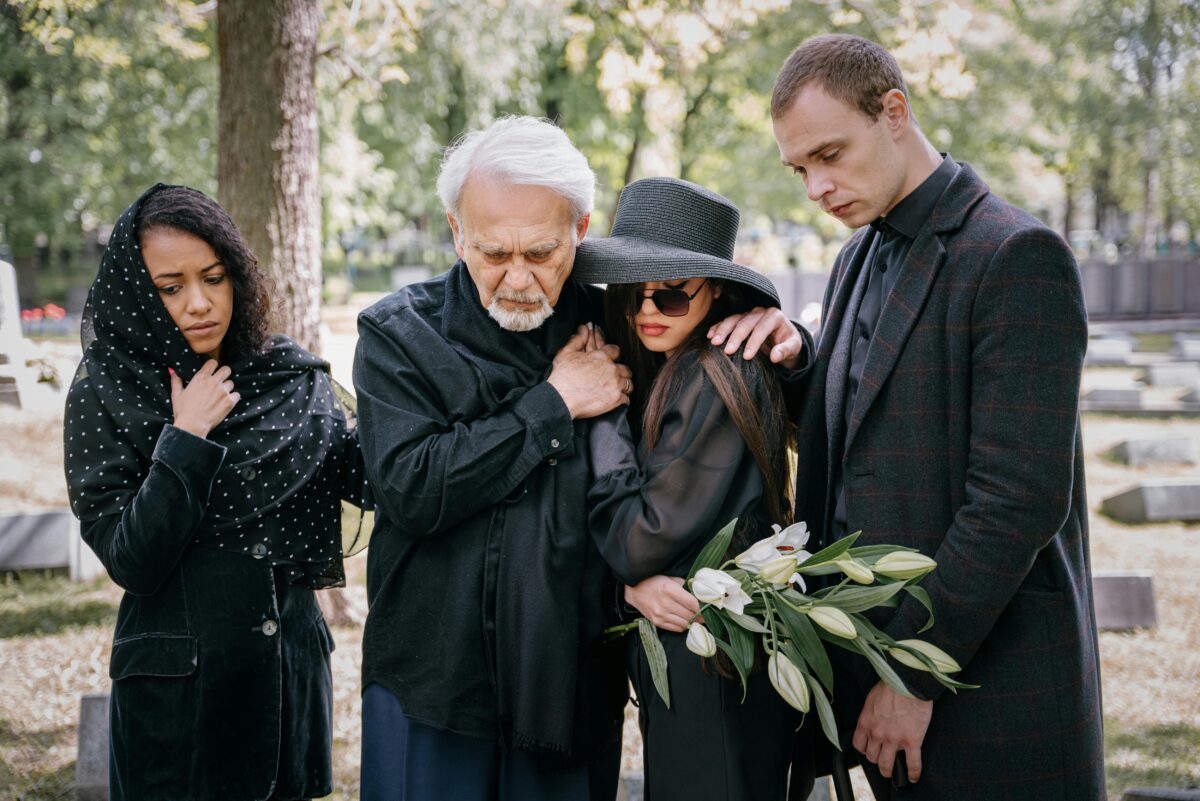
At first, people often show up. They bring food, send messages, attend the funeral, and promise to help. Then life moves forward for everyone else. Work resumes, families return to normal, and friends slowly stop checking in. Meanwhile, the grieving person may still feel trapped in the wreckage.
That silence can make grief feel lonelier. The person may fear they are becoming a burden or repeating themselves too much. They may stop talking about the loved one because others seem uncomfortable. When support fades too early, grief can become a private room with no windows.
The Body Carries the Loss

Grief does not stay politely in the heart. It can enter the body through exhaustion, headaches, chest tightness, stomach problems, poor sleep, weakened appetite, and constant stress. The body may feel heavy even when the person is doing nothing. Simple tasks can feel like climbing a hill.
When the body is drained, the mind has less strength to heal. Poor sleep makes emotions sharper. Stress makes memories more intense. Physical fatigue can turn grief into a daily battle. Sometimes people think they are failing emotionally when their body is also struggling to survive the loss.
They Avoid the Pain
Avoidance can feel necessary at first. A grieving person may stay busy, avoid photos, refuse to talk, change routines, or act like they are fine. This can help them get through the early shock, especially when the pain feels too large to face all at once.
But pain that is never processed often waits. It may return during anniversaries, songs, holidays, familiar places, or quiet nights. Healing does not mean forgetting. It means slowly learning how to carry the truth without being destroyed by it. Avoidance delays that process.
There Was No Clean Ending

Some losses come with unfinished words. Maybe there was conflict. Maybe forgiveness never happened. Maybe the person died before an apology, confession, reconciliation, or goodbye. That lack of closure can make grief feel like an open sentence.
The mind keeps trying to finish the conversation. It asks what could have been said, what might have changed, and whether peace was still possible. This emotional unfinished business can trap people in the past because part of them keeps reaching for an ending they never received.
Conclusion
Some people never fully recover from losing someone they love because the loss reaches beyond sadness. It touches identity, memory, routine, body, guilt, trauma, and the quiet places where love used to live. Grief like that does not follow a neat timeline.
Healing is not about forgetting the person or pretending the pain no longer exists. It is about learning to live with love that no longer has a physical place to go. With time, support, honesty, and gentleness, grief can become something a person carries instead of something that carries them.