8 Myths About Growing Taller That People Still Believe
Height carries a lot of emotional weight because people often connect it with confidence, beauty, attraction, sports, and social presence. That is why so many teenagers and young adults search for ways to grow taller, even when the internet keeps selling them false hope.
The truth is simple. Genetics plays the biggest role in height, while nutrition, sleep, movement, hormones, and overall health can help someone reach their natural growth potential during childhood and adolescence. Healthy habits matter, but they do not rewrite the body’s blueprint.
Most height myths survive because they promise control over something that is mostly biological. Once the growth plates close after puberty, bones do not continue to lengthen naturally. At that point, the smarter goal is better posture, stronger health, and real confidence.
Drinking Milk Makes You Much Taller

Milk has been linked with height for generations because it contains calcium, protein, and other nutrients that support bone health. Many people grew up hearing that a few glasses of milk every day would make them tall, strong, and physically impressive. It is easy to see why the myth spread. Milk does help growing bodies when it is part of a balanced diet, especially for children who need nutrients for normal development.
The problem is that milk cannot override genetics. Drinking extra milk will not stretch bones beyond their natural limit. A child who lacks proper nutrition may benefit from a better diet, including calcium and protein, but that is different from saying milk alone creates dramatic height gains. It supports growth. It does not command it. Once the body has what it needs, more milk does not automatically lead to greater height.
Stretching Adds Permanent Inches
Stretching routines are everywhere online, often packaged as secret height programs. They usually include yoga poses, toe touches, cobra stretches, hanging movements, and spine-lengthening exercises. Some people claim these routines can add inches in a matter of weeks, which sounds tempting to anyone unhappy with their height.
Stretching can improve posture, flexibility, and body alignment. If someone slouches badly, better posture can make them appear taller because they are finally standing at their full natural height. That is useful, but it is not the same as permanent bone growth. Stretching does not lengthen leg bones, reopen growth plates, or change adult skeletal structure. It can help you stand, move, and feel better, but it will not turn biology into a wish-granting machine.
Height Pills Work Like Magic

Height supplements are some of the most misleading products in the wellness market. They often promise to boost growth hormones, strengthen bones, trigger growth, or help adults gain extra inches. The packaging may look medical, the claims may sound scientific, and the testimonials may seem convincing, but most of these products sell hope more than results.
Supplements can help only when there is a real deficiency. For example, someone lacking vitamin D, calcium, zinc, or protein during growth years may need nutritional support. But if a person is already healthy and past puberty, pills cannot restart natural height growth. Once growth plates close, no ordinary supplement can make long bones grow longer. The better choice is to treat supplements as tools for health, not shortcuts to a taller body.
Adults Can Keep Growing Naturally
Many people want to believe that adult growth spurts are still possible. A person may hear stories about someone who grew taller at twenty-five, thirty, or even older after changing their diet or exercise routine. These stories spread quickly because they give people hope that height is still flexible long after adolescence.
For most adults, natural growth in height has ended. The long bones stop growing when the growth plates close. What can change is posture, spinal compression, muscle balance, and body alignment. A person may appear slightly taller after improving posture or reducing slouching, but that is not the same as new bone growth. Rare medical conditions can affect height or bone structure, but those cases are not normal growth and usually require medical evaluation.
Hanging From Bars Makes You Taller
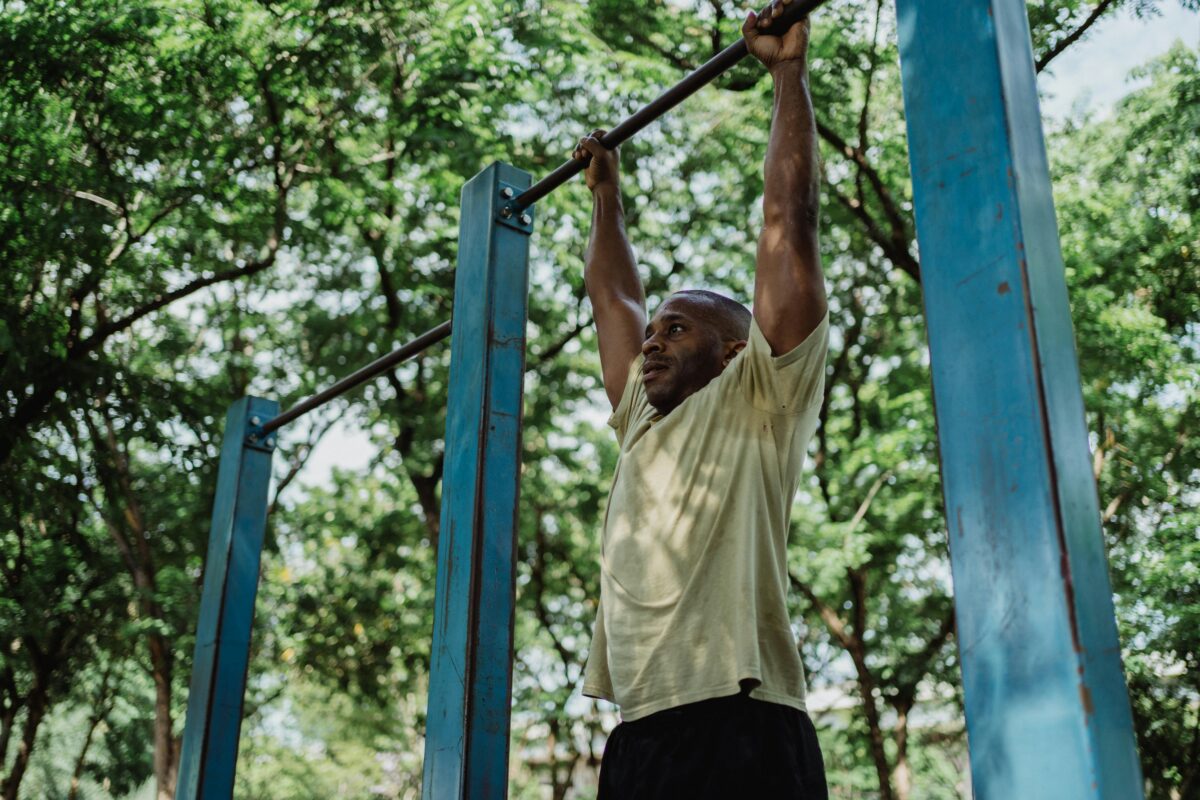
Hanging exercises are often promoted as a simple way to become taller. The idea is that gravity pulls the spine downward all day, so hanging from a bar supposedly stretches it back out and adds permanent inches. This sounds logical enough to attract attention, especially because people may feel a temporary stretch in their back after hanging.
The truth is that hanging may temporarily decompress the spine, but the effect does not last. Daily movement, sitting, walking, and gravity return the spine to its normal state. Hanging can still be useful for grip strength, shoulder mobility, posture awareness, and back comfort when done safely. It just should not be sold as a permanent height solution. Temporary lengthening of the spine is not the same as true skeletal growth.
Certain Foods Unlock Growth Hormones
Food myths are especially common because nutrition really does matter during growth years. People often search for special foods that supposedly increase height quickly, such as eggs, bananas, meat, fish, beans, spinach, nuts, or protein shakes. These foods can be healthy, but the myth begins when people treat them like magic growth switches.
A nutritious diet helps the body function well. Protein supports tissue repair and development. Calcium and vitamin D support bone health. Zinc, magnesium, and other nutrients play important roles in growth and immunity. Still, no single food can force the body to grow taller than its genetic range. Food supports the process. It does not control the final outcome alone. The best approach is a balanced diet over time, not an obsession with one miracle meal.
Coffee Stunts Your Growth

The idea that coffee stunts growth has frightened many teenagers for years. Parents, teachers, and older relatives often repeat it as a warning, especially when young people start drinking caffeine. The myth likely persisted because caffeine can affect sleep, which is important for healthy development.
Coffee itself does not directly prevent bone growth. The bigger concern is excessive caffeine, especially if it disrupts sleep, increases anxiety, or replaces nutritious foods and drinks. For growing teenagers, poor sleep and poor diet can affect overall health, but that is not the same as saying that one cup of coffee secretly blocks growth. The real message should be moderation, not fear. Caffeine habits matter, but coffee is not a magical height thief.
Tall Parents Always Mean Tall Children

Genetics matter a lot, so tall parents often have taller children. That part is true. But height inheritance is not perfectly predictable. A child does not receive a simple height order from two parents and follow it exactly. Family genetics is more complex than that, and traits from grandparents or wider ancestry can influence outcomes.
The environment also matters during childhood and adolescence. Nutrition, illness, sleep, hormone health, stress, and general development can affect whether someone reaches their natural potential. Tall parents increase the likelihood of height, but they do not guarantee it. Shorter parents can also have tall children, especially if broader family genetics suggest that. Height is shaped by a mixture of inherited potential and developmental conditions.
Conclusion
The obsession with growing taller has created a large market for myths, tricks, routines, supplements, and exaggerated promises. Many of these ideas sound convincing because they contain a small piece of truth. Milk supports bones. Stretching improves posture. Sleep helps growth. Food matters. Exercise is healthy. But those truths become misleading when people turn them into guarantees of dramatic height gain.
The healthiest approach is practical. During growth years, focus on balanced nutrition, enough sleep, regular exercise, medical care when needed, and good posture. After growth stops, focus on confidence, strength, grooming, fitness, and the way you carry yourself. Height may affect appearance, but presence is bigger than inches. A person who stands well, speaks clearly, dresses with confidence, and respects themselves often appears far more impressive than someone chasing false promises from the internet.