Texas Woman Files Lawsuit Against McDonald’s Over Sausage McMuffin Incident, Three Years After Purchase
A routine fast-food breakfast turned into a long-running legal battle after a Texas woman filed a lawsuit claiming a McDonald’s Sausage McMuffin with Egg caused her severe and lasting injuries. What began as a quick meal in Midtown Manhattan has now escalated into a civil case involving allegations of contamination, medical trauma, and corporate negligence.
The lawsuit, filed by Yvette Hinds, centers on a sandwich purchased on May 25, 2023, at a McDonald’s location on 1651 Broadway. Now, nearly three years later, she claims that a single meal triggered a chain of medical problems that left her permanently affected.
A Routine Breakfast That Allegedly Turned Dangerous
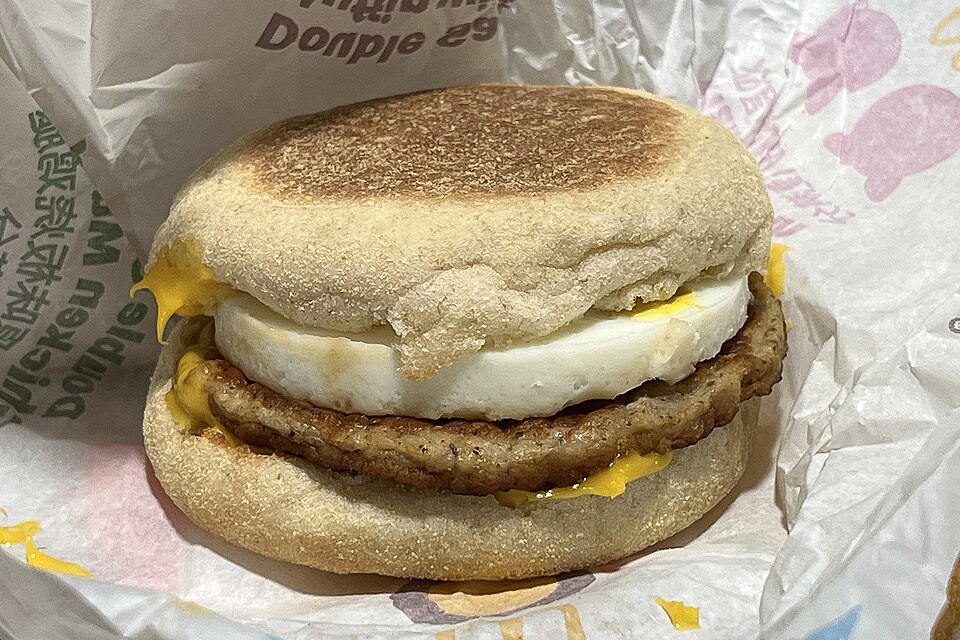
According to court filings, Hinds ordered a standard Sausage McMuffin with Egg, one of McDonald’s most recognizable breakfast items. What should have been a predictable, everyday meal allegedly became the source of severe physical distress.
The complaint states that the sandwich was “wholly unfit for human consumption” and allegedly contained harmful contaminants, including bacteria, toxins, parasites, or other microorganisms. These claims, while unproven in court, form the foundation of the lawsuit’s argument that the food was unsafe at the time of service.
Hinds alleges that shortly after consuming the sandwich, she experienced violent nausea, widespread pain, and severe illness. The filing describes a rapid decline in her condition, prompting her to seek medical attention.
Medical Claims and Long-Term Impact
The most serious aspect of the lawsuit lies in the medical consequences Hinds attributes to the incident. She claims she required extensive treatment, including multiple procedures and ongoing care.
In the complaint, Hinds alleges she suffered injuries affecting her physical, nervous, and mental systems. She further claims the impact was not temporary but “serious and permanent,” affecting her ability to function normally in daily life.
According to her statements, the aftermath of the illness left her unable to work and perform basic household responsibilities. She also reports significant financial strain due to medical expenses, with expectations of continued treatment in the future.
However, the lawsuit does not publicly provide detailed medical records or specify the exact nature of the procedures she underwent. That lack of detail may become a key point as the case moves forward, since food-related injury claims typically require strong medical and scientific evidence linking the illness directly to the product consumed.
Defendants Named in the Lawsuit
Hinds’ legal complaint names multiple defendants, broadening the scope of the case beyond a single restaurant. The defendants include McDonald’s Corporation, the specific Manhattan franchise location, the franchise operator, and a real estate holding company associated with the property.
The lawsuit accuses all parties of negligence, carelessness, and willful disregard for food safety standards. In essence, it argues that responsibility for the alleged contamination of the food extends across the corporate and operational chain from ownership and management to the point of sale.
As of now, none of the defendants has publicly admitted wrongdoing, and the allegations remain unproven in court. McDonald’s has not issued a detailed public response to the specific claims outlined in the filing.
The Three-Year Gap Before Filing Suit
One of the most notable elements of the case is the timing. The alleged incident occurred in May 2023, yet the lawsuit was filed approximately three years later.
The complaint does not explain the delay, leaving unanswered questions about why legal action was not pursued sooner. In civil cases involving alleged foodborne illness or injury, delays can complicate evidence collection, witness accounts, and medical verification.
Over time, it can become more difficult to test for contaminants or reconstruct exactly what occurred at the time of consumption. That factor may play a role as both sides prepare their arguments.
Fast Food Safety Under the Spotlight Again
The case arrives at a moment when food safety and fast-food accountability continue to draw public attention. Large chains like McDonald’s serve millions of customers daily, relying on standardized procedures, franchise oversight, and supply chain controls to maintain consistency.
When lawsuits like this emerge, they often raise broader questions in the public mind even before courts determine the facts. How tightly are food preparation standards enforced across franchises? How quickly are potential safety issues identified and addressed? And how do companies respond when isolated incidents escalate into legal claims?
For consumers, the story underscores a simple but powerful expectation: that fast food, regardless of location or volume, should remain safe to eat.
Allegations, Evidence, and What Happens Next
At this stage, the case remains an allegation rather than a finding of liability. The court will ultimately determine whether the claims hold up under legal scrutiny, including whether the food was contaminated and whether it directly caused the injuries described.
Evidence such as medical documentation, expert testimony, restaurant records, and potential food safety inspections may all become central to the proceedings.
For McDonald’s and the other defendants, the case will likely focus on disputing causation, whether the illness can be scientifically linked to the specific sandwich in question.
A Simple Meal With a Complex Legal Aftermath
What makes the case striking is the contrast between its origin and its outcome. A breakfast sandwich, ordered in minutes and eaten in passing, now sits at the center of a multi-year legal dispute involving serious health allegations.
Whether the claims are ultimately proven or dismissed, the lawsuit highlights how quickly everyday routines can become the subject of complex legal and medical scrutiny.
For now, the court will decide what fact is, what is an allegation, and what responsibility, if any, lies with the fast-food giant behind one of America’s most familiar breakfast items.