9 Ways Tropical Storm Arthur Could Disrupt Everyday Life Along the Gulf Coast
Tropical Storm Arthur may not look like the kind of storm that fills old hurricane documentaries, but that is exactly why it deserves attention. The first named storm of the 2026 Atlantic hurricane season formed near the Texas coast with modest winds, a broad rain shield, and a much bigger message: water, not wind, may be the real story.
For Gulf Coast families, this is not just a weather headline. It is a grocery run that suddenly becomes harder. It is a commute that turns risky before sunrise. It is a beach plan canceled by rip currents, a shift worker watching the roads, and a homeowner wondering whether the drainage ditch behind the house can keep up.
Arthur is not expected to become a hurricane, but that does not make it harmless. In fact, weak tropical storms can be some of the most deceptive systems because people often underestimate them. Here are nine ways Tropical Storm Arthur could affect everyday life across Texas, Louisiana, and the wider Southeast.
Arthur Could Turn Ordinary Roads Into the Biggest Danger Zone
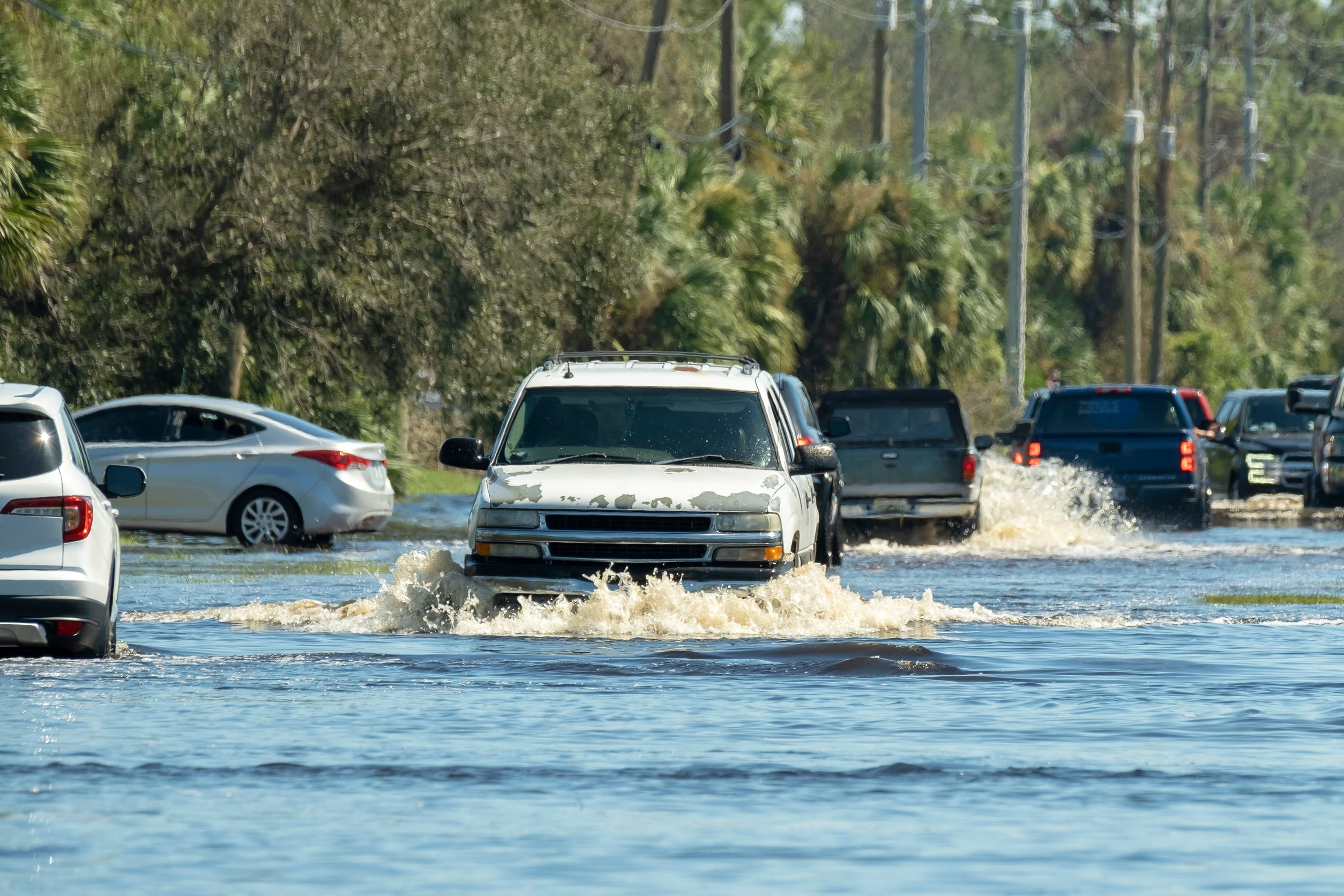
The first major risk from Tropical Storm Arthur is not the coastline. It is the road outside the house.
Heavy tropical rain can overwhelm streets in minutes, especially in low-lying neighborhoods, underpasses, and rural roads near creeks or drainage channels. That makes everyday driving one of the biggest risks during Arthur’s inland push.
This is where tropical storms become personal. A parent trying to reach daycare, a delivery driver finishing a route, or a nurse heading to an overnight shift may face water-covered roads before conditions look dramatic on radar.
The danger is that floodwater often hides what drivers cannot see. It can cover washed-out pavement, stalled cars, debris, open drainage holes, or moving water strong enough to push a vehicle sideways. Arthur’s wind may get the attention, but flooded roads may create the most urgent local threat.
The Storm Could Hit Working Families Before It Hits the Headlines
For many people along the Gulf Coast, Arthur’s biggest impact may come through disrupted routines. Schools, offices, construction sites, ports, refineries, restaurants, and small businesses all depend on roads, power, staffing, and predictable conditions.
A tropical storm does not need to destroy buildings to create economic pressure. A few inches of rain at the wrong time can delay hourly workers, reduce customer traffic, interrupt deliveries, and force businesses to close early.
This matters in communities where many households live on tight schedules. Missing a shift can mean missing pay. Losing power can mean losing groceries. Having a car stall in floodwater can become a financial emergency.
Grocery Stores and Gas Stations May Feel a Sudden Rush
Even when a storm is not forecast to become a hurricane, people tend to move quickly once warnings appear. That often means a late rush for bottled water, batteries, bread, milk, fuel, flashlights, and phone chargers.
Arthur formed close to land, which gives residents less time to prepare than a storm tracked for days across the Atlantic. That short runway can turn normal shopping patterns into crowded checkout lines.
The pressure is not always panic. Sometimes it is practical. Families want to avoid driving in heavy rain. Workers want fuel before roads flood. Elderly residents may need medication, batteries, or food before conditions worsen.
This creates a familiar Gulf Coast scene: not full hurricane preparation, but enough concern to change the rhythm of local stores. Arthur may be a tropical storm, yet it can still make daily supplies feel urgent.
Coastal Flooding Could Make Some Places Feel Cut Off
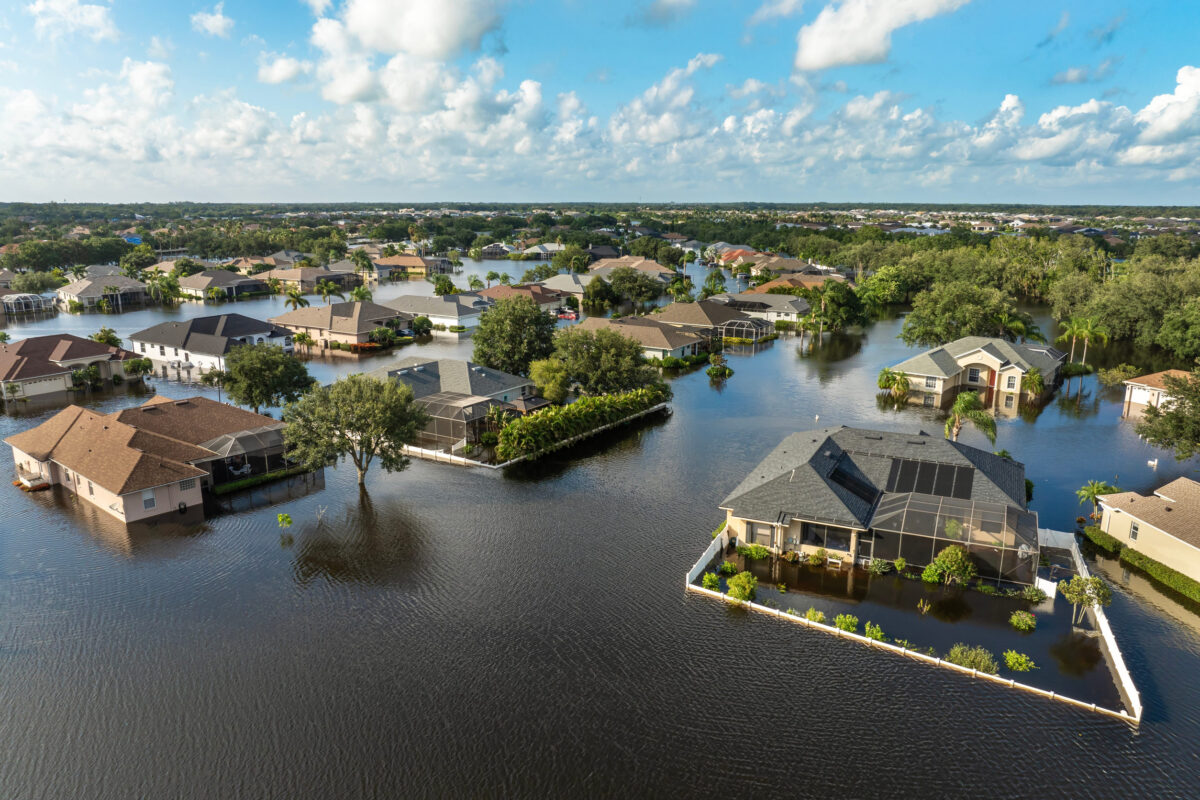
Arthur’s coastal flooding threat is not just about waves hitting beaches. It is about water moving into places where people park, work, fish, launch boats, and travel.
Low-lying roads near bays, marshes, canals, and waterfront neighborhoods can flood before the storm center arrives. That can isolate homes, slow emergency vehicles, and force residents to take long detours.
Coastal flooding also affects people who do not live directly on the beach. A flooded access road can stop a commute. A closed bridge can delay supplies. A waterlogged parking lot can shut down a business for the day.
That is why storm surge and high tides matter even when the storm is weak. A few feet of water in the wrong place can change the entire map of a community.
Arthur Could Make Beaches Dangerous Even Where the Sky Looks Calm
Beachgoers often judge safety by what they see overhead. Blue sky feels safe. Light wind feels manageable. But tropical systems can create dangerous surf and rip currents even when the worst weather is somewhere else.
Arthur’s influence over the Gulf can send rough water toward the coast. Rip currents can quickly pull swimmers away from shore, and they do not always appear obvious from the sand.
This risk is especially important for families, tourists, and locals who may think the storm has already passed or that it has stayed far enough away. The water can remain dangerous after the rain lightens and the clouds break.
For coastal towns, this is one of the quieter hazards. It may not dominate the headline, but it can turn a casual beach visit into an emergency.
Power Outages May Be Scattered but Still Disruptive

Arthur’s winds are not expected to reach hurricane strength, but tropical-storm-force gusts can still bring down tree limbs, damage weak branches, and knock power lines offline.
Scattered outages may not sound dramatic, but they matter when people are already dealing with heavy rain and flooded roads. A short outage can affect refrigerated food, medical devices, internet access, phone charging, and remote work.
The impact can also vary sharply by neighborhood. One block may keep power while another loses it for hours. Older trees, saturated soil, and gusty rain bands can make even moderate winds more disruptive.
Arthur’s power risk may not be widespread devastation. It is the smaller, uneven disruption that makes daily life harder.
The Storm Could Stress the Gulf Coast Energy Corridor
Arthur is moving near one of the most important energy regions in the United States. The upper Texas and Louisiana coasts are home to refineries, LNG facilities, ports, chemical plants, pipelines, and offshore operations.
A storm does not need to be a major hurricane to create operational headaches. Rough seas can slow offshore work. Flooded roads can affect staffing. Port adjustments can delay movement. Power issues can create temporary disruptions.
For most Americans, this may show up indirectly. Energy markets can react to storm risks, even when damage is limited. Local communities may also experience traffic changes, work stoppages, or shifts in industrial schedules.
This is one reason Arthur matters beyond the weather map. It formed near a region where storms can affect not only households, but also supply chains.
Tornado Threats Could Arrive Fast and With Little Warning
Tropical storms can produce brief tornadoes, especially in outer rain bands. These tornadoes are often quick, rain-wrapped, and harder to spot than the large wedge tornadoes people may picture from Plains storm coverage.
That makes Arthur’s tornado risk especially tricky. A neighborhood may go from heavy rain to a warning in a short time. The sky may look messy rather than dramatic.
These quick spin-ups can damage roofs, trees, fences, mobile homes, and small structures. They can also happen far from the center of the storm, which means people outside the main track still need to stay alert.
Arthur’s tornado threat is another reminder that the center line is not the whole story. In tropical systems, the trouble often arrives in bands.
Arthur Shows Why a “Below-Normal” Season Can Still Feel Serious

NOAA predicted a below-normal 2026 Atlantic hurricane season, but Arthur shows why that phrase can be misleading for people on the ground.
A below-normal season doesn’t mean no storms. It doesn’t mean no land impacts. It doesn’t mean no flooding. It only describes the expected overall activity across the Atlantic basin.
For one flooded neighborhood, seasonal totals do not matter. For one driver trapped on a road, the storm count does not matter. For one family cleaning water out of a garage, the phrase “below normal” offers little comfort.
Arthur is the kind of storm that makes hurricane season real. It may not become a hurricane, but it still carries enough rain, wind, surge, and disruption to change life across several states.