El Pollo Loco Revives a Cult-Favorite Side Dish: Nostalgia, Data, and the New QSR Playbook
A Menu Comeback That Signals a Bigger Industry Shift
The return of a fan-favorite side dish at El Pollo Loco is more than a nostalgic menu tweak. It reflects a deeper transformation in how quick-service restaurants are now built, tested, and optimized, where customer memory, digital behavior, and pricing psychology intersect.
In today’s QSR landscape, food returns are no longer random acts of nostalgia. They are structured decisions shaped by demand signals, app analytics, and emotional consumption patterns that brands can now measure with surprising precision.
This particular revival sits at the intersection of comfort eating, data-driven decision-making, and competitive positioning in a saturated chicken segment.
The Inflation Comfort Loop Driving Fast-Food Decisions

One of the most overlooked forces behind menu revivals is economic pressure.
Across the United States, consumers are increasingly prioritizing “safe value foods”, items that feel familiar, filling, and emotionally stable during periods of inflation fatigue. In this environment, returning menu items serve a very specific purpose:
They reduce decision friction.
Instead of trying something new, customers choose what they already trust. That trust translates directly into higher conversion rates, especially in mobile ordering environments where speed matters more than exploration.
For El Pollo Loco, the side-dish return serves as a value anchor, reinforcing the idea that need not feel experimental or expensive to be satisfying.
Why This Side Dish Matters More Than It Looks Like
Side dishes in modern QSR strategy are no longer secondary. They function as behavioral triggers inside combo construction.
A returning side dish performs three critical roles:
- It increases combo attachment rates by reactivating familiar pairings.
- It boosts perceived meal completeness without requiring new ingredients.
- It strengthens brand identity through repeatable flavor memory.
In practical terms, this means the side dish is not just returning, it is reactivating an entire purchase ecosystem built around it.
The Algorithmic Comeback: How Data Rewrites the Menu
Behind the scenes, modern menu decisions increasingly follow a data feedback loop rather than pure culinary instinct.
For brands like El Pollo Loco, menu revival decisions are often influenced by:
- Search frequency for discontinued items inside mobile apps
- “Out-of-stock regret” patterns in loyalty accounts
- Social media mentions of legacy menu items
- High-performing historical SKU data
This creates what can be described as an algorithmic nostalgia pipeline. where customer behavior effectively votes items back onto the menu.
In this context, the side dish return is not just a marketing decision. It is a response to persistent digital demand signals that never fully disappeared.
The Side Dish Economy Inside QSR Profit Strategy
While main entrées get the attention, side dishes often carry disproportionate financial weight.
Within QSR economics, sides function as:
- High-margin expansion tools
- Low-risk upsell components
- Combo optimization levers
- Speed-of-service enhancers
A returning side dish is particularly valuable because it already has established operational efficiency. That means:
- No major kitchen retraining
- No experimental supply chain risk
- Faster rollout speed compared to new products
This allows brands to maximize revenue impact with minimal structural disruption.
The TikTok Effect: How Consumer Nostalgia Became Operational Demand
The modern food revival cycle is increasingly shaped by social platforms, especially short-form video ecosystems.
Food nostalgia now follows a recognizable pattern:
Users post memories of discontinued menu items.
Content gains traction through comments and recreations.
Demand clusters form around specific legacy products.
Brands detect repeated spikes in digital mentions.
Limited returns are tested, then scaled.
This creates a new dynamic where consumers are no longer passive audiences; they are co-authors of the menu lifecycle.
The return of this side dish clearly reflects that shift. What was once quietly removed is now loudly resurrected through collective online pressure.
The Competitive Chicken Chain Pressure Cycle
The chicken-focused QSR segment is one of the most competitive categories in fast-casual dining.
Within this space, brands continuously operate in a cycle of:
- Limited-time offers
- Seasonal revivals
- Counter-menu launches
When one brand revives a popular item, competitors often respond with:
- Similar nostalgic re-releases
- Aggressive bundle promotions
- Value menu expansions
This creates what industry analysts describe as a quiet menu war, where differentiation is no longer just about innovation, but about timing, memory, and emotional recall.
The side dish revival at El Pollo Loco fits directly into this competitive rhythm.
Menu Memory: Why Customers Don’t Just Want Food Back
At the core of every successful menu revival is something deeper than taste.
Consumers are responding to what can be called menu memory, where food becomes a marker of personal time periods, jobs, relationships, routines, or phases of life.
When a discontinued item returns, it creates:
- Emotional continuity with past experiences
- A sense of regained familiarity in a changing world
- Increased willingness to re-engage with the brand ecosystem
This is why returning items often outperform new launches in their first weeks. They already carry emotional infrastructure.
Limited-Time Returns as Strategic Scarcity
Scarcity remains one of the most effective tools in QSR marketing, but it has evolved.
Today’s scarcity is not just about availability; it is about controlled windows of nostalgia.
Brands strategically use returning items to:
- Drive immediate traffic spikes.
- Increase app engagement rates.
- Reinforce urgency-driven purchasing behavior.
- Reset customer attention cycles.
The return of this side dish is designed to operate within that structure, generating momentum without requiring permanent menu expansion.
The Modern QSR Playbook in One Move
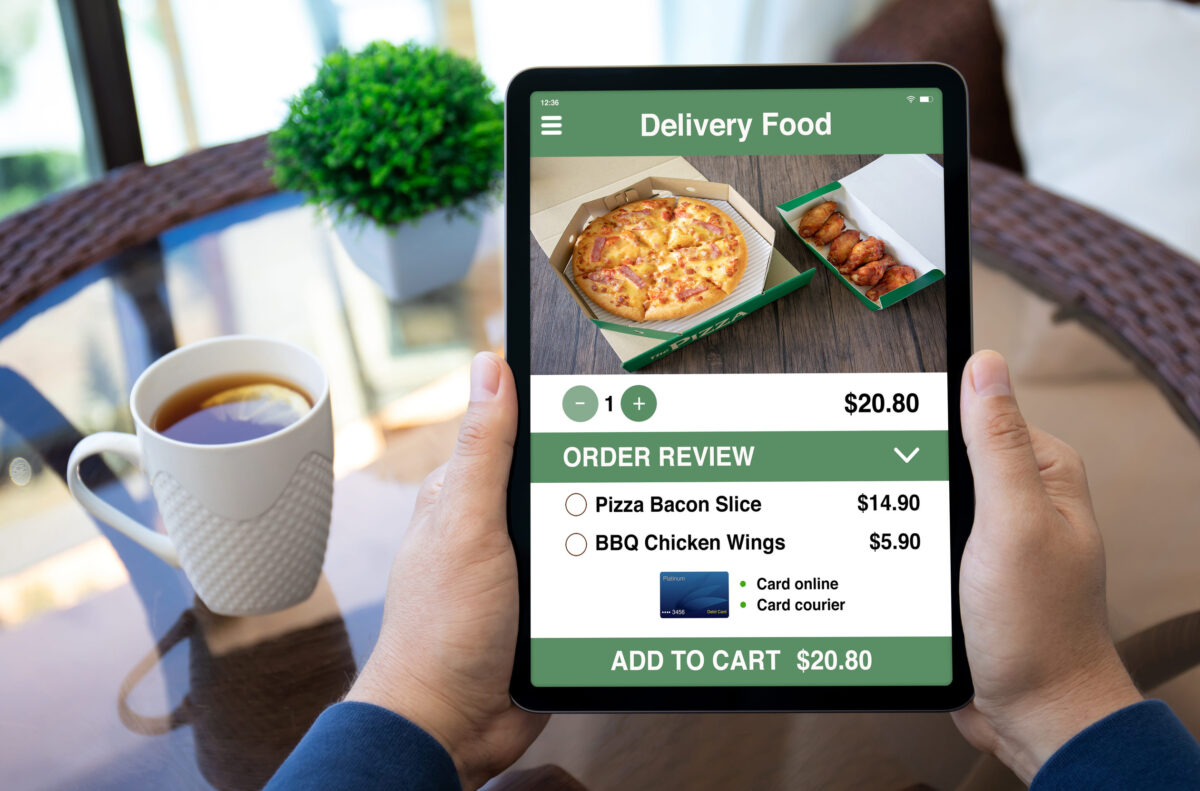
What looks like a simple menu update actually reflects a full strategic framework now common across leading quick-service brands:
- Data identifies demand gaps.
- Nostalgia validates emotional pull.
- Operations confirm feasibility
- Digital platforms amplify urgency.
- Limited returns trigger conversion spikes.
This is the new restaurant ecosystem, where memory, math, and marketing operate in sync.
A Small Dish With a Larger Industry Signal
The return of a fan-favorite side dish at El Pollo Loco is ultimately a signal of where the entire QSR industry is heading: toward menus that behave less like static lists and more like living systems.
In this environment, even a side dish becomes a strategic instrument, capable of driving engagement, reshaping perception, and activating entire customer cohorts who have never stopped waiting for it to return.