The Psychology Behind Digital Tipping: Tap-to-Tip Screens Are Changing Guest Behavior
Digital tipping has quietly become one of the most powerful moments in the modern restaurant experience. It happens at the end of the meal, often in seconds, when a guest sees a payment screen, chooses a suggested tip, and confirms the bill with a quick tap. Yet that small decision is not as simple as it looks. Behind every digital tip is a mix of emotion, social pressure, convenience, habit, fairness, and design.
We now live in a dining culture where the checkout screen can influence behavior almost as much as the service itself. A server’s warmth, the restaurant’s atmosphere, the suggested percentages, the wording on the screen, and even the speed of the payment process can all shape how much a guest leaves behind. Digital tipping is not just a payment feature. It is a behavioral moment.
For restaurants, cafés, bars, food trucks, hotels, and service-based businesses, understanding digital tipping psychology is now essential. The guest is no longer just paying the bill. The guest is responding to a carefully designed prompt at the exact moment when satisfaction, social norms, and personal identity collide.
Digital Tipping Has Turned the Final Payment Moment Into a Behavioral Decision
For decades, tipping was a familiar ritual. A guest looked at the bill, did mental math, placed cash on the table, or wrote a number on a receipt. The process had friction, but it also gave guests privacy and control. Digital tipping changed that rhythm.
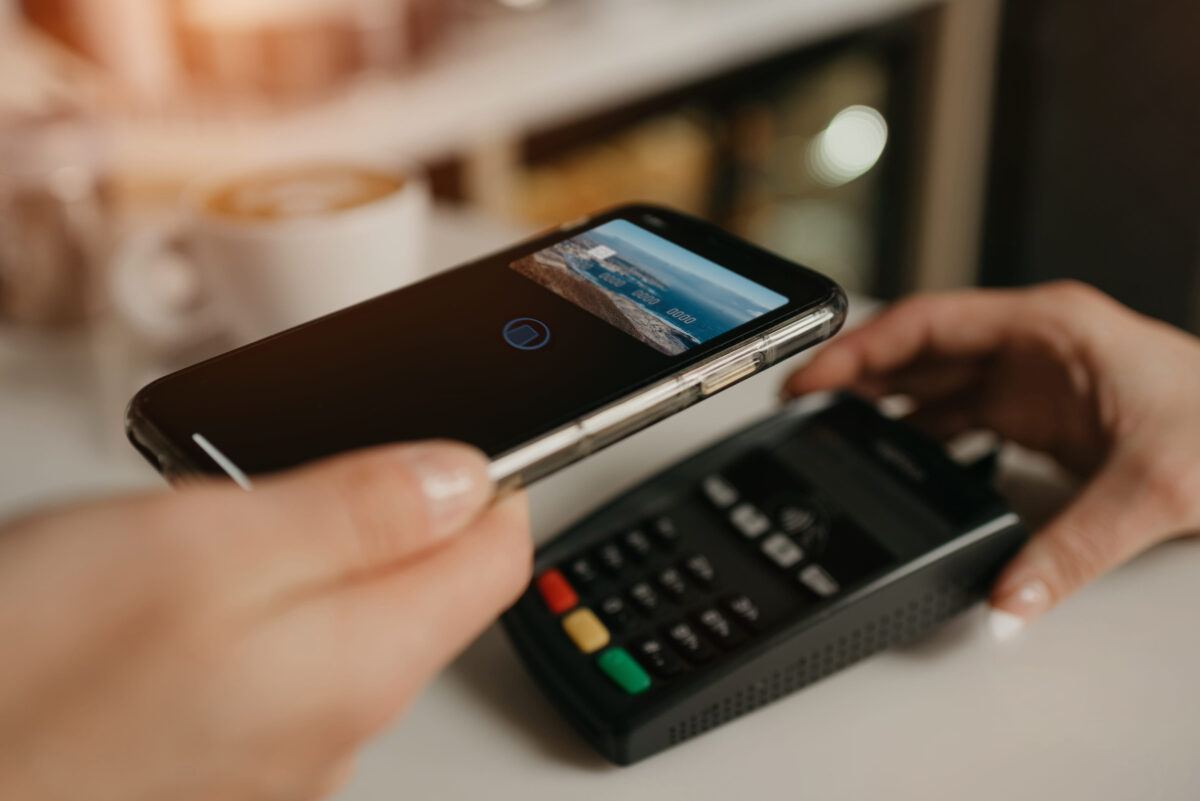
Today, the payment moment is faster, more visible, and more guided. A guest may be handed a tablet, shown a screen at a counter, or asked to scan a QR code at the table. Instead of calculating a custom amount, the guest sees preset options such as 18%, 20%, 22%, or 25%. In many cases, one of those options feels like the “normal” choice before the guest even thinks deeply about it.
This is where psychology enters the scene. Humans do not make every decision through careful calculation. We rely on shortcuts, signals, and social cues. When a screen presents three or four choices, the guest often interprets those choices as a recommendation. The middle option may feel safe. The highest option may feel generous. The lowest option may feel slightly uncomfortable, especially when the employee is standing nearby.
Digital tipping works because it compresses a social decision into a simple interface. The guest is not only deciding how much to pay. The guest is deciding what kind of customer they want to be in that moment.
Why Tap-to-Tip Screens Influence Guest Behavior So Strongly
Digital tipping screens are powerful because they appear at a sensitive emotional point. The meal has ended. The service experience is fresh. The guest may feel satisfied, rushed, watched, grateful, or mildly pressured. That emotional state matters.
When people are asked to make a decision immediately after receiving service, they often respond based on feeling rather than logic. A friendly greeting, a remembered order, a quick refill, or a sincere thank-you can increase the sense of connection. When the tip screen appears, that connection can turn into generosity.
Convenience also matters. Cash tipping requires preparation. Receipt tipping requires math. Digital tipping reduces effort. The guest can simply tap a suggested amount and move on. The easier a behavior becomes, the more likely people are to complete it.
The screen also creates what we can call a “decision frame.” If the options shown are 15%, 18%, and 20%, the guest perceives a single norm. If the options are 20%, 22%, and 25%, the guest sees another. The numbers do more than offer choices. They define what feels acceptable.
Choice Architecture: The Hidden Design Behind Digital Tip Amounts
Choice architecture refers to the way options are arranged to influence decisions. In digital tipping, this is one of the most important factors. The order, size, wording, and visibility of tip choices can all change guest behavior.
For example, a screen displaying 18%, 20%, and 25% gives the guest a different psychological experience than a screen displaying 10%, 15%, and 20%. The guest may not consciously analyze the difference, but the available choices shape the perceived standard.
The middle option is especially powerful. Many people avoid extremes. They do not want to appear cheap, but they may not want to choose the highest amount either. As a result, the middle tip often becomes the comfortable choice. This is why restaurants must think carefully about which percentages they present.
There is also the matter of default behavior. If a system highlights one option visually, centers it, or labels it as “recommended,” many guests will treat it as the expected action. This does not mean guests are being forced. It means the design is guiding them.
Ethical digital tipping should never trap or shame the customer. The best systems make tipping easy while still giving guests clear freedom to choose another amount or skip the tip when appropriate.
Reciprocity: Why Great Service Still Drives Better Tips
Even with all the attention on screens and payment design, the heart of tipping remains human. Guests are more likely to tip well when they feel cared for. This is the principle of reciprocity. When someone gives us attention, kindness, or effort, we often feel motivated to return something.
In restaurants, reciprocity appears in small moments. A server notices a guest’s water glass before being asked. A host remembers a returning customer. A bartender offers a thoughtful recommendation. A cashier handles a long line with patience and warmth. These moments build emotional credit.
When the guest later sees the digital tipping screen, that emotional credit becomes part of the decision. The tip is not only about the food. It becomes a response to the feeling the staff creates.
This is why digital tipping should never be treated as a substitute for hospitality. Technology can make tipping easier, but it cannot create genuine service on its own. The strongest results happen when great service and smart payment design work together.
Social Proof: Why Guests Follow the Tip Norms They See
People often look to others for cues about what is normal. This is social proof. In digital tipping, social proof can appear through suggested amounts, labels, or subtle wording.
When a guest sees a tip option labeled “Most common,” “Popular,” or “Recommended,” they may interpret that option as the social standard. Many people do not want to fall below what others are doing, especially in a service setting. The desire to behave appropriately can influence the final amount.
Even without labels, the percentages themselves create a norm. If the lowest option is 18%, the screen quietly suggests that 18% is the starting point. If the lowest option is 20%, the guest may assume that 20% is the new baseline.
Restaurants must be careful here. Social proof can encourage generosity, but it can also fuel tip fatigue when guests feel that expectations keep rising. A good tipping system should reflect the type of service provided. Full-service dining, quick-service counters, takeout, delivery, and hotel service should not all use the same tipping structure.
Tip Fatigue: When Digital Tipping Starts to Backfire

Digital tipping has expanded far beyond traditional restaurant service. Guests now encounter tip prompts at coffee shops, bakeries, self-service kiosks, food trucks, retail counters, delivery apps, and quick-service restaurants. As tipping requests become more frequent, some customers begin to feel exhausted.
This is known as tip fatigue. It happens when guests feel they are being asked to tip too often, too aggressively, or in situations where the level of service does not seem to justify the request. The result can be frustration, lower tips, negative reviews, or reduced customer loyalty.
Tip fatigue does not mean guests are selfish. It often means they are confused. They may support workers and still dislike unclear expectations. They may want to be generous but feel overwhelmed by constant prompts. They may wonder whether the business is using tips to shift labor costs onto customers.
Restaurants can reduce tip fatigue through transparency. Make the process simple. Explain where tips go when appropriate. Avoid extreme suggested percentages. Give guests an easy custom option. Make “no tip” available without shame in situations where tipping is optional.
The goal is not to pressure guests into tipping more once. The goal is to create a payment experience that feels fair enough for guests to return.