Fort Worth, Texas Arcade Built on Nostalgia Is Forced to Close After 35 Years, But the Real Reason Isn’t What People Expected
A longtime entertainment staple in Fort Worth is preparing to shut its doors, marking the end of a 35-year run that once defined a slice of local family recreation. Tornado Terry’s Family Amusement Center, a retro-style arcade known for its classic games, billiards, and ticket-based prize counters, will close in August after decades of operation and a dramatic decline tied to prolonged road construction nearby.
What began as a neighborhood amusement spot in 1989 has now become a case study in how infrastructure change can quietly reshape the fate of small businesses.
A 35-Year Legacy That Outlasted Generations of Change
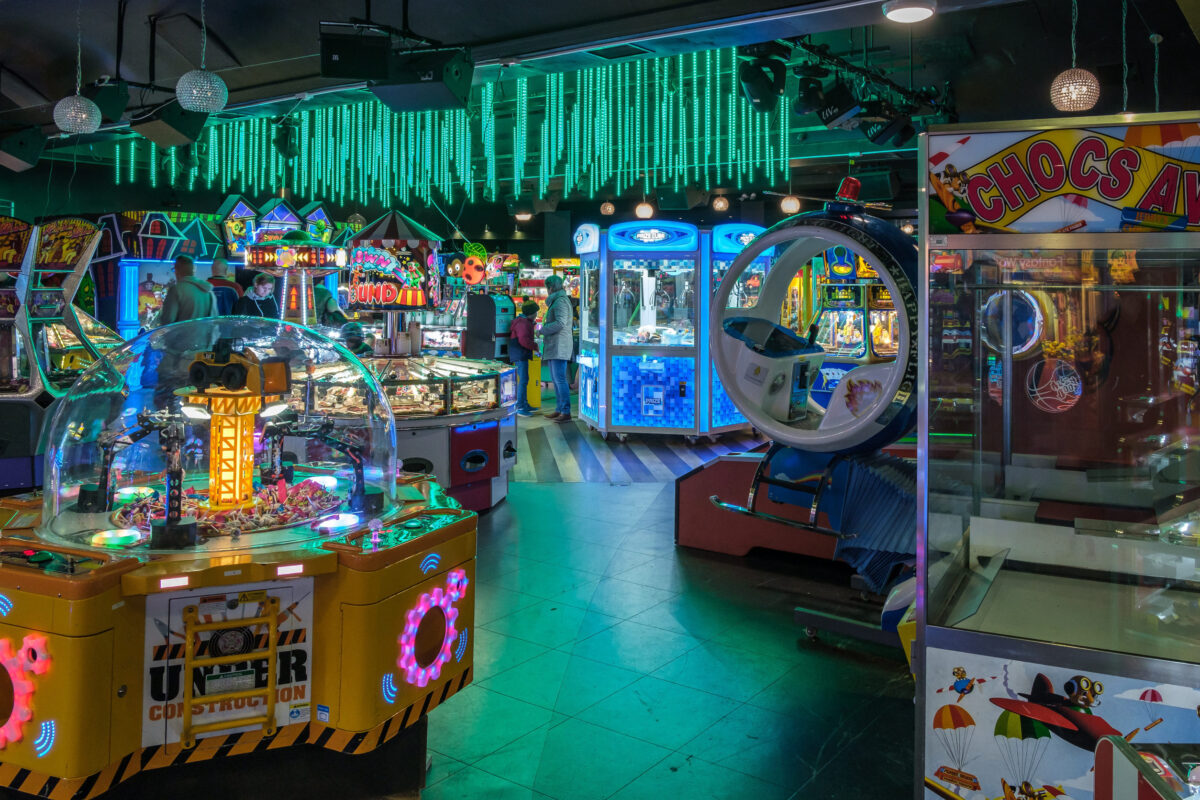
Tornado Terry’s originally opened in Keller in 1989 before relocating to its current Fort Worth site just a few years later. Over time, it built a steady reputation as a throwback arcade where families could spend hours on pinball machines, air hockey tables, and classic arcade cabinets long after the industry began shifting toward digital entertainment.
While many arcades across the country disappeared or reinvented themselves, Tornado Terry’s held on for more than three decades, becoming a familiar stop for birthday parties, weekend outings, and generations of local customers.
When Infrastructure Becomes the Breaking Point
The turning point, according to owner Shannon Bell, came with a major city road project along Keller Hicks Road. The $23 million improvement effort, launched in 2024, was expected to bring turn lanes and traffic signals to the area, but it also brought something far less predictable: prolonged disruption. Bell said the business initially sold part of its property to accommodate the project, with the understanding that construction would take about two years.
Instead, delays extended the timeline significantly, with completion now projected years later than expected. What followed was a steady economic decline. The first year of construction brought a reported 27 percent drop in business. The second year added another 34 percent decline, creating a level of pressure the business could not absorb alongside rising operating costs.
The Hidden Impact of “No Easy Way In”
Beyond revenue losses, the more difficult challenge became access. Road closures, shifting traffic patterns, and navigation apps rerouting drivers away from the area created what Bell described as an ongoing barrier to reaching the business.
In practical terms, even customers who wanted to visit often struggled to find a clear or reliable route. It is a modern retail problem that rarely appears in balance sheets: when visibility remains, but access disappears.
A Business Caught Between Time and Transition
Tornado Terry’s now stands at the intersection of multiple pressures that have built up over time. Rising supply costs, reduced foot traffic, extended construction timelines, and shifting consumer behavior all converged on a single location that had already outlasted decades of change in the entertainment industry.
Even as arcades across the country faded or transformed, Tornado Terry’s remained steady for 35 years. But Bell says the current conditions made continued operation unsustainable.
A Final Chapter Before the Lights Go Out
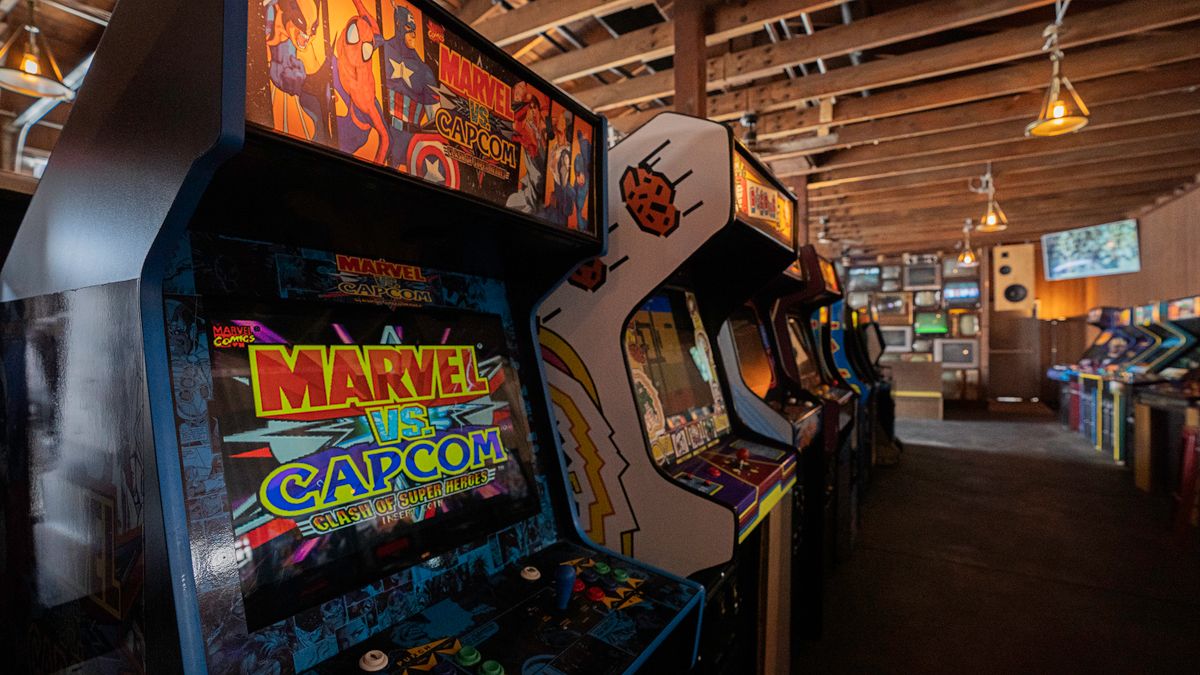
Despite the closure, the arcade plans to remain open through August, giving longtime customers a final opportunity to visit, play remaining games, and redeem accumulated tickets for prizes. A live auction will also be held to liquidate equipment and arcade machines before shutdown.
For many families in the area, those final weeks will serve as a last chance to step back into a space tied to childhood memories, weekend traditions, and generations of shared visits.
A Familiar Landmark Fades Into Memory
The closure of Tornado Terry’s is not just the end of a business in Fort Worth. It is the quiet disappearance of a local landmark shaped by decades of community life, now overtaken by infrastructure timelines and changing urban realities.
It survived the decline of arcades, the rise of home gaming, and shifting entertainment habits. What it could not survive was the slow, steady pressure of being harder and harder to reach. And in that sense, its story is not only about closure but about how modern cities evolve in ways that sometimes leave long-standing places behind.