Trump Administration Turns Evanston Reparations Fight Into a National Test of Race, Housing, and Power
The fight over reparations in Evanston, Illinois, is no longer just a local dispute over who should receive $25,000. It has become a national test of how far American cities can go when they try to repair race-based harm with public money.
The Trump administration has moved to intervene in a federal lawsuit challenging Evanston’s first-in-the-nation reparations program for Black residents and their descendants. The Justice Department argues that the city’s program violates the Constitution and federal housing law by distributing cash payments and housing-related financial assistance based on race.
Evanston sees it differently. City leaders and reparations supporters say the program is not political theater. They say it is a targeted response to decades of housing discrimination that damaged Black families, blocked wealth-building, and shaped where generations of residents could live.
That is what makes this case explosive. We are not only watching a fight over reparations. We are watching a deeper clash between two American ideas: equal treatment under the law and public repair for historic injustice.
A Local Reparations Program Becomes a Federal Power Struggle
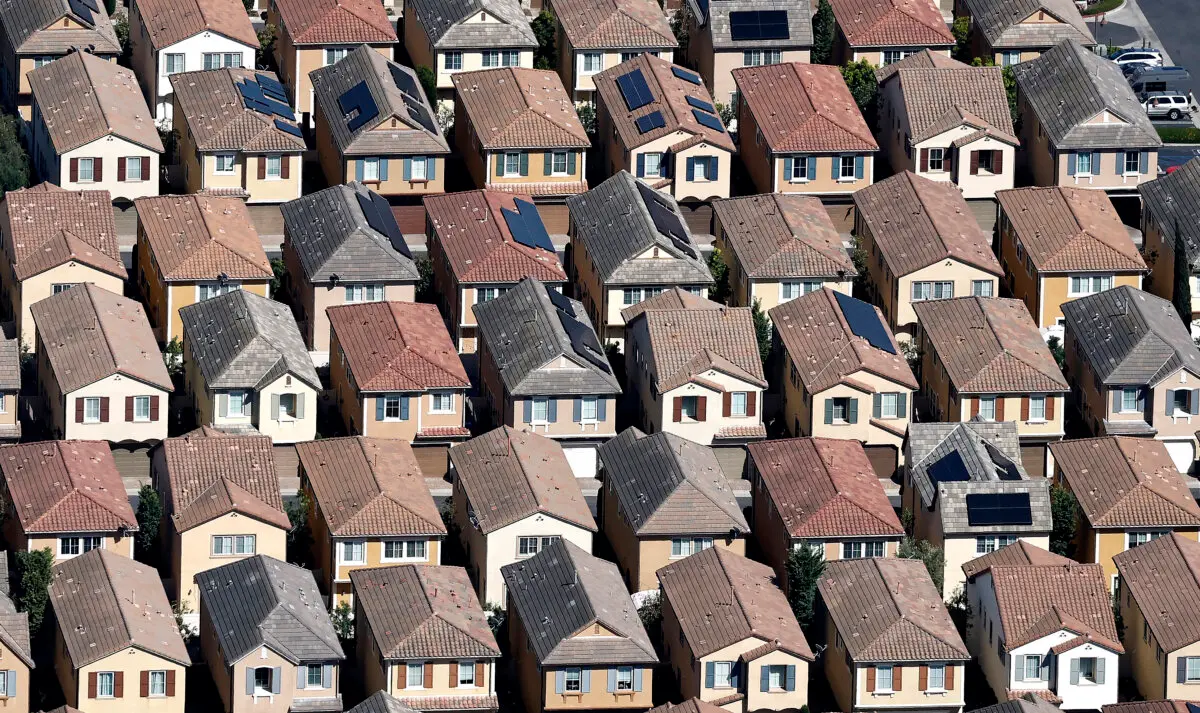
Evanston did not set out to become the center of a national legal war. The city built its reparations program around a specific local history: housing discrimination from 1919 to 1969.
The program was designed to help eligible Black residents, direct descendants of harmed residents, and some people who could prove they experienced housing discrimination tied to city policies after 1969. Approved recipients can receive up to $25,000 for housing-related support or cash benefits under the city’s rules.
But the federal government’s intervention changes the scale of the story. What began as one city’s attempt to answer for its own past has now become a national question: can a local government repair local racial harm on its own terms, or can Washington decide that the repair itself goes too far?
That tension gives this case its power. Evanston is defending local accountability. The Trump administration is defending what it calls race-neutral constitutional protection. Both sides are speaking the language of justice, but they are defining justice in completely different ways.
Why Housing Is the Heart of This Reparations Battle
The most important detail in this story is not the $25,000 figure. It is housing.
In America, housing has always been more than shelter. A home can affect school access, neighborhood safety, family stability, credit history, property equity, and inheritance. When families are blocked from buying homes or pushed into certain neighborhoods, the damage does not end with one generation. It can follow children and grandchildren.
That is why Evanston tied its first reparations effort to housing. City materials describe the program as a response to discriminatory zoning, segregation, exclusion, and policies that restricted Black residents’ access to opportunity.
Supporters argue that this was not an abstract injustice. It was a wealth-building injury. If a family was denied access to homeownership decades ago, they may have missed out on rising property values, equity, and the ability to pass assets down to their children.
That makes the case emotionally sharper for American readers. The debate is not simply about whether a city should write checks. It is about who was allowed to build wealth through housing and who was forced to watch that ladder pulled away.
The Cash Payment Question Made the Program More Explosive
Evanston’s original reparations model was easier to defend politically because it focused on housing assistance. Money could be used for down payments, mortgage help, closing costs, or home repairs. That made the program feel closely connected to the city’s stated harm: housing discrimination.
But once direct cash payments entered the picture, critics gained a stronger argument. They could claim the program had moved from a targeted housing remedy to race-based redistribution.
That distinction matters. Housing assistance sounds like a remedy tied to a specific policy area. Cash sounds broader, faster, and more politically vulnerable.
For supporters, direct cash gives recipients dignity and flexibility. It allows families to decide how repair should work in their own lives. For opponents, direct cash makes the program look less like a narrow legal remedy and more like a racial benefit.
This is one of the most important pressure points in the case. The court will not only examine the city’s intentions. It will look at how the program is designed, who qualifies, what proof is required, and whether the remedy is tightly connected to the harm.
The DOJ Says Race Cannot be the Shortcut.
The Trump administration’s argument is blunt: the government cannot distribute public benefits based on race unless it can meet the highest constitutional standard.
The Justice Department says Evanston’s program gives benefits to Black residents and descendants while excluding similarly situated people of other races. Federal officials argue that this violates the Equal Protection Clause of the 14th Amendment and the Fair Housing Act.
In simple terms, the DOJ is saying Evanston may try to help vulnerable residents, repair past wrongs, or invest in neighborhoods. But it cannot use race as the main gatekeeper for who receives public money.
That argument will resonate with Americans who believe government programs should be based on income, direct harm, geography, or individual proof rather than racial identity.
But Evanston’s supporters will push back with a different point: if the harm was race-based, a race-neutral solution may not actually repair it. They will argue that Black families were targeted as Black families, excluded as Black families, and denied opportunity as Black families. To them, refusing to name race in the remedy would soften the truth of what happened.
The Descendants Question Could Divide Readers the Most
One of the most controversial parts of the Evanston program is eligibility for descendants.
Supporters argue that descendants should qualify because housing discrimination creates generational damage. If a grandparent was blocked from buying property, that loss may have affected the wealth, education, stability, and options available to the next generations.
Opponents argue that public money should require direct, individual proof of harm. They say a person should not receive a government benefit today simply because an ancestor may have been affected decades ago.
This is where the case becomes deeply emotional and legally complicated. American families understand inheritance as the passing down of wealth. But the country is far more divided when the inheritance is harmed.
That is the difficult question under the surface of this lawsuit: if wealth can be inherited, can the loss of wealth be inherited too?
Evanston Could Become a Blueprint or a Warning
Other cities are watching this case closely. Across the country, local governments have studied reparations, created task forces, held hearings, and debated possible remedies. But Evanston went further than most. It moved from statements to payments.
That made the city a model for reparations advocates and a target for opponents.
If Evanston wins, other cities may see a legal path forward. They may become more willing to fund reparations programs tied to housing, local discrimination, or documented public policy harms.
If Evanston loses, the message will be very different. Cities may still talk about reparations, but they may redesign programs to avoid race-based eligibility. Future programs could focus on historically redlined neighborhoods, income levels, family displacement records, or proof of direct discrimination instead of racial identity.
That would not end the reparations movement. But it could change its shape.
The Case Is Part of a Bigger Fight Over Race-Conscious Policy
The Evanston lawsuit does not exist in a vacuum. It arrives during a larger conservative push against race-conscious policies in government, education, and public institutions.
After the Supreme Court’s decision limiting race-based affirmative action in college admissions, many diversity, equity, and inclusion programs have faced new scrutiny. Public agencies, universities, corporations, and local governments have all had to reconsider how they talk about race and how they design race-conscious initiatives.
The Evanston case now places reparations inside that same national battle.
To critics, reparations programs like Evanston’s are another form of government-backed racial preference. To supporters, they are different because they are not about preference. They are about repair.
That difference will be central to how the public sees the case. Is Evanston giving one group an unfair advantage, or is it trying to return something that was unfairly taken?
The Political Theater Argument Cuts Both Ways
The phrase “virtue signaling” is now part of the fight. Critics argue that officials use reparations to look morally courageous while spending taxpayer money in ways that may not survive court review.
That argument has political force. Many voters are skeptical of government programs that appear symbolic, selective, or designed to satisfy activists rather than solve problems.
But the accusation can cut both ways.
Supporters may argue that the federal intervention is also political. They may see the Trump administration’s move as part of a broader effort to make an example out of Evanston and scare other cities away from reparations.
That is why this case is likely to generate such a strong public reaction. Both sides can claim the other is using the courtroom to send a political message.
Equal Treatment or Equal Repair?
At the center of the case is a conflict America has never fully resolved.
One side says the government must treat every citizen as an individual and must not divide public benefits by race. The other side says the government cannot honestly repair race-based harm while pretending race had nothing to do with the damage.
This is the heart of the Evanston fight. Equal treatment asks the government to stop using race as a basis. Equal repair asks the government to confront what race was used to do.
The court will decide the legal question. The public will argue over the moral one.
Why This Story Will Not Stay in Evanston

Evanston wanted to become the city that proved reparations could move from speeches to policy. The Trump administration now wants it to become the case that proves many race-based reparations programs cannot survive constitutional review.
Either outcome will echo far beyond one Illinois suburb.
If the program survives, reparations supporters will have a stronger model. If it falls, opponents will have a powerful legal weapon. Cities across America will take notes, lawyers will study the ruling, and activists on both sides will use the decision as proof that the next battle has already begun.
This is why Evanston matters. The fight is not only about one program, one city, or one payment. It is about whether America can legally repair racial harm without being accused of creating new racial discrimination.
That tension is exactly why the case will keep spreading, keep dividing readers, and keep forcing the country to argue over what justice should look like when history refuses to stay buried.