GM Replaces Over 1,000 Workers With Robots at Detroit EV Plant, Sparking Labor Backlash
A sweeping automation push at General Motors’ flagship electric vehicle plant in Detroit is triggering growing anger among workers, after reports that more than 1,000 jobs have been displaced as robots take over key production roles inside the facility.
Union leaders say the shift at GM’s Factory Zero plant is not just a technological upgrade, but a direct replacement of human labor at scale, fueling fears that thousands more manufacturing jobs could follow the same path across the industry.
Mass job cuts linked to automation rollout
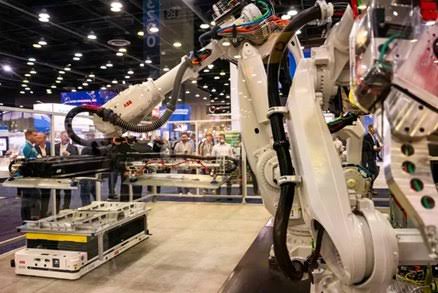
According to reports from inside the facility and union representatives, GM has deployed dozens of advanced “collaborative robots,” known as cobots, across its Detroit EV assembly line. These machines are designed to work alongside humans, but workers say their introduction has coincided with a dramatic reduction in staffing levels, with more than 1,000 employees reportedly removed from production roles or reassigned.
The cobots now perform tasks such as assisting with vehicle panel installation and assembly support—work that previously required large teams of skilled line workers. GM has not publicly confirmed the job loss figures in detail, but acknowledges expanding automation across its manufacturing operations as part of a broader push to improve efficiency and reduce costs.
Workers say the plant feels “stripped down”
Union officials and workers describe a factory floor that looks increasingly different from what it did just a few years ago. Where human teams once filled assembly stations, automated systems now handle repetitive tasks, leaving fewer workers spread across the production line. United Auto Workers Local 22 leadership has sharply criticized the changes, arguing that automation is being used to quietly reduce headcount while maintaining production targets.
One union representative said workers feel “pushed out of their own jobs,” while others warn that remaining employees are being forced to adapt to faster, more machine driven workflows without adequate training or protection. The union has filed grievances against GM, escalating tensions inside one of the company’s most high-profile EV facilities.
Rising fear over long-term job losses
For many workers in Detroit, the changes at Factory Zero represent more than a single workplace dispute; they reflect a broader fear that entire categories of industrial employment are disappearing. Factory Zero has long been considered a symbol of GM’s electric future, producing high-profile EV trucks and SUVs. But the rapid expansion of robotics has raised concerns that the plant is becoming a model for large scale labor replacement.
Union leaders argue that while automation is being framed as innovation, the real outcome is a shrinking workforce and fewer stable middle-class manufacturing jobs.
GM defends automation as necessary for survival.
General Motors maintains that the introduction of cobots is not about replacing workers, but about adapting to a rapidly changing auto industry. The company says automation improves safety by reducing repetitive strain injuries and allows for more flexible production during periods of fluctuating EV demand.
GM has also pointed to cost pressures in the EV market, where competition is intensifying, and consumer demand has been uneven. The company has paused production at Factory Zero multiple times in recent years, citing shifting market conditions. However, critics argue that profitability and efficiency targets are being prioritized over long-term workforce stability.
Profits rise while jobs disappear.
The controversy is further intensified by GM’s financial performance. The company has reported multi-billion-dollar profits in recent quarters, even as automation expands and staffing levels decline at key plants. To union leaders, this contrast has become a central point of frustration: record earnings on one side, and shrinking job opportunities on the other.
Workers say it raises difficult questions about who benefits from increased productivity—shareholders or employees whose labor is being replaced.
Automation has been building for decades.
The auto industry has been steadily moving toward automation for decades, with robots already handling many welding, painting, and assembly tasks.
But the latest wave of “collaborative robots” is different. Unlike traditional machines isolated behind safety cages, cobots are designed to operate directly alongside humans on the same production line. That shift is accelerating concerns that the line between human work and machine work is rapidly disappearing.
Safety claims meet workplace anxiety.
GM says cobots improve safety, but union representatives dispute that framing, arguing that close human-robot interaction introduces new risks rather than eliminating them. Workers also say the psychological impact is significant, as employees are forced to operate beside machines that can replace them without warning.
The union has raised concerns that automation decisions are being implemented faster than safety protocols and workforce adjustments can keep up.
What happens next in the labor fight
The United Auto Workers union has filed formal grievances and is expected to push for stronger protections around automation in upcoming negotiations with GM. The next major contract talks, scheduled for 2028, are expected to place automation limits, job guarantees, and workforce transition protections at the center of discussions.
In the meantime, GM is expected to continue expanding robotics across its manufacturing network as it adjusts its EV production strategy.
Why it matters
The changes at GM’s Detroit EV plant highlight a growing national flashpoint: the accelerating replacement of human labor with AI-driven and robotic systems in traditional industries.
For workers, the concern is not just job loss. It is the speed of change and the lack of clear protections as automation spreads. As factories become more machine-driven, the Factory Zero dispute may become a defining example of how far companies are willing to go in restructuring labor—and how much resistance that shift will face on the ground.