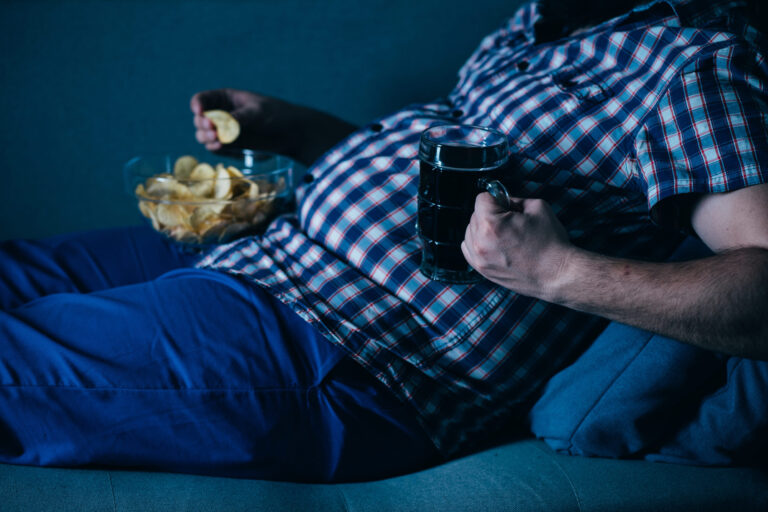
Study Shows Ozempic Users May Be Making A Major Weight Loss Mistake
Ozempic and other GLP-1 medications have changed the weight-loss conversation in America, but a new study suggests some users may be winning on the scale while quietly losing something just as important: daily movement. The biggest mistake may not be eating the wrong snack, skipping one meal, or forgetting one gym session. It may be assuming the medication can do the entire job while walking, strength, stamina, and muscle protection fade into the background.
New research presented at ENDO 2026 found that people using GLP-1 medications for obesity reduced their physical activity after starting treatment. Their average daily steps dropped from 5,047 to 4,487. Their moderate-to-vigorous activity fell from 28 to 22 minutes per day. That is not a dramatic collapse. It is something more subtle, and that is why it matters. A few hundred fewer steps a day can mean a quieter life, a weaker routine, and a lighter body, though not necessarily a stronger one.
Here are some ways Ozempic users may be making a major weight-loss mistake.
The Scale Can Make the Mistake Harder to See
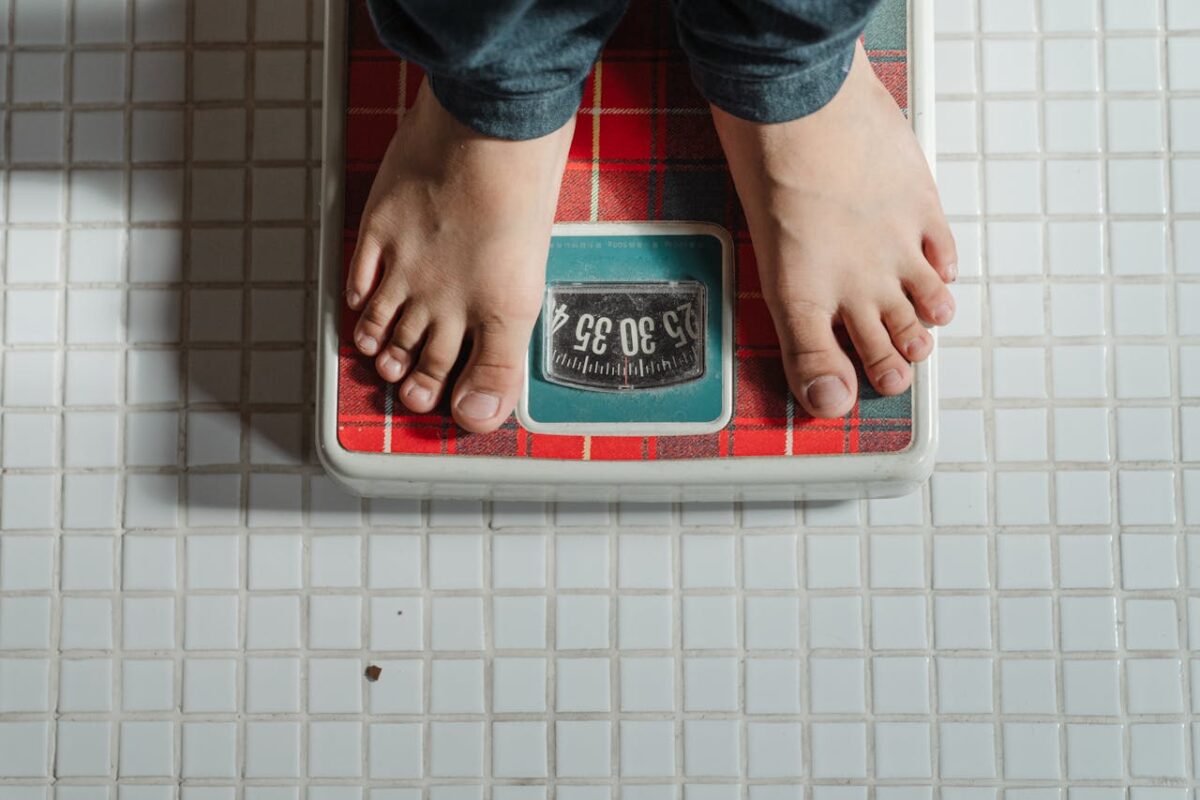
The danger with Ozempic-style weight loss is that the scale can look successful while the body’s fitness story becomes less clear. A person may be losing pounds, seeing looser clothes, and feeling encouraged. At the same time, they may also be walking less, sitting more, avoiding strength training, and losing some of the habits that protect long-term health.
That is the hidden trade. The scale celebrates the drop, but it does not show whether the muscle is being protected. It does not show whether the heart is getting stronger. It does not show whether daily movement is improving or quietly shrinking. This is why the new study feels important. It suggests some users may need more than a prescription. They may need a movement plan that adjusts as their appetite decreases.
The Real Weight Loss Mistake Is Treating Movement Like a Bonus
For many users, GLP-1 medications reduce hunger so effectively that exercise can start to feel optional. If the weight is already coming off, it is easy to think movement is no longer urgent. That is the trap. Exercise is not just a calorie burner. It is a muscle protector, heart trainer, blood sugar helper, mood stabilizer, sleep supporter, and mobility builder. It helps the body become capable, not just smaller.
The FDA labeling for Wegovy states that the medication is used alongside a reduced-calorie diet and increased physical activity. That wording matters because it frames movement as part of the treatment, not a decorative extra. The better mindset is simple: medication may help reduce appetite, but movement helps defend the body.
Losing Weight While Moving Less Can Create a “Fitness Gap”

A fitness gap happens when weight drops faster than strength, stamina, and mobility improve. That can leave someone lighter but still winded on stairs. Smaller but not stronger. More confident in photos but still tired during normal daily tasks.
This perspective sets the study apart from a typical Ozempic warning story. The concern is not that GLP-1 medications do not work. For many people, they do. The concern is that medication success can hide lifestyle decline if users do not actively protect movement. In other words, the weight loss can be real, but the health upgrade may be incomplete.
The Step Count Drop Is Small Enough to Ignore, but Big Enough to Matter
The study found a drop of about 560 daily steps after GLP-1 users started treatment. That may not sound like much. But over a week, that is nearly 4,000 fewer steps. Over a month, it can become more than 16,000 fewer steps. Over the course of a year, that quiet decline can add up to a major loss of everyday movement.
This is how modern inactivity often works. It does not always arrive as a dramatic lifestyle change. It arrives as fewer errands on foot, shorter walks, skipped workouts, more couch time, and less casual movement after meals. Ozempic users do not need to become athletes overnight. But they should watch for the slow creep of less movement, especially when the medication is already making weight loss feel easier.
Muscle Is the Part of Weight Loss People Forget to Protect

When people talk about losing weight, they usually mean losing fat. But the body is more complicated than that. During major weight loss, the body can lose a mix of fat and lean mass. That makes strength training especially important for people using GLP-1 medications.
Muscle supports metabolism, balance, posture, movement, and independence. It helps people lift groceries, climb stairs, get off the floor, protect their joints, and stay active as they age. This is why a smart Ozempic routine should include resistance work. It does not have to be extreme. Wall pushups, chair squats, resistance bands, light dumbbells, step-ups, and supervised gym machines can all help send the body a clear message: keep the muscle.
Side Effects May Be One Reason Some Users Move Less
Some GLP 1 users experience nausea, constipation, vomiting, diarrhea, reflux, fatigue, or low appetite, especially when doses change. When someone feels unsettled or underfed, exercise can become the first thing they drop. That does not mean users should force intense workouts when they feel unwell. It means the movement plan should match the body’s reality.
On difficult days, a short walk may be enough. On better days, strength training can return. For people with joint pain, low-impact options such as cycling, water walking, swimming, stretching, or chair-based routines may be more realistic. The goal is not punishment. The goal is consistency.
America’s Obesity Numbers Make This Bigger Than One Medication
This issue matters because GLP-1 medications are no longer a niche trend. They are part of a much larger national health conversation. CDC data show that 40.3% of U.S. adults had obesity from August 2021 to August 2023. The share of adults with overweight, including obesity, was 72.4%. That means millions of people are looking for effective ways to lose weight, reduce risk, and improve quality of life. GLP 1 medications can be part of that answer for eligible patients under medical guidance.
But if more people use these drugs while becoming less active, the country could trade one health problem for another: lower weight, but weaker daily fitness. That is why the movement message needs to travel with the medication message.
The Best GLP 1 Plan Is Not More Pressure, but Better Structure

The solution is not to shame Ozempic users. It is to give them a clearer blueprint. A strong weekly plan can be simple. Walk most days. Strength train twice a week. Add protein with meals when medically appropriate. Drink enough water. Track energy, strength, steps, waist size, and how the body feels, not just the number on the scale.
CDC guidelines recommend at least 150 minutes of moderate intensity activity each week and two days of muscle-strengthening activity. For beginners, that can be broken into small pieces: 10 minutes after breakfast, 10 minutes after lunch, and 10 minutes after dinner. Small movement done repeatedly beats dramatic movement done once.