8 Foods to Never Buy at Walmart Without a Modern Shopper’s Strategy
In 2026, Walmart operates on a scale that integrates grocery retail, private-label manufacturing, and ready-to-eat food service into a single ecosystem. That scale brings undeniable convenience and competitive pricing, but it also creates uneven outcomes across certain food categories.
We are no longer dealing with a simple “cheap versus expensive” grocery decision. We are dealing with consistency, sourcing transparency, freshness control, and rapid private-label reformulation happening at a national scale.
In this environment, some foods warrant a more careful approach before they go into the cart.
Great Value Reformulated Packaged Foods
Walmart’s private-label system is undergoing one of the most aggressive reformulation shifts in U.S. retail, including the removal of synthetic dyes and dozens of additives across thousands of products, with full rollout targeted around 2027.
This kind of large-scale reformulation improves ingredient standards, but it also creates a transitional period where product consistency can vary between old and new formulas.
We should be especially mindful of packaged snacks, sauces, and flavored items under private-label brands, where subtle changes in sweeteners, emulsifiers, or stabilizers can alter taste and texture more noticeably than in shelf-stable basics.
In contrast, core staples like rice, oats, canned beans, and frozen vegetables tend to remain stable and reliable during these transitions.
Fresh Rotisserie Chicken and Prepared Hot Foods
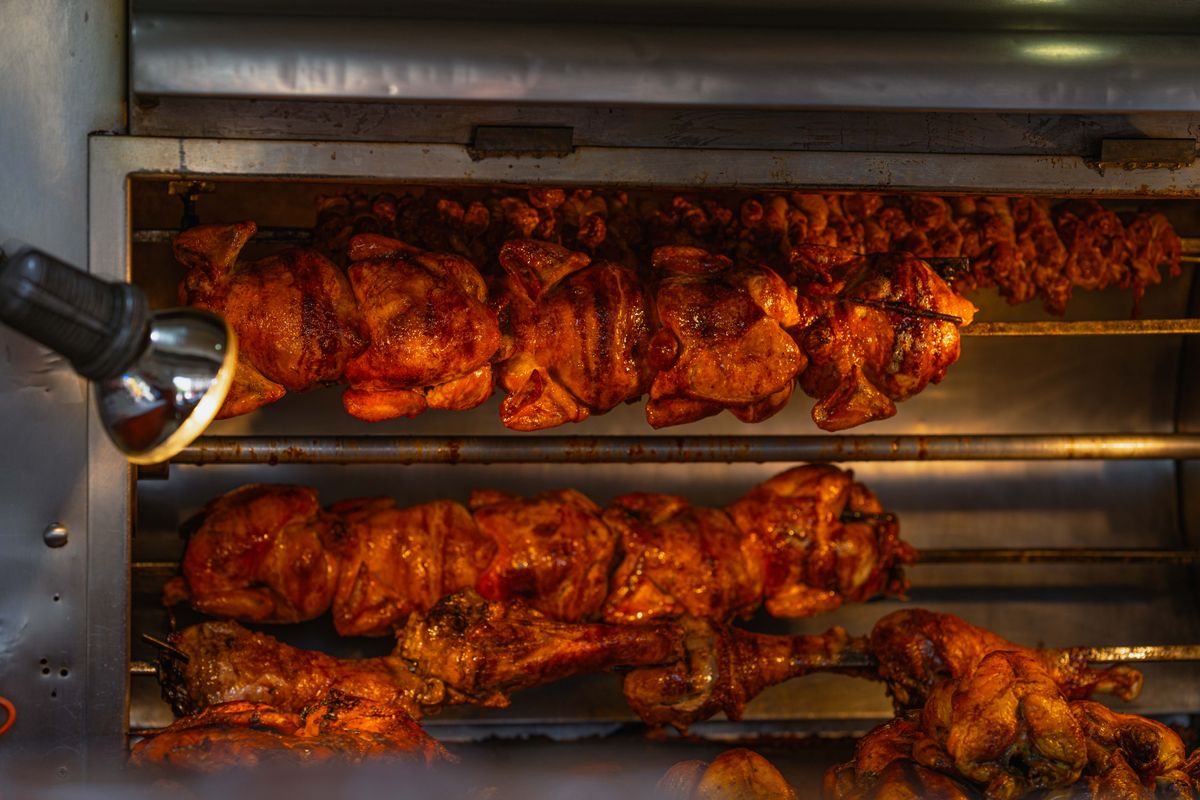
Walmart has expanded aggressively into prepared foods, positioning its deli and hot food sections as direct competitors to fast-casual dining. Rotisserie chicken, fried chicken, and ready-to-eat meal trays are now central to that strategy.
The challenge is not safety. It is consistency and turnover.
Prepared foods depend heavily on how quickly they move through a specific store. In high-traffic locations, the product may be freshly rotated and moist. In slower locations, the same items may remain under heat lamps longer, leading to dryness, changes in salt concentration, and reduced texture quality.
We should only purchase these items when they clearly appear freshly prepared and are likely to be consumed the same day.
Organic Produce Without Visual Quality Checks
Organic produce continues to grow in demand, but the “organic” label is not a guarantee of superior freshness, taste, or handling quality. It is a production standard, not a final quality indicator.
At the Walmart scale, organic fruits and vegetables are often distributed through long supply chains involving multiple storage and transport stages. That can impact shelf life, especially for delicate produce like berries and leafy greens.
We should never rely on the label alone. Instead, we should inspect produce directly for bruising, moisture inside packaging, soft texture, and uneven ripeness.
In many cases, conventionally grown produce that looks fresher may offer better value and quality than organic produce that has spent more time in transit or storage.
Frozen Shrimp and Mass-Market Seafood
Seafood remains one of the most sensitive categories in mass retail because quality is highly dependent on freezing methods, handling conditions, and sourcing transparency.
Frozen shrimp, in particular, can vary significantly based on ice glazing levels, processing origin, and whether the product has experienced temperature fluctuations during distribution.
We should be cautious when seafood appears to contain excessive ice crystals, uneven sizing, or added sodium solutions that inflate weight and alter texture.
When seafood quality matters for flavor or presentation, better consistency is often found at specialty seafood counters or high-turnover club stores, where inventory moves quickly, and sourcing is more tightly controlled.

Fresh Juices and “Healthy-Looking” Bottled Drinks
Juices and wellness beverages often present a strong health image while delivering concentrated natural sugars and limited fiber compared to whole fruit.
Even 100 percent juice products can contain multiple servings per bottle, which makes sugar intake easy to underestimate if label reading is not careful.
We should be especially cautious with juice blends, juice cocktails, and beverages marketed as wellness or detox drinks, as these often include concentrates or added sweeteners.
Whole fruit and water remain more balanced choices for everyday hydration and nutrition, while juice is better treated as an occasional rather than primary dietary staple.
Specialty Cheese Stored in Low-Turnover Conditions
Walmart’s cheese selection has improved significantly in basic categories, but specialty and artisanal cheeses depend heavily on turnover and storage conditions.
Cheese is highly sensitive to temperature and shelf life. Even high-quality products can lose texture and flavor if stored too long or exposed to inconsistent refrigeration conditions.
We should be cautious about specialty cheeses that appear dry at the edges, have an inconsistent texture, or are close to expiration despite premium pricing.
For events or flavor-focused use, specialty grocers, delis, and dedicated cheese counters often provide fresher, more consistent selections.
Snack Foods During Heavy Promotion Cycles
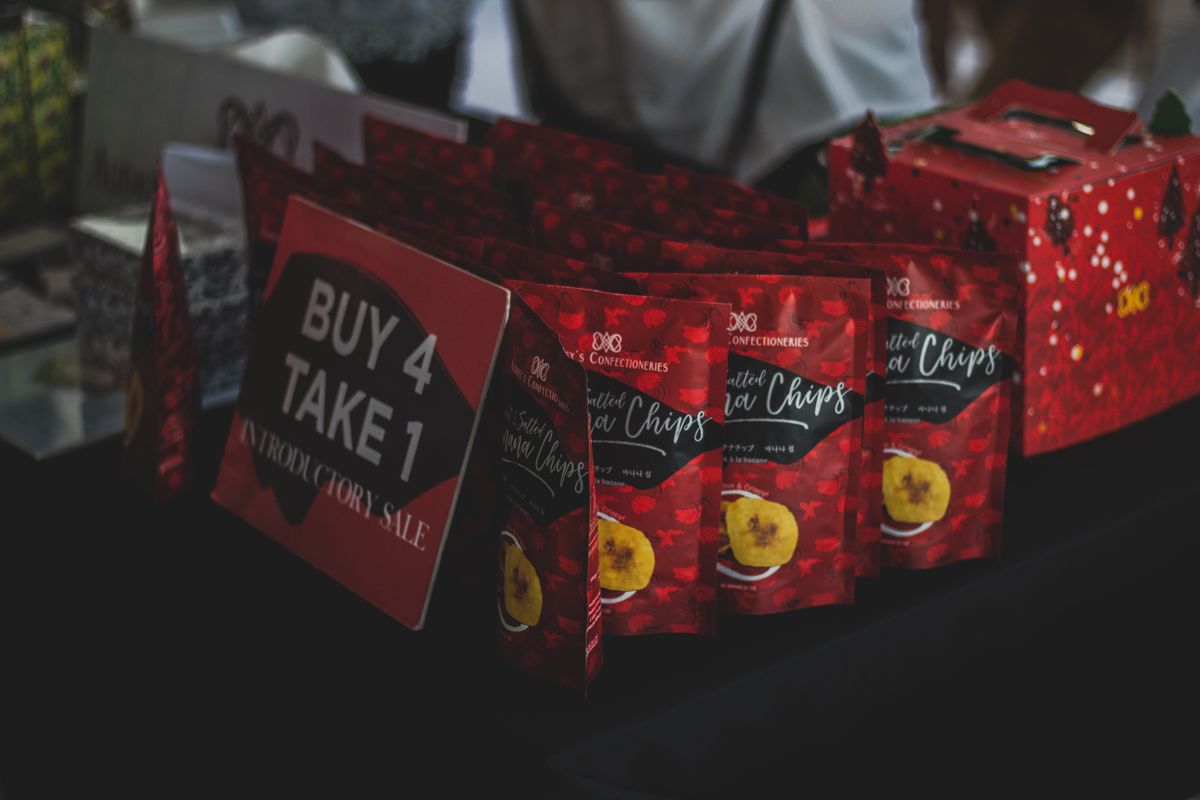
Snack aisles in large retailers are heavily influenced by promotional cycles, seasonal displays, and bulk merchandising strategies.
While pricing may appear attractive, product freshness can vary depending on how long inventory has been sitting in storage or on shelves during promotional runs.
Chips, crackers, and popcorn are particularly sensitive to staleness, which may not be visible until the product is opened.
We should avoid assuming that larger bags or promotional bundles automatically represent better value, especially when freshness and texture are key to the product experience.
Ground Beef Without Lean Ratio Comparison
Ground beef remains one of Walmart’s strongest grocery categories, but value depends heavily on understanding fat ratios and cooking yield rather than shelf price alone.
Higher fat content increases shrinkage during cooking, reducing usable meat and potentially increasing the overall cost per serving beyond expectations.
We should compare lean percentages carefully and consider how the beef will be used. Higher fat blends may be suitable for burgers, while leaner options are often better for sauces, meal prep, and bulk cooking.
The most accurate comparison is not price per package, but price per cooked portion.
Modern Walmart Grocery Reality
Walmart’s grocery system is no longer just a discount model. It is a vertically integrated private-label engine, a prepared food competitor, and a national-scale supply chain optimized for speed and price control.
As ingredient reforms continue and prepared food categories expand, the smartest shopping approach is not avoidance but awareness.
We gain the most value when we understand where Walmart excels in consistency and scale, and where freshness, specialization, or turnover still matter more than price.
The goal is not to shop less at Walmart. The goal is to shop there with sharper judgment.