Democrats Took Millions From Employees at China-Flagged Firms. Now Republicans Have a Weapon
Democrats have a new China problem, and this one comes with a dollar figure Republicans will not let voters forget.
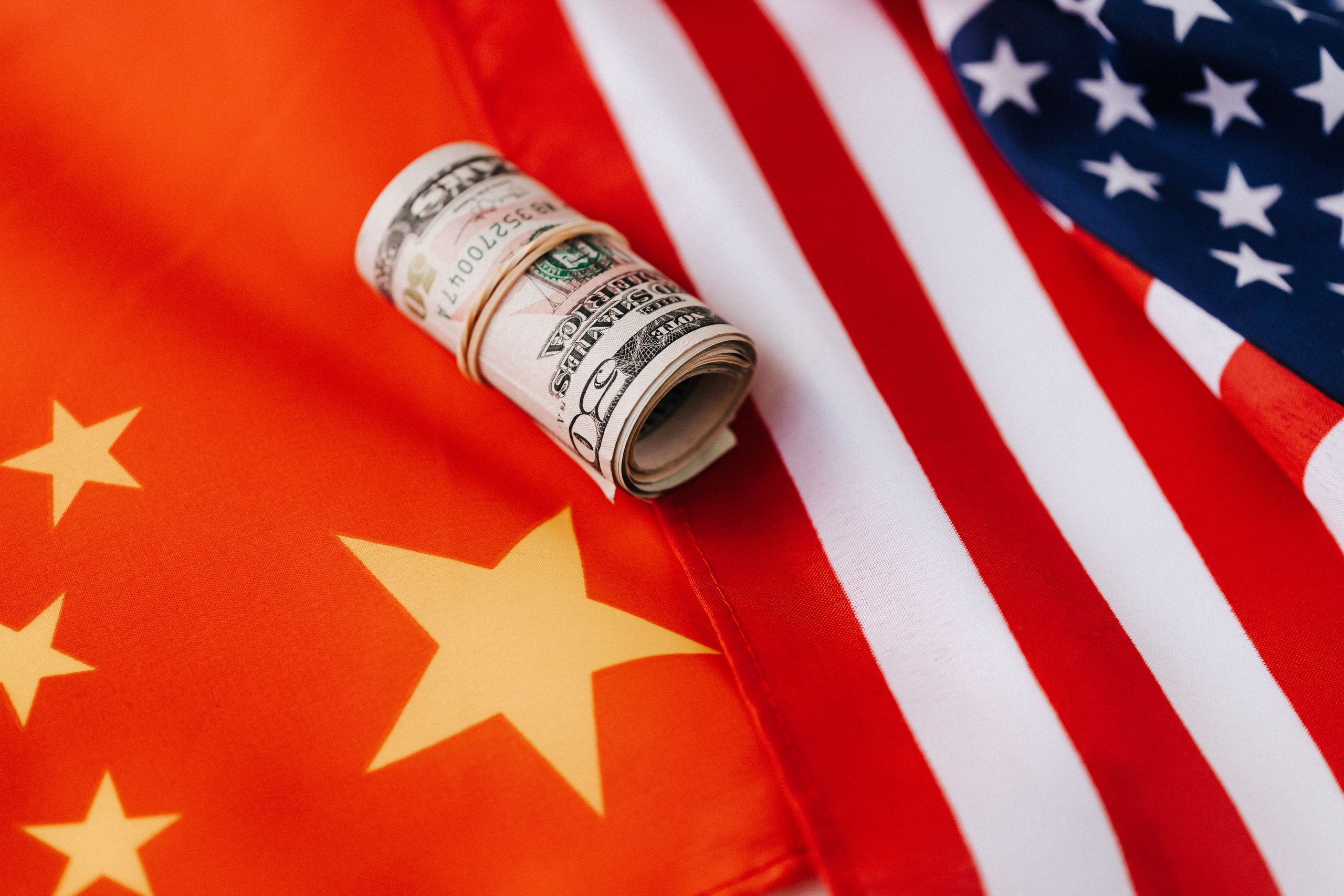
A review of campaign finance filings found that employees affiliated with Alibaba, Baidu, and BYD have donated roughly $2.6 million to Democratic candidates and committees since 2020. Those same companies were recently added to the Pentagon’s list of “Chinese military companies,” a label that instantly turns ordinary campaign cash into political ammunition.
That does not mean the companies themselves donated. It does not automatically mean the donations were illegal. But in Washington, the legal question is only part of the fight.
The more dangerous question is simpler: why are powerful Democrats taking money connected to firms the U.S. government now says raise national security concerns?
The China Cash Problem Democrats Did Not Need
The timing could hardly be worse for Democrats.
China has become one of the few issues on which voters across party lines share genuine suspicion. Americans worry about jobs, technology theft, electric vehicles, farmland, TikTok, artificial intelligence, and Beijing’s growing military power.
Now Republicans can point to a campaign money trail and ask whether Democrats were too comfortable with donors tied to Chinese corporate power.
The list of Democratic recipients reportedly includes committees connected to major figures and institutions, including Joe Biden, Kamala Harris, Nancy Pelosi, Adam Schiff, Gavin Newsom, and the Democratic National Committee.
That is what gives the story political force.
This is not a small-town treasurer explaining a stray donation. This involves national Democrats, major campaigns, and companies now sitting under a Pentagon warning label.
For Republican strategists, the attack writes itself.
Democrats say they defend democracy. Republicans will ask why they took money connected to companies the government says may support China’s military ecosystem.
Legal Donations Can Still Look Toxic
Democrats will likely respond with the clearest defense available: these were individual donations, not corporate checks.
That distinction matters.
Federal law already bars foreign nationals from giving to U.S. candidates and political committees. U.S. citizens and lawful permanent residents can donate within legal limits, even if they work for foreign-based companies.
But politics does not always wait for a courtroom standard.
The issue is not only whether the money was legal. The issue is whether voters believe politicians are exercising good judgment when money flows from employees at firms now flagged by the Pentagon.
That is where Democrats face a trust problem.
When voters hear “Chinese military company,” they may not pause to separate a corporation from an employee, or a legal donor from an illegal foreign contribution. They hear China. They hear campaign cash. They hear Washington insiders again playing by rules ordinary Americans do not understand.
That is the opening Republicans want.
Republicans Smell Blood on National Security
For Republicans, this story combines three powerful political ingredients: China, money, and elite hypocrisy.
They can argue that Democrats lecture the country about protecting democracy while accepting donations from workers connected to firms now viewed through a national security lens.
It is a sharp message because it does not require a long explanation.
The companies were flagged. The donations went to Democrats. Voters can decide what that means.
That simplicity is politically dangerous.
Republicans do not have to prove corruption to make the issue damaging. They only have to raise doubt. In a country already exhausted by scandals, fears of foreign influence, and big-money politics, doubt can travel faster than denial.
The attack also lands in a broader fight over who is tougher on China.
Democrats have tried to show they can compete with Beijing through industrial policy, semiconductor investment, and trade enforcement. Republicans want voters to see Democrats as weak, compromised, or too close to global corporate interests.
This money trail gives the GOP a new way to make that argument.
The Pentagon Label Changes Everything
Alibaba, Baidu, and BYD are not unknown firms.
Alibaba is a global e-commerce and cloud computing giant. Baidu is a major Chinese technology company tied to search, artificial intelligence, and autonomous driving. BYD is one of the world’s most important electric vehicle and battery manufacturers.
In business coverage, they are often described as innovation leaders.
In national security politics, they now find themselves in a much more uncomfortable position.
The Pentagon’s list does not automatically ban them from all U.S. businesses. But it does block them from U.S. defense contracts and casts a shadow over their role in China’s military-civil fusion system.
The companies have denied being military enterprises or supporting China’s military.
Those denials may matter in legal and business fights. But politically, the damage begins the moment their names appear beside the words “Chinese military companies.”
That label gives Republicans a headline. It gives conservative media a storyline. It gives voters another reason to question who has access to Democratic power.
Democrats Face the Question They Hate Most
The hardest question for Democrats is not whether every donation was legal.
The hardest question is whether the money should be returned.
If Democrats keep it, Republicans can say they are refusing accountability. If they return it, Republicans can say they are admitting the money was a problem.
Either way, the issue keeps breathing.
That is why this story is bigger than $2.6 million. In modern campaigns, that figure is not enough to decide a national election. But it is enough to create a narrative.
And narratives matter.
A factory worker in Michigan, a veteran in Arizona, or a small-business owner in Pennsylvania may look at this story and wonder why politicians keep ending up so close to foreign-linked money while ordinary Americans are told to trust the system.
That is the real danger for Democrats.
This is not just a story about China. It is a Washington story.
A Trust Crisis Wearing a Campaign Finance Label
Democrats can argue that Republicans are weaponizing legal donations. Republicans can argue that Democrats are dodging accountability. Both sides will claim the other is playing politics.
But voters may see something more familiar and more frustrating.
They may see another example of a political class that talks about national security in public while taking donor money in private. They may see another sign that Washington’s rules are too loose, too complicated, and too friendly to people with access.
That is why the story could stick.
It touches the nerve running through American politics right now: trust.
Who do politicians answer to? Who gets influence? Who gets protected? And when foreign-linked money enters the picture, who is willing to give it back before being forced to?
Democrats may survive the legal question.
The accountability question will be harder.
Because in politics, money does not have to be illegal to become a scandal. Sometimes it only has to make voters feel like Washington forgot who it was supposed to serve.