Trump vs Senate GOP: Inside the Transactional Loyalty Collapse Reshaping Republican Power in Washington
President Donald Trump’s relationship with Senate Republicans has moved beyond routine political friction into a more unstable and revealing phase, one defined by fractured trust, competing power centers, and a growing sense within the GOP that coordination has given way to confrontation.
What makes this moment different is not simply disagreement over policy. It is the breakdown of the internal operating system that once held Republican governance together. Senate leaders such as Majority Leader John Thune are now managing a conference that must simultaneously satisfy institutional expectations, electoral pressures, and a president who continues to intervene unpredictably in legislative sequencing.
At the center of this conflict is a new governing reality: Republican politics is no longer a single command structure. It is a three-node power system. White House pressure, Senate institutional control, and movement-aligned loyalty blocs each pull policy in different directions.
The Collapse of Transactional Loyalty Inside the GOP
For years, Republican governance operated on an implicit exchange system.
- Senators delivered procedural alignment and votes.
- Trump delivered electoral energy and endorsement power.
That arrangement is now breaking down under the strain of repeated deviations on both sides.
Senators increasingly argue that loyalty no longer guarantees predictability. Trump-aligned interventions, especially surprise policy reversals and primary threats, have shifted Senate behavior from cooperative to defensive.
A defining example came when John Cornyn publicly described the shift toward “transactional relationships” after facing primary pressure, despite voting in line with Trump’s agenda over 99 percent of the time. His experience is now viewed inside the conference as a warning signal: ideological alignment does not equal political security.
This perception has quietly reshaped Senate behavior. Instead of long-horizon coalition building, many Republicans now operate in short cycles of political risk management.
The Three Power Centers Driving Republican Fragmentation
The modern GOP is no longer hierarchical. It now functions as a triangular power system:
White House Execution Power
Trump’s strategy centers on rapid intervention, public pressure, and agenda acceleration. Legislative sequencing is often adjusted through sudden announcements rather than committee negotiation.
Senate Institutional Control
Led by John Thune, this layer prioritizes predictability:
- stable voting windows
- committee-managed nominations
- negotiated bill packaging
Movement Enforcement Bloc
Senators aligned closely with Trump’s political base, including figures like Rick Scott, serve as amplifiers of presidential demands inside the chamber.
The tension between these nodes is not occasional; it is structural. Each group operates with different definitions of “success,” creating constant friction over timing, messaging, and legislative priority.
Jay Clayton’s Hearing and the Signal of Executive Interference
The delayed confirmation process for Jay Clayton became a visible rupture point in Senate workflow discipline.
Senators expected a standard confirmation trajectory. Instead, Trump’s decision to pause Clayton’s hearing disrupted floor planning and forced leadership to rework intelligence and surveillance negotiations tied to FISA Section 702.
The interruption mattered less for its policy substance and more for its signal: Senate scheduling can be overridden after the fact.
That dynamic weakens leadership authority, particularly for Thune, whose role depends on predictable sequencing. In private, GOP senators describe the result as “calendar instability,” a condition where even agreed-upon legislative timelines can be reset externally.
FISA Section 702 Becomes a Governance Stress Test
The reauthorization of FISA Section 702 has evolved into more than a surveillance debate. It has become a test of whether the Senate GOP can maintain internal coherence under external pressure.
Trump’s demand to attach the SAVE America Act, which imposes proof-of-citizenship requirements for voter registration, has transformed a national security bill into a hybrid political instrument.
This linkage has created a legislative deadlock:
- Intelligence authorities require bipartisan continuity.
- Election legislation remains highly partisan and structurally unpassable in its current form.
Senate Republicans are now forced into a dual messaging problem: defending surveillance renewal while distancing themselves from an attached voting bill that cannot pass the chamber.
The SAVE America Act as a Loyalty Instrument
The SAVE America Act has taken on a function beyond policy; it now operates as a political alignment test within the Republican Party.
The bill’s core provisions, citizenship verification and voter ID requirements, are widely understood inside the GOP as central to Trump’s electoral messaging strategy. However, its legislative viability remains limited in the current Senate math.
This creates a recurring dilemma:
- Supporting the bill signals loyalty to Trump’s agenda.
- Opposing or delaying it signals institutional realism.
The result is not a policy debate; it is behavioral sorting inside the party.
Intelligence Leadership and the Bill Pulte Controversy
The continued role of Bill Pulte adds another layer of institutional strain.
Unlike traditional intelligence leadership appointments, Pulte’s position has drawn scrutiny because it sits at the intersection of political trust and national security credibility. Senate Republicans who are otherwise aligned with Trump privately acknowledge discomfort with the instability of acting leadership amid heightened foreign policy tensions.
This concern intensified after broader disputes over briefing transparency, including delayed Senate access to materials related to Iran-related diplomatic understandings. The result is an intelligence chain perceived as politically compressed rather than institutionally insulated.
Thom Tillis and the Midterm Pressure Equation
Senators like Thom Tillis have highlighted the electoral risk embedded in the current dysfunction. His argument is not ideological; it is operational: surprise-driven governance weakens midterm defense strategy.
In competitive states, message discipline matters as much as policy outcomes. When Senate Republicans are forced to respond to shifting executive decisions in real time, they lose narrative control in battleground elections.
Tom Cotton and the Emerging Internal Policy Fracture
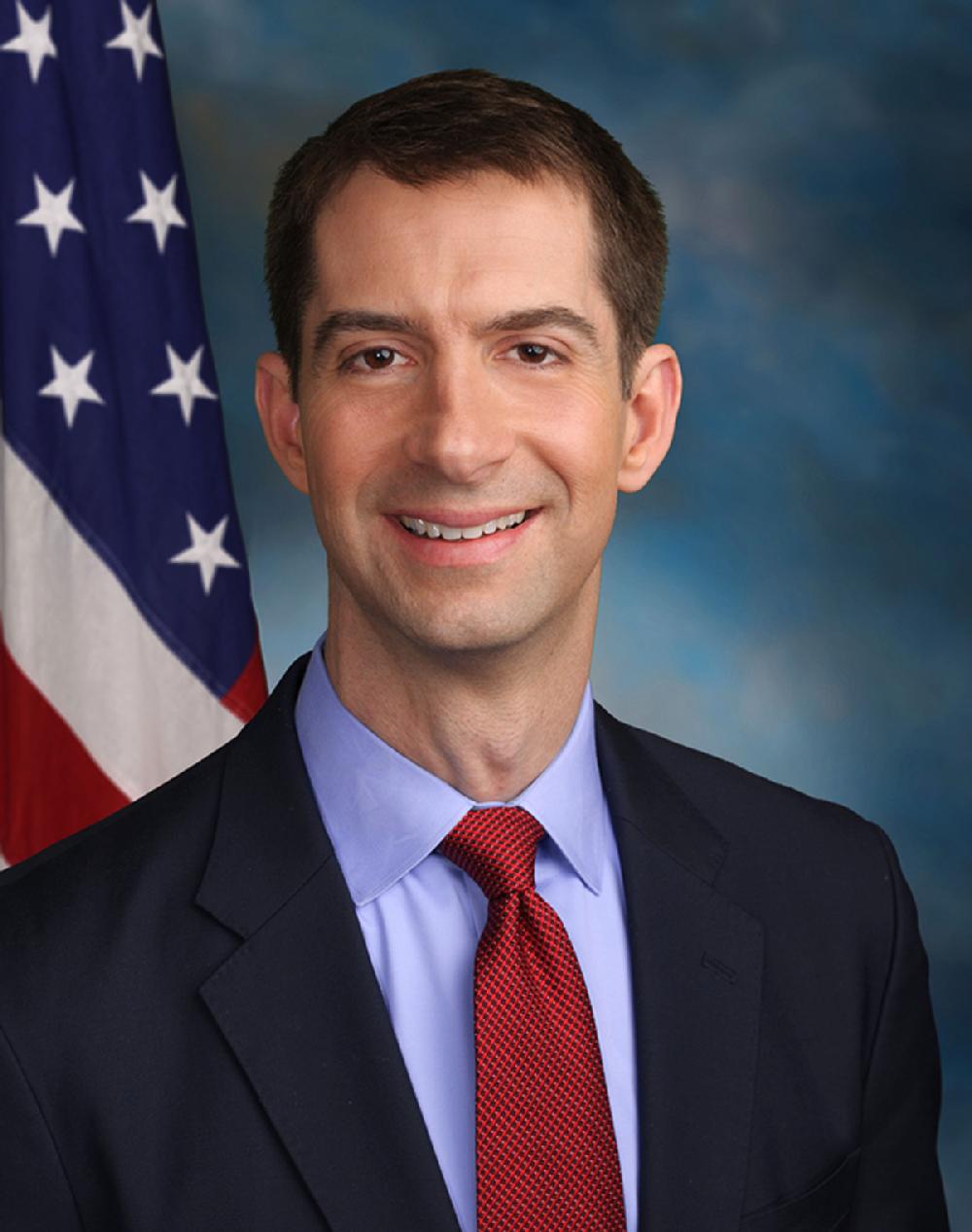
Even traditionally aligned figures such as Tom Cotton have signaled unease at moments of executive disruption, particularly in intelligence and foreign policy coordination.
Cotton’s positioning reflects a subtle but important trend: even strong ideological allies are beginning to separate policy agreement from procedural confidence in execution.
This distinction is critical. It suggests the divide inside the GOP is no longer ideological; it is managerial. The Strategic Reality: A Party Operating Without Unified Timing. The core issue inside the Republican Party is no longer disagreement over goals. There is disagreement over timing, sequencing, and authority.
- The White House operates on the momentum of rapid politics. The Senate operates under procedural constraints.
- The movement operates on loyalty signaling; in these systems, aligning Republican governance appears unified. When they diverge, the result is visible fragmentation.
The Road Ahead for Senate GOP Stability
The durability of Republican control in the Senate now depends less on ideology and more on coordination discipline. If communication between the White House and Senate leadership stabilizes, the party can convert policy priorities into legislative outcomes.
If not, the GOP risks entering the next electoral cycle with a persistent internal contradiction: a movement-driven presidency paired with an institutionally constrained Senate unable to consistently translate executive demands into law.
What is unfolding is not a temporary dispute. It is a structural recalibration of Republican governance under pressure, where loyalty, procedure, and electoral survival are increasingly pulling in different directions.